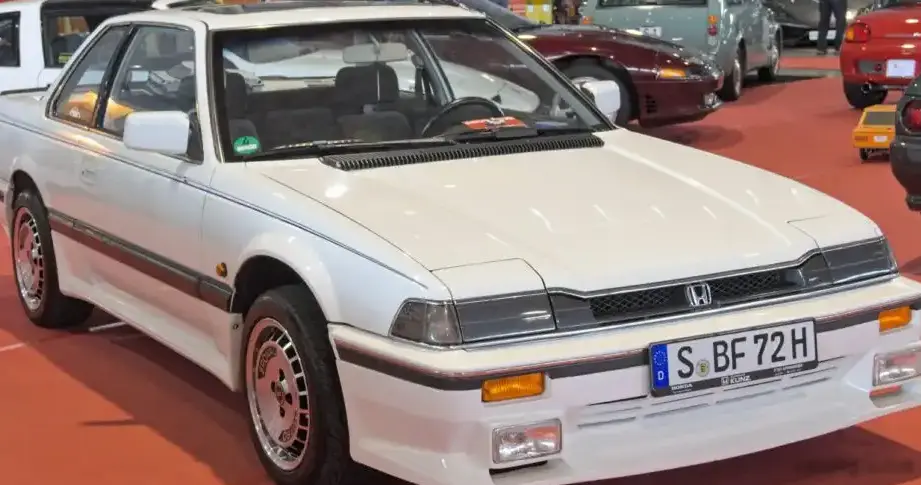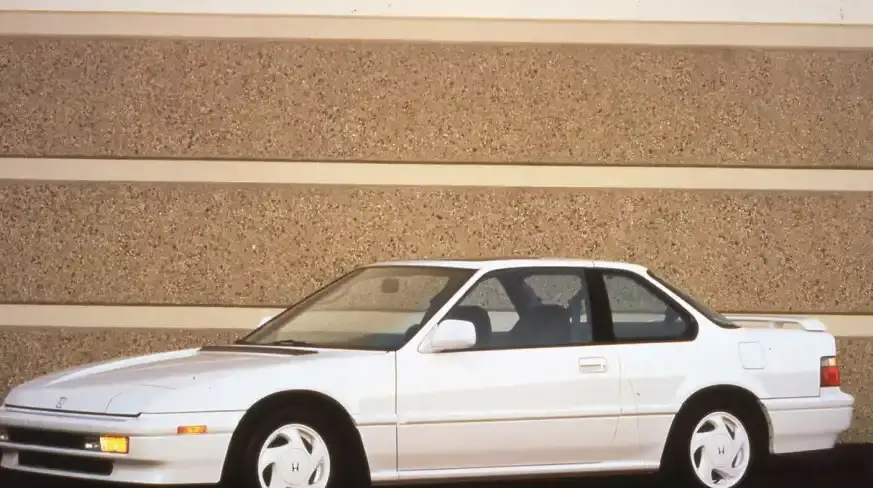
The Honda Prelude III (BA), specifically the 2.0 i EX 16V (BA2) variant produced between 1986 and 1987, represents a significant evolution in Honda’s personal luxury coupe lineage. Falling within the third generation of the Prelude (BA chassis), this model aimed to blend sporty handling with a more refined and comfortable driving experience than its predecessors. The BA series, introduced in 1985, moved the Prelude further upmarket, targeting buyers seeking a stylish and technologically advanced coupe. The 2.0 i EX 16V occupied a position as a well-equipped, mid-range offering within the BA lineup, bridging the gap between the base models and the more performance-focused Si variants.
Technical Specifications
| Brand | Honda |
| Model | Prelude |
| Generation | Prelude III (BA) |
| Type | 2.0 i EX 16V (BA2) (137 Hp) |
| Start of Production | 1986 |
| End of Production | 1987 |
| Powertrain Architecture | Internal Combustion Engine |
| Body Type | Coupe |
| Fuel Type | Petrol (Gasoline) |
| Engine Power | 137 Hp |
| Engine Aspiration | Naturally Aspirated |
Powertrain & Engine Architecture
The heart of the 2.0 i EX 16V is Honda’s F20A SOHC 16-valve inline-four cylinder engine. Displacing 1955cc (1.9 liters), this engine produced 137 horsepower at 6000 rpm and 133 lb-ft of torque at 4800 rpm. The “16V” designation refers to the four valves per cylinder, a feature that contributed to improved breathing and higher-end power compared to earlier two-valve designs. The F20A utilized a single overhead camshaft (SOHC) design, which offered a balance between simplicity and performance. Fuel delivery was managed by Honda’s Programmed Fuel Injection (PGM-FI) system, a sophisticated electronic fuel injection system for its time. This system optimized fuel mixture based on engine load, temperature, and other parameters, contributing to both performance and fuel efficiency. The engine was typically paired with a four-speed automatic transmission, although a five-speed manual was also available. The automatic transmission, while providing convenience, was geared more towards comfortable cruising than aggressive acceleration.
Driving Characteristics
The 2.0 i EX 16V offered a comfortable and refined driving experience. The automatic transmission, while not as engaging as the manual, provided smooth shifts and made the Prelude easy to drive in city traffic. Acceleration was adequate for the time, with 0-60 mph times estimated around 9-10 seconds. The engine delivered its power smoothly throughout the rev range, making it a pleasant cruiser. Compared to the more powerful and sport-tuned Si models, the 2.0 i EX 16V prioritized comfort and ease of use. The Si variants, with their higher compression ratios and more aggressive camshaft profiles, offered significantly more performance but at the expense of some refinement. The automatic transmission also contributed to a slightly lower fuel economy compared to the manual transmission equipped models. The gear ratios in the automatic were optimized for fuel efficiency and smooth cruising, rather than maximizing acceleration.
Equipment & Trim Levels
The “EX” designation indicated a higher level of equipment compared to the base Prelude models. Standard features typically included power windows, power locks, power mirrors, and an upgraded sound system. The interior featured comfortable cloth upholstery, and the dashboard layout was designed with ergonomics in mind. Optional extras available for the 2.0 i EX 16V included a sunroof, cruise control, and upgraded audio systems. The interior trim was generally more upscale than the base models, with attention paid to detail and material quality. The instrument cluster featured a comprehensive array of gauges, including a speedometer, tachometer, fuel gauge, and temperature gauge. Air conditioning was a common option, and many examples were equipped with it.
Chassis & Braking
The Prelude III (BA) utilized a MacPherson strut front suspension and a fully independent double wishbone rear suspension. This suspension setup provided a good balance between ride comfort and handling. The 2.0 i EX 16V typically featured a smaller diameter stabilizer bar compared to the Si models, resulting in slightly less body roll during cornering. Braking duties were handled by disc brakes on the front wheels and drum brakes on the rear wheels. While adequate for normal driving conditions, the rear drum brakes were a point of criticism compared to the all-disc brake setup found on the Si models. The chassis was relatively lightweight, contributing to the Prelude’s nimble handling characteristics. Power steering was standard, making the car easy to maneuver at low speeds.
Market Reception & Comparison
The 2.0 i EX 16V was generally well-received by automotive critics. It was praised for its comfortable ride, refined interior, and smooth engine. However, some critics noted that the automatic transmission detracted from the overall driving experience, and the performance was not as exhilarating as the Si models. Compared to other coupes in its class, such as the Toyota Celica and Nissan Pulsar NX, the Prelude offered a more sophisticated and upscale experience. Fuel economy was considered good for the time, averaging around 22-26 mpg in combined driving. Reliability was also a strong point, with the Honda F20A engine being known for its durability. The 2.0 i EX 16V appealed to buyers who prioritized comfort and convenience over outright performance.
Legacy
The Honda Prelude III (BA) 2.0 i EX 16V remains a popular choice among classic car enthusiasts. The F20A engine is known for its reliability and relatively simple maintenance requirements. Parts availability is generally good, although some trim-specific components may be difficult to find. The automatic transmission, while not as desirable as the manual, is generally reliable if properly maintained. Today, these Preludes are often sought after for their classic styling, comfortable ride, and Honda’s reputation for build quality. Well-maintained examples can command a reasonable price in the used car market, and they continue to provide a rewarding driving experience for those who appreciate a classic Japanese coupe. The BA generation Prelude helped solidify Honda’s reputation for building reliable, technologically advanced, and stylish automobiles.