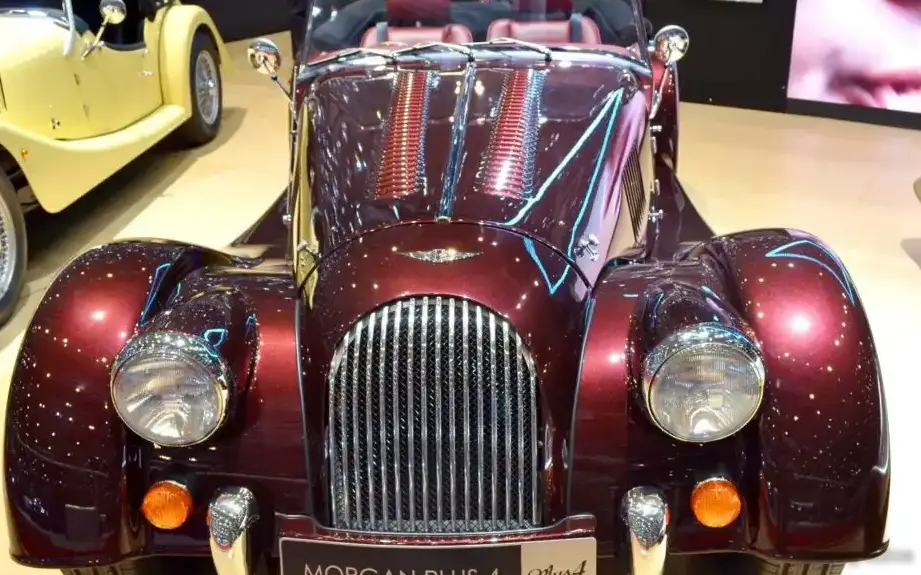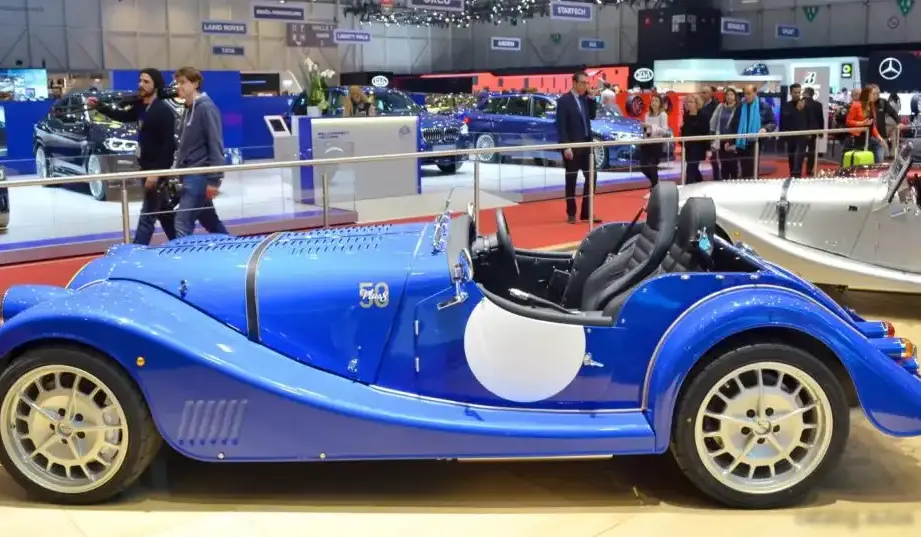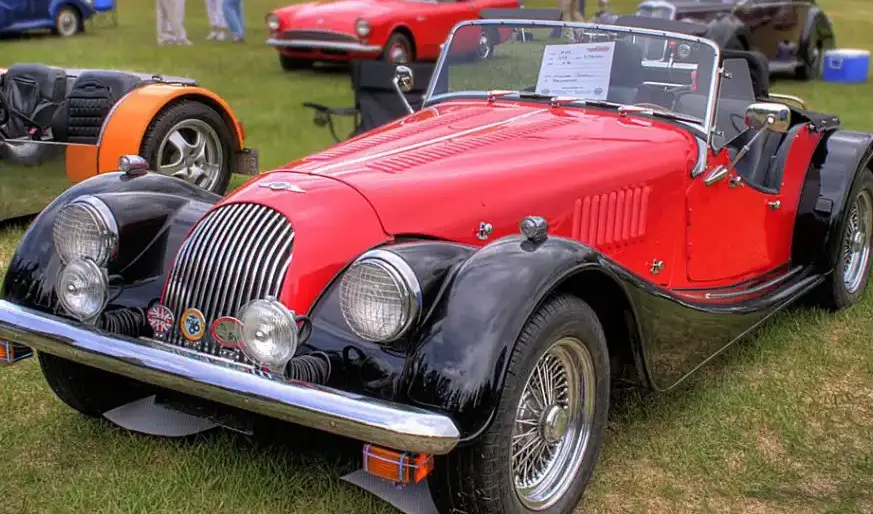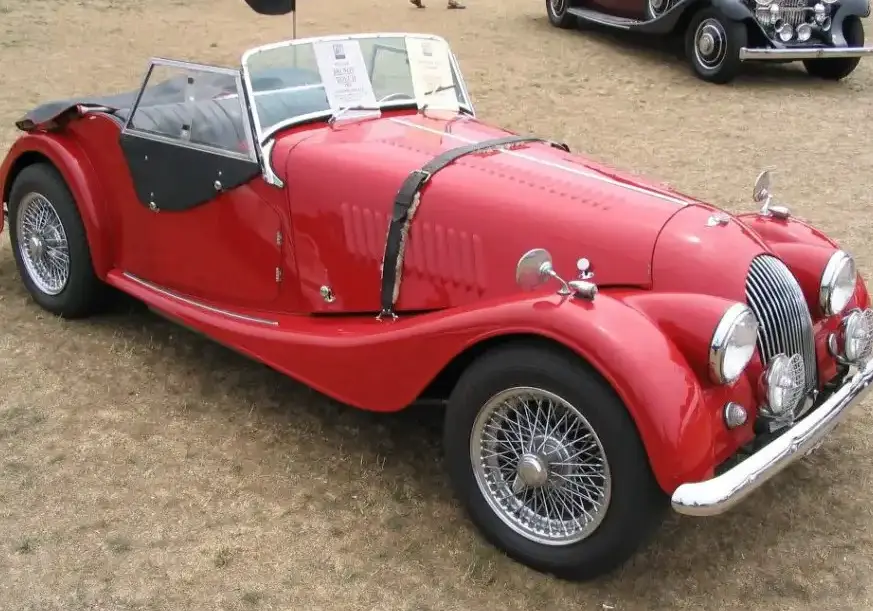
The Morgan Plus 4 1.8i, produced between 1993 and 2000, represents a significant evolution of the long-running Plus 4 model line. It marked a shift towards more modern mechanicals while retaining the classic Morgan aesthetic and driving experience. This variant, powered by a fuel-injected 1.8-liter engine producing 130 horsepower, aimed to balance traditional British sports car charm with improved reliability and performance compared to earlier carbureted versions. It occupied a middle ground within the Plus 4 range during its production, offering a step up in refinement and power over the base models, but remaining more accessible than the later, more potent engine options. The Plus 4, throughout its history, has been a cornerstone of the Morgan Motor Company, embodying their commitment to hand-built, coachbuilt sports cars.
Technical Specifications
| Brand | Morgan |
| Model | Plus 4 |
| Generation | Plus 4 |
| Type (Engine) | 1.8 i (130 Hp) |
| Start of production | 1993 |
| End of production | 2000 |
| Powertrain Architecture | Internal Combustion engine |
| Body type | Cabriolet |
| Fuel Type | Petrol (Gasoline) |
| Power | 130 Hp |
| Engine aspiration | Naturally aspirated engine |
Powertrain & Engine Architecture
The heart of the Plus 4 1.8i is the Zetec-derived 1.8-liter inline-four cylinder engine. This engine, sourced from Ford, was a significant upgrade from the older Ford Kent engines previously used in the Plus 4. The “i” designation signifies the use of electronic fuel injection, specifically a Bosch Motronic system. This system provided more precise fuel metering, resulting in improved fuel economy, reduced emissions, and enhanced throttle response compared to the older carbureted setups. The engine features a single overhead camshaft (SOHC) design with two valves per cylinder. While not a particularly high-revving engine, it delivers a respectable 130 horsepower at approximately 5500 rpm and around 125 lb-ft of torque.
The engine was typically paired with a five-speed manual transmission, although a four-speed automatic transmission was also available, albeit less common. The automatic transmission, while offering convenience, did noticeably impact the car’s acceleration and overall driving experience. The engine’s relatively modest torque output meant that the automatic required frequent downshifts to maintain momentum, particularly on hills. The manual transmission, on the other hand, allowed drivers to fully exploit the engine’s powerband. The drivetrain layout is rear-wheel drive, a traditional configuration for Morgan sports cars.
Driving Characteristics
The Plus 4 1.8i offers a distinctly analog driving experience. The car is lightweight, tipping the scales at around 2,200 pounds, which contributes to its nimble handling. The suspension, consisting of traditional wishbones and leaf springs, provides a comfortable ride on smooth surfaces but can become unsettled on rough roads. The steering is unassisted, requiring a good amount of effort, but it provides excellent feedback and a direct connection to the road.
With 130 horsepower, the Plus 4 1.8i is not a particularly fast car by modern standards. Acceleration from 0 to 60 mph takes around 8-9 seconds. However, the car feels quicker than the numbers suggest due to its light weight and responsive engine. The five-speed manual transmission allows for precise gear selection, and the engine is happy to rev to its redline. The automatic transmission, while convenient, diminishes the sense of driver involvement and results in slower acceleration times. The car’s handling is predictable and balanced, making it enjoyable to drive on winding roads. It’s a car that rewards smooth driving and careful cornering.
Equipment & Trim Levels
The Morgan Plus 4 1.8i was relatively sparsely equipped by modern standards, reflecting its focus on driving experience rather than luxury. Standard features typically included leather upholstery, wood trim, and a full set of gauges. The dashboard layout is classic Morgan, with a traditional instrument panel and a centrally mounted gear lever.
Optional extras included wire wheels (a popular choice), a tonneau cover, side screens, and a heated windscreen. Interior options included different leather colors and trim materials. The Plus 4 1.8i didn’t have distinct “trim levels” in the same way as mass-produced cars. Instead, buyers could customize their cars with a range of options to suit their preferences. The level of equipment generally reflected the buyer’s budget and desire for comfort and convenience.
Chassis & Braking
The Plus 4 1.8i utilizes a traditional ladder frame chassis, constructed from steel. This chassis design, while relatively heavy, provides a strong and rigid platform for the car. The suspension consists of independent front suspension with wishbones and coil springs, and a live axle rear suspension with leaf springs.
Braking is provided by disc brakes on the front wheels and drum brakes on the rear wheels. While adequate for normal driving, the braking system is not particularly powerful by modern standards. The car’s relatively light weight helps to compensate for the lack of braking performance. Later models sometimes featured upgraded braking systems with ventilated front discs and larger rear drums. Steering is a traditional steering box setup, providing a direct but somewhat heavy feel.
Market Reception & Comparison
The Plus 4 1.8i was generally well-received by automotive critics. It was praised for its classic styling, engaging driving experience, and improved reliability compared to earlier Plus 4 models. However, some critics noted its relatively high price and lack of modern amenities. Compared to other sports cars of the era, the Plus 4 1.8i offered a unique blend of traditional British charm and modern mechanicals.
Compared to the earlier Plus 4 models with carbureted engines, the 1.8i offered improved fuel economy, reduced emissions, and more responsive performance. Compared to the later Plus 4 models with larger engines (such as the 2.0-liter Zetec), the 1.8i offered a more affordable entry point into the Morgan ownership experience. The automatic transmission version was often criticized for detracting from the driving experience, with most enthusiasts preferring the manual gearbox.
Legacy
The Morgan Plus 4 1.8i remains a popular choice among classic car enthusiasts. The Zetec-derived engine is known for its reliability and relatively easy maintenance. Parts availability is generally good, thanks to the engine’s Ford origins. The car’s simple construction and robust mechanicals make it a relatively easy car to maintain and repair.
Today, the Plus 4 1.8i commands a respectable price on the used car market, reflecting its desirability and enduring appeal. Well-maintained examples are highly sought after by collectors and enthusiasts. The car represents a sweet spot in the Plus 4 lineage, offering a balance of classic Morgan character and modern reliability. It continues to provide a unique and rewarding driving experience for those who appreciate the art of traditional British sports car engineering.