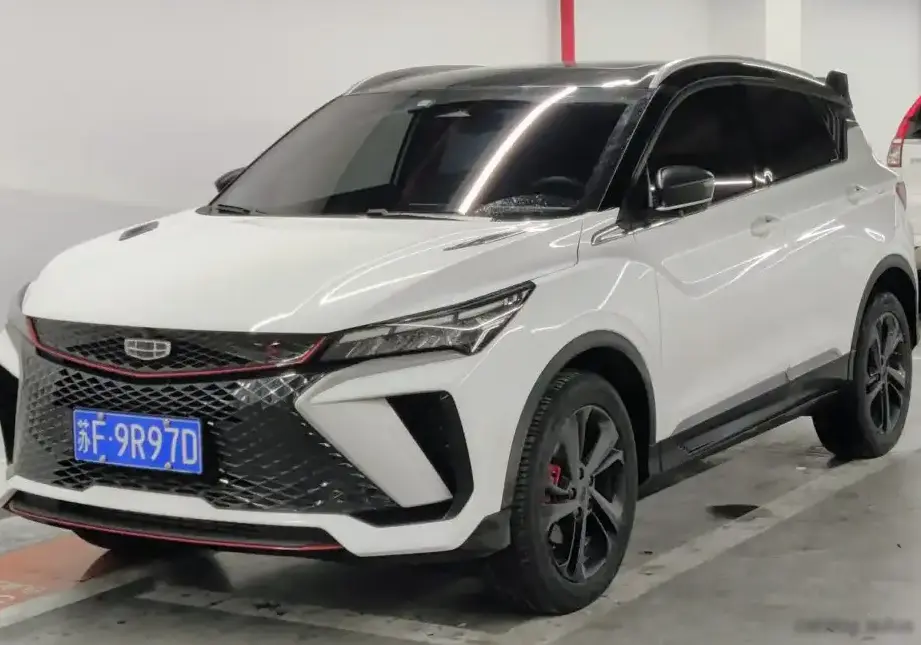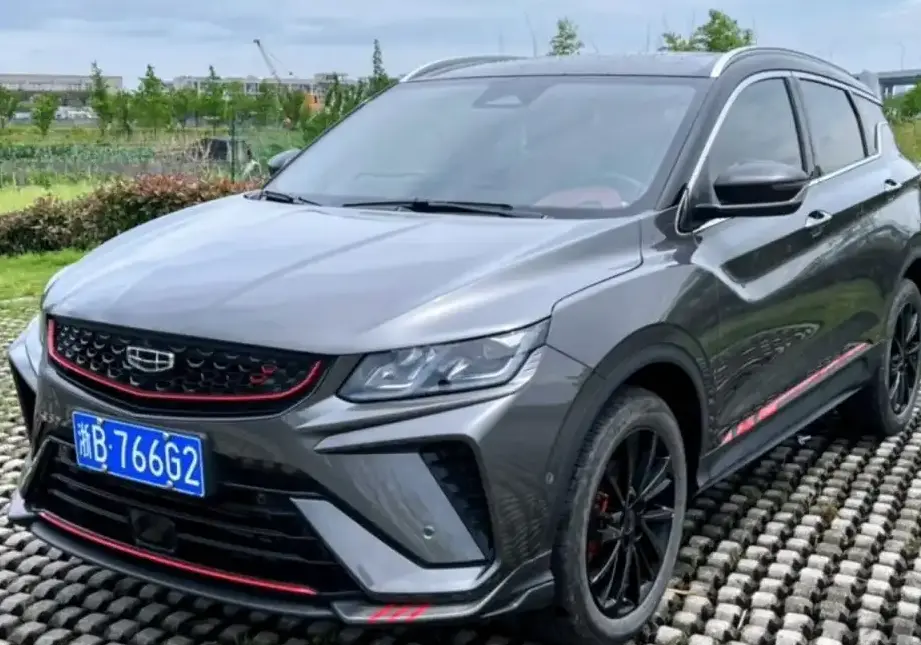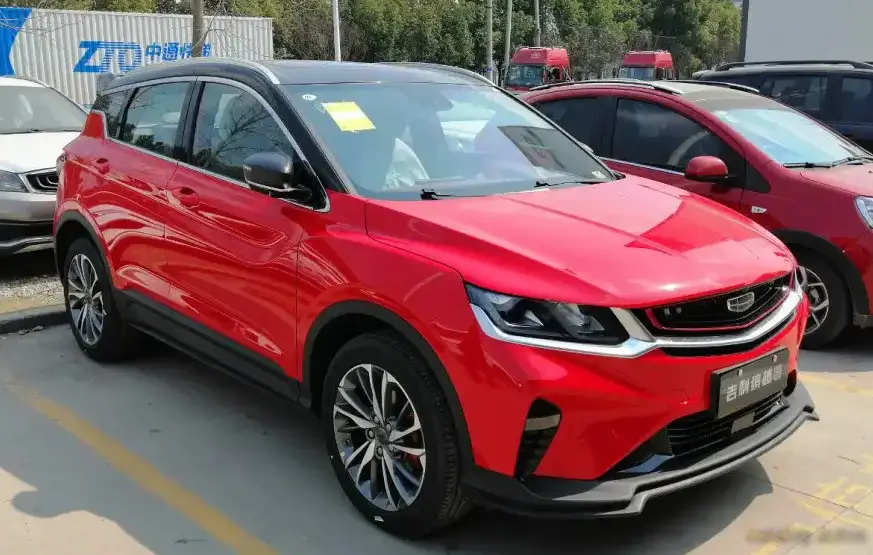
The Geely Binyue 260T Plug-in Hybrid DCTH, produced from May 2019 to July 2021, represents Geely’s entry into the competitive plug-in hybrid SUV market. Positioned as a technologically advanced offering within the Binyue lineup, this variant combined a 1.5-liter turbocharged three-cylinder engine with an electric motor, delivering a combined system output of 258 horsepower. It was primarily aimed at the Chinese domestic market, catering to consumers seeking fuel efficiency and reduced emissions without sacrificing performance or practicality. The Binyue, in general, was Geely’s attempt to appeal to a younger demographic with a modern design and feature-rich interior.
Technical Specifications
| Brand | Geely |
| Model | Binyue |
| Type (Engine) | 260T (258 Hp) Plug-in Hybrid DCTH |
| Start of production | May, 2019 |
| End of production | July, 2021 |
| Powertrain Architecture | PHEV (Plug-in Hybrid Electric Vehicle) |
| Body type | SUV |
| Seats | 5 |
| Doors | 5 |
| Fuel consumption (economy) – combined | 1.4 l/100 km (168 US mpg, 201.8 UK mpg, 71.4 km/l) |
| Fuel Type | Petrol / electricity |
| Emission standard | China VI |
| Weight-to-power ratio | 6 kg/Hp, 166.7 Hp/tonne |
| Weight-to-torque ratio | 3.7 kg/Nm, 268.1 Nm/tonne |
| All-electric range | 62 km (38.53 mi) |
| Electric motor power | 82 Hp |
| Electric motor Torque | 160 Nm (118.01 lb.-ft.) |
| System power | 258 Hp |
| System torque | 415 Nm (306.09 lb.-ft.) |
| Engine Power | 177 Hp @ 5500 rpm |
| Power per litre | 119.8 Hp/l |
| Engine Torque | 255 Nm @ 1500-4000 rpm (188.08 lb.-ft. @ 1500-4000 rpm) |
| Engine displacement | 1477 cm3 (90.13 cu. in.) |
| Number of cylinders | 3 |
| Engine configuration | Inline |
| Number of valves per cylinder | 4 |
| Fuel injection system | Direct injection |
| Engine aspiration | Turbocharger |
| Valvetrain | DVVT |
| Kerb Weight | 1548 kg (3412.76 lbs.) |
| Length | 4330 mm (170.47 in.) |
| Width | 1800 mm (70.87 in.) |
| Height | 1609 mm (63.35 in.) |
| Wheelbase | 2600 mm (102.36 in.) |
| Drive wheel | Front wheel drive |
| Number of gears and type of gearbox | 7 gears, automatic transmission DCTH |
| Front suspension | Independent type McPherson |
| Rear suspension | Torsion |
| Front brakes | Ventilated discs |
| Rear brakes | Disc |
| Assisting systems | ABS (Anti-lock braking system) |
| Steering type | Steering rack and pinion |
| Power steering | Electric Steering |
| Tires size | 215/55 R18 |
| Wheel rims size | 18 |
Powertrain & Engine Architecture
The heart of the Binyue 260T Plug-in Hybrid is a 1.5-liter inline three-cylinder turbocharged engine, designated as a high-output variant. This engine utilizes direct fuel injection and Geely’s DVVT (Dual Variable Valve Timing) technology to optimize combustion efficiency and power delivery. The engine produces 177 horsepower at 5500 rpm and 255 Nm (188 lb-ft) of torque between 1500 and 4000 rpm. Coupled with this is an 82 horsepower electric motor, bringing the total system output to 258 horsepower and 415 Nm (306 lb-ft) of torque. The powertrain employs a 7-speed dual-clutch transmission (DCTH), chosen for its quick shifts and efficiency. The battery pack allows for an all-electric range of 62 kilometers (38.5 miles), enabling short commutes and city driving on electric power alone. The hybrid system prioritizes electric drive when possible, seamlessly transitioning to the gasoline engine when more power is needed or the battery is depleted.
Driving Characteristics
The Binyue 260T Plug-in Hybrid offers a noticeably more spirited driving experience compared to the standard, non-hybrid Binyue models. The combined output of the engine and electric motor provides brisk acceleration, making overtaking and merging onto highways relatively effortless. The DCTH transmission contributes to this responsiveness with its quick and precise gear changes. In electric-only mode, the vehicle operates silently and smoothly, providing a refined urban driving experience. The suspension, tuned for comfort, absorbs bumps and imperfections in the road reasonably well, although it may exhibit some body roll during aggressive cornering. The steering is light and precise, making it easy to maneuver in tight spaces. The hybrid system’s integration is generally seamless, with transitions between electric and gasoline power being almost imperceptible.
Equipment & Trim Levels
The 260T Plug-in Hybrid trim generally came well-equipped, reflecting its position as a premium offering within the Binyue range. Standard features typically included a large touchscreen infotainment system with smartphone connectivity, a digital instrument cluster, automatic climate control, and a suite of safety features such as ABS, electronic stability control, and multiple airbags. Interior upholstery was typically a combination of leatherette and fabric, with options for full leather available. Higher trim levels offered additional features such as a panoramic sunroof, heated front seats, and advanced driver-assistance systems like adaptive cruise control and lane departure warning. Exterior features included alloy wheels, LED headlights, and a distinctive plug-in hybrid badge.
Chassis & Braking
The Binyue 260T Plug-in Hybrid utilizes a front-wheel-drive layout. The front suspension consists of independent McPherson struts, while the rear suspension employs a torsion beam setup. This configuration strikes a balance between ride comfort and handling. The braking system features ventilated discs at the front and solid discs at the rear, providing adequate stopping power for the vehicle’s weight and performance. ABS (Anti-lock Braking System) is standard, enhancing safety during emergency braking situations. The electric steering system provides a light and responsive feel, making it easy to maneuver in various driving conditions.
Market Reception & Comparison
The Geely Binyue 260T Plug-in Hybrid was generally well-received in the Chinese market, praised for its fuel efficiency, performance, and technology. Critics noted its competitive pricing and attractive design. Compared to other plug-in hybrid SUVs in its class, the Binyue offered a compelling combination of features and value. The fuel economy of 1.4 l/100km was a significant selling point, appealing to environmentally conscious consumers. However, some reviewers pointed out that the interior materials, while decent, weren’t quite as premium as those found in some European or Japanese competitors. Compared to the standard Binyue models, the 260T Plug-in Hybrid commanded a higher price but offered a substantial improvement in performance and fuel efficiency.
Legacy
The Geely Binyue 260T Plug-in Hybrid played a role in establishing Geely as a significant player in the Chinese plug-in hybrid market. While production ended in 2021, the model helped to showcase Geely’s technological capabilities and commitment to electrification. On the used car market, these models are generally sought after for their fuel efficiency and relatively low running costs. The 1.5-liter turbocharged engine and DCTH transmission have proven to be reasonably reliable, although regular maintenance is crucial to ensure long-term durability. The hybrid system’s battery pack is expected to have a lifespan of several years, but its eventual replacement will represent a significant expense. Overall, the Binyue 260T Plug-in Hybrid remains a viable option for buyers seeking an affordable and efficient plug-in hybrid SUV.