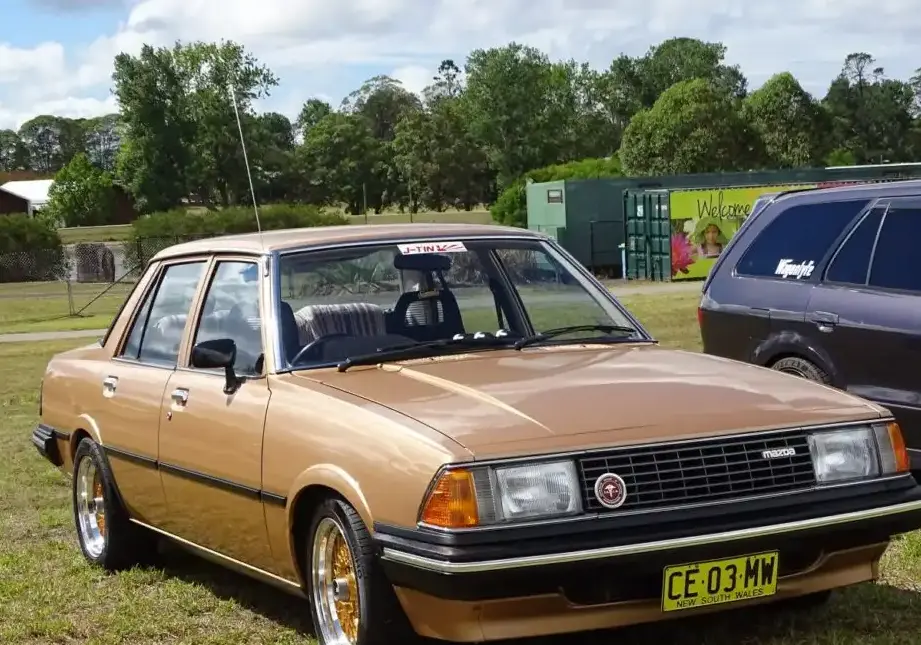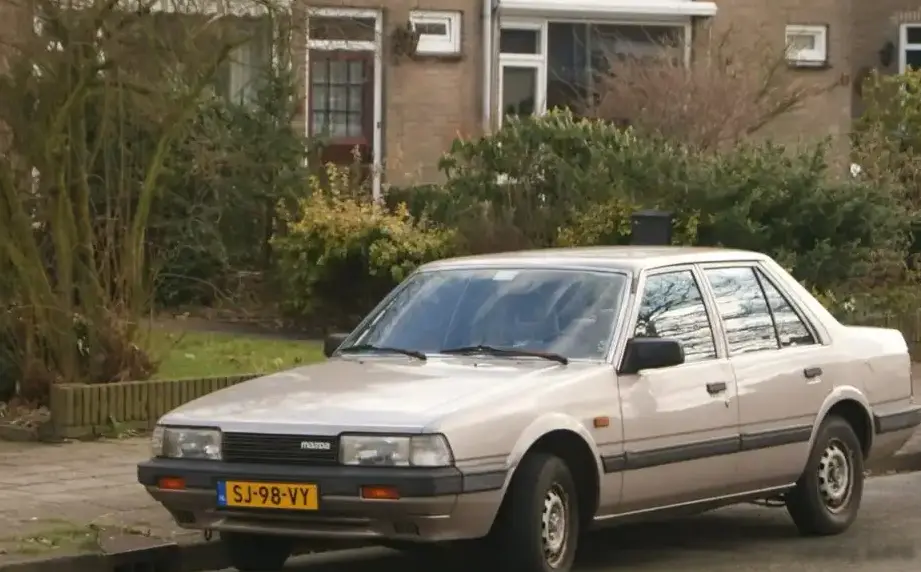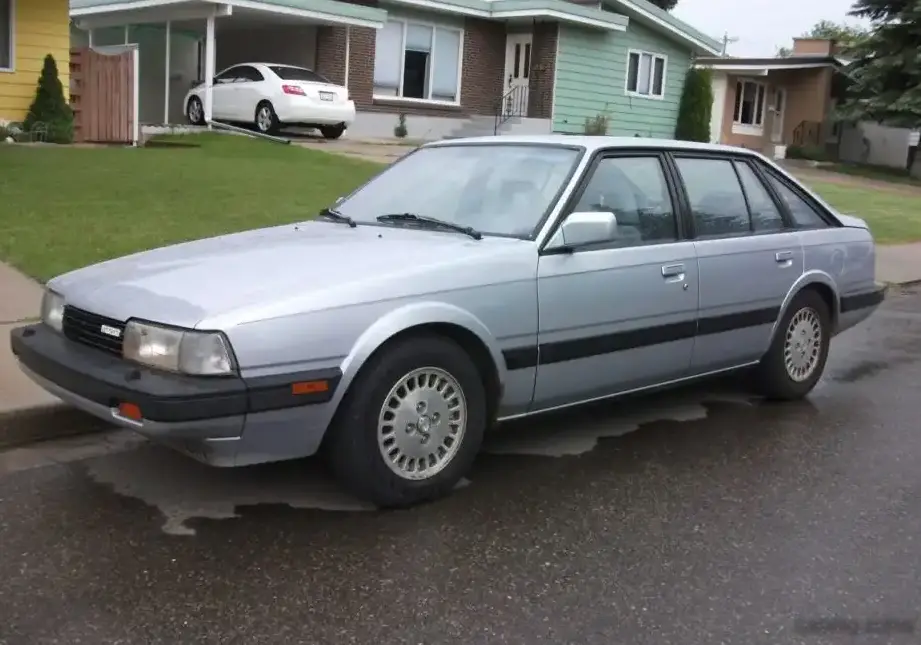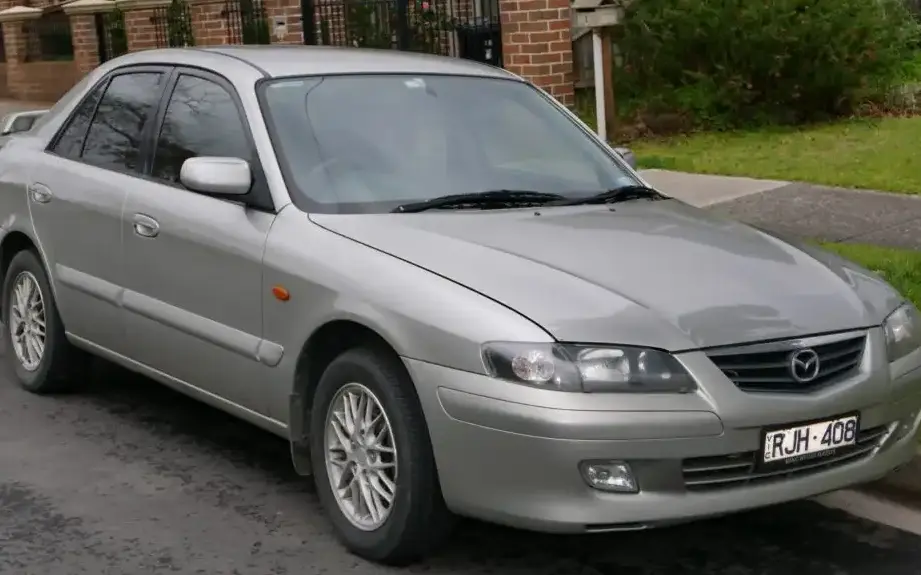
The Mazda 626 V (GF), produced between 1998 and 2002, represented the final generation of Mazda’s long-running 626 family. Positioned as a mid-size sedan, the GF series aimed to offer a blend of comfort, practicality, and value in a competitive segment. The 2.0-liter (136 hp) automatic variant occupied a central position within the 626 V lineup, serving as a popular choice for buyers prioritizing ease of driving and fuel efficiency over outright performance. It was a key model for Mazda in North America and Europe, offering a more affordable alternative to Japanese and European rivals.
Technical Specifications
| Brand | Mazda |
| Model | 626 |
| Generation | 626 V (GF) |
| Type (Engine) | 2.0 (136 Hp) Automatic |
| Start of production | 1998 |
| End of production | 2002 |
| Powertrain Architecture | Internal Combustion engine |
| Body type | Sedan |
| Seats | 5 |
| Doors | 4 |
| Fuel consumption (urban) | 12.1 l/100 km (19.4 US mpg) |
| Fuel consumption (extra urban) | 7.1 l/100 km (33.1 US mpg) |
| Fuel Type | Petrol (Gasoline) |
| Acceleration 0 – 100 km/h | 9.6 sec |
| Acceleration 0 – 62 mph | 9.6 sec |
| Acceleration 0 – 60 mph | 9.1 sec |
| Maximum speed | 195 km/h (121.17 mph) |
| Weight-to-power ratio | 9.2 kg/Hp |
| Weight-to-torque ratio | 6.9 kg/Nm |
| Power | 136 Hp @ 5800 rpm |
| Torque | 181 Nm @ 4500 rpm (133.5 lb.-ft. @ 4500 rpm) |
| Engine layout | Front, Transverse |
| Engine Model/Code | FS2C |
| Engine displacement | 1991 cm3 (121.5 cu. in.) |
| Number of cylinders | 4 |
| Engine configuration | Inline |
| Cylinder Bore | 83 mm (3.27 in.) |
| Piston Stroke | 92 mm (3.62 in.) |
| Compression ratio | 9.7:1 |
| Number of valves per cylinder | 4 |
| Fuel injection system | Multi-port manifold injection |
| Engine aspiration | Naturally aspirated engine |
| Valvetrain | DOHC |
| Engine oil capacity | 3.5 l (3.7 US qt | 3.08 UK qt) |
| Coolant capacity | 7.5 l (7.93 US qt | 6.6 UK qt) |
| Kerb Weight | 1250 kg (2755.78 lbs.) |
| Max. weight | 1685 kg (3714.79 lbs.) |
| Max load | 435 kg (959.01 lbs.) |
| Trunk (boot) space – minimum | 502 l (17.73 cu. ft.) |
| Fuel tank capacity | 64 l (16.91 US gal | 14.08 UK gal) |
| Length | 4574 mm (180.08 in.) |
| Width | 1710 mm (67.32 in.) |
| Height | 1430 mm (56.3 in.) |
| Wheelbase | 2610 mm (102.76 in.) |
| Front track | 1480 mm (58.27 in.) |
| Rear (Back) track | 1470 mm (57.87 in.) |
| Drivetrain Architecture | Front wheel drive |
| Number of gears and type of gearbox | 4 gears, automatic transmission |
| Front suspension | Spring Strut |
| Rear suspension | Wishbone |
| Front brakes | Ventilated discs |
| Rear brakes | Disc |
| Assisting systems | ABS (Anti-lock braking system) |
| Steering type | Steering rack and pinion |
| Power steering | Hydraulic Steering |
| Tires size | 195/60 R15 |
| Wheel rims size | 15 |
Powertrain & Engine Architecture
The heart of the 626 V 2.0 Automatic was the FS2C engine, a 1.991-liter inline-four cylinder gasoline engine. This engine utilized a multi-port fuel injection system, delivering fuel directly to each intake port for improved combustion efficiency. The engine featured a double overhead camshaft (DOHC) valvetrain, operating four valves per cylinder, which contributed to its respectable power output for its displacement. The FS2C engine was known for its relatively smooth operation and decent reliability. Paired with this engine was a four-speed automatic transmission, designed to provide comfortable and convenient shifting. This transmission wasn’t particularly advanced by contemporary standards, but it was durable and well-suited to the engine’s torque characteristics.
Driving Characteristics
The 136 horsepower and 181 Nm (133.5 lb-ft) of torque delivered by the 2.0-liter engine and automatic transmission combination resulted in a comfortable, if not particularly sporty, driving experience. Acceleration from 0-60 mph took approximately 9.1 seconds, and top speed was around 121 mph. The automatic transmission, while smooth, did contribute to some power loss compared to the available five-speed manual. Gear ratios were tuned for fuel economy and relaxed cruising, rather than aggressive acceleration. Compared to the higher-output engines available in the 626 V range, such as the V6 options, this 2.0L automatic felt noticeably less powerful, especially when fully loaded or tackling steep inclines. However, it offered a more refined and less demanding driving experience for everyday use.
Equipment & Trim Levels
The 2.0-liter automatic variant of the Mazda 626 V typically came equipped with a reasonable level of standard features. These generally included power windows and locks, air conditioning, an AM/FM stereo, and basic cloth upholstery. Higher trim levels, often denoted by designations like “LX” or “SE”, added features such as alloy wheels, a sunroof, upgraded audio systems, and cruise control. Interior appointments were generally functional and well-built, though not particularly luxurious. Optional extras could include leather upholstery, a CD changer, and upgraded sound systems.
Chassis & Braking
The 626 V utilized a front-engine, front-wheel-drive layout. Suspension consisted of a MacPherson strut setup at the front and a multi-link wishbone arrangement at the rear, providing a comfortable ride quality. Braking was handled by ventilated discs at the front and solid discs at the rear, with ABS (Anti-lock Braking System) included as standard equipment. The chassis was designed to balance ride comfort with reasonable handling characteristics. Stabilizer bars were fitted to both the front and rear axles to reduce body roll during cornering.
Market Reception & Comparison
The Mazda 626 V 2.0 Automatic was generally well-received by automotive critics as a practical and reliable mid-size sedan. It was praised for its comfortable ride, spacious interior, and reasonable fuel economy. However, some reviewers noted that the engine lacked the punch of some competitors, and the automatic transmission could feel somewhat dated. Compared to other trims in the 626 V lineup, the 2.0-liter automatic offered a more affordable entry point, sacrificing some performance for improved fuel efficiency and ease of use. It competed directly with models like the Honda Accord, Toyota Camry, and Nissan Altima in the mid-size segment.
Legacy
The Mazda 626 V 2.0 Automatic has proven to be a relatively durable and reliable vehicle in the used car market. The FS2C engine, while not known for exceptional performance, is generally considered to be robust and long-lasting with proper maintenance. The automatic transmission, though older technology, has also demonstrated good reliability. Today, these vehicles are often found with relatively high mileage, but many remain on the road, a testament to their build quality and mechanical soundness. Parts availability can be a concern, as the 626 has been out of production for over two decades, but many common components are still obtainable through aftermarket suppliers.