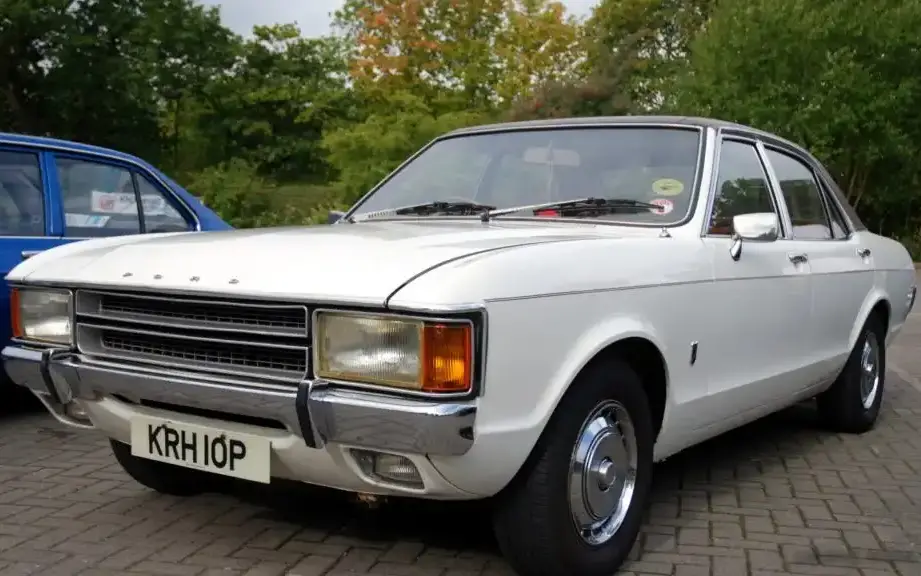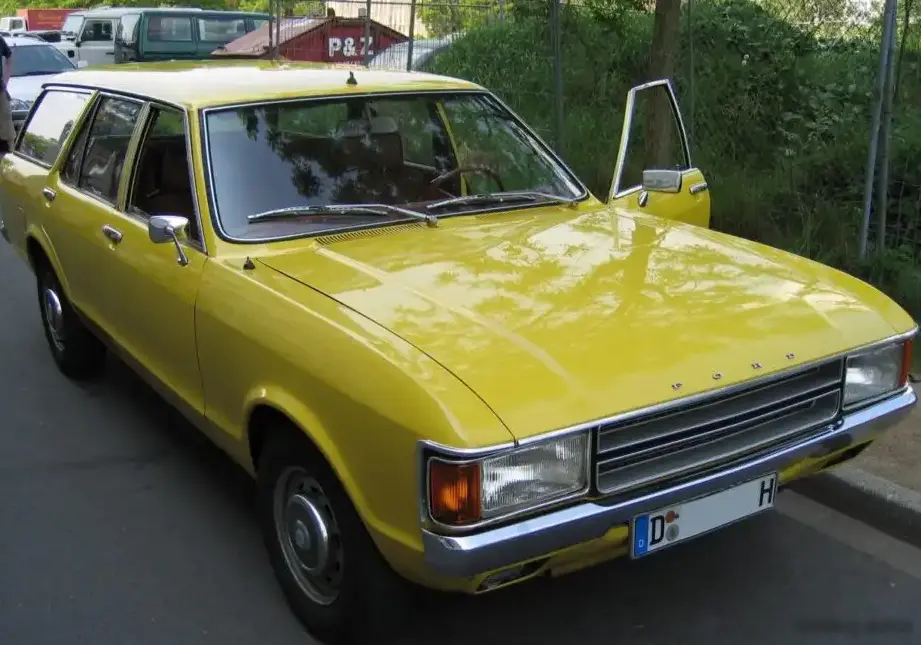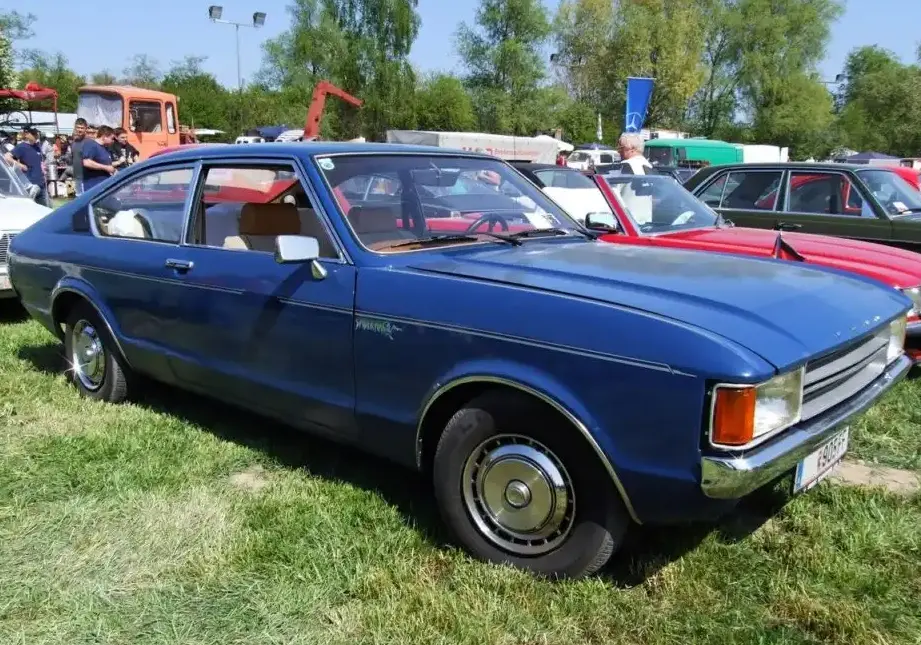
The Ford Consul Coupe (GGCL) 2300, produced between 1972 and 1976, represents a relatively short-lived but significant chapter in Ford of Britain’s history. Positioned as a stylish, comfortable coupe, it aimed to offer a more refined alternative to the standard Ford saloon offerings of the time. The GGCL designation refers to the specific coupe body style within the Consul range. This 2300 variant, producing 107 horsepower, occupied a mid-range position within the Consul Coupe lineup, offering a balance between performance and affordability. It was a product of a period where Ford was attempting to broaden its appeal beyond purely practical family cars, and the Consul Coupe was intended to capture a segment of the market seeking a touch of elegance and sporting character.
Technical Specifications
| Brand | Ford |
| Model | Consul |
| Generation | Consul Coupe (GGCL) |
| Type (Engine) | 2300 (107 Hp) |
| Start of production | 1972 |
| End of production | 1976 |
| Powertrain Architecture | Internal Combustion Engine |
| Body type | Coupe |
| Fuel Type | Petrol (Gasoline) |
| Power | 107 Hp |
| Engine Aspiration | Naturally Aspirated |
Powertrain & Engine Architecture
The heart of the Consul Coupe 2300 was the Essex V6 engine, specifically the 2294cc version. This engine, designated as the ‘Essex V6’, was a 60-degree V6, notable for its relatively compact design and smooth operation. The 107 horsepower output was achieved through a single downdraft carburetor, a common setup for the era. The engine featured a single overhead camshaft operating pushrod-actuated valves. While not a particularly high-revving engine, it delivered a respectable amount of torque, making it well-suited to comfortable cruising. The engine block was cast iron, contributing to its durability, while the cylinder heads were aluminum, helping to reduce weight. The transmission paired with this engine was typically a three-speed automatic, although a four-speed manual gearbox was also available, albeit less common. The automatic transmission, a Ford-sourced unit, was designed for smooth shifts and ease of use, prioritizing comfort over outright performance. The drivetrain was rear-wheel drive, standard for Ford coupes of this period.
Driving Characteristics
The Consul Coupe 2300 with the automatic transmission offered a relaxed and comfortable driving experience. Acceleration was adequate for the time, with a 0-60 mph time estimated around 11-12 seconds. However, it wasn’t designed to be a sports car. The automatic transmission, while smooth, did detract from the engine’s potential, resulting in a slightly lethargic feel compared to the manual version. The gear ratios were optimized for cruising, making it a pleasant vehicle for long journeys. The steering was power-assisted, contributing to ease of maneuverability, although it lacked the precision found in some contemporary European coupes. The suspension, consisting of independent front suspension with coil springs and a live axle rear suspension with leaf springs, provided a reasonably comfortable ride, absorbing bumps and imperfections in the road surface effectively. The overall driving experience was geared towards providing a refined and effortless journey, rather than engaging driving dynamics.
Equipment & Trim Levels
The Consul Coupe 2300 typically came equipped with a reasonable level of standard features for the early 1970s. These included cloth upholstery, a wood-trimmed dashboard, and a basic AM radio. Power steering was a common feature, enhancing ease of driving. Optional extras included a vinyl roof, upgraded audio systems, and more luxurious interior trim options. The interior design was generally conservative, reflecting the British automotive aesthetic of the period. The dashboard layout was functional, with clearly marked gauges and controls. The seats were designed for comfort, providing adequate support for long journeys. The trim level of the 2300 model sat comfortably in the middle of the Consul Coupe range. It offered more features than the base models but lacked the more luxurious appointments found in the top-of-the-line versions.
Chassis & Braking
The Consul Coupe 2300 utilized a body-on-frame construction, a common practice for Ford at the time. This contributed to the car’s robustness but also added to its weight. The front suspension featured independent coil springs and wishbones, providing a degree of ride comfort and handling stability. The rear suspension employed a live axle with leaf springs, a more traditional setup that prioritized load-carrying capacity. The braking system consisted of disc brakes on the front wheels and drum brakes on the rear wheels. While adequate for the car’s weight and performance, the braking system wasn’t particularly sophisticated by modern standards. Power steering was standard, making the car easier to maneuver, especially at low speeds. The chassis was designed to provide a balance between ride comfort and handling stability, prioritizing a smooth and comfortable driving experience.
Market Reception & Comparison
The Ford Consul Coupe 2300 received mixed reviews from automotive critics. It was generally praised for its stylish design, comfortable interior, and smooth-running V6 engine. However, it was also criticized for its relatively modest performance, especially with the automatic transmission, and its somewhat dated technology. Compared to other coupes on the market at the time, such as the Vauxhall Firenza and the Triumph Stag, the Consul Coupe offered a more practical and affordable alternative. The Firenza offered more aggressive styling and a wider range of engine options, while the Stag was a more luxurious and sophisticated grand tourer. In terms of fuel economy, the Consul Coupe 2300 was fairly typical for a V6-powered car of the era, achieving around 18-22 mpg. Reliability was generally good, although the Essex V6 engine was known to be prone to overheating if not properly maintained.
Legacy
The Ford Consul Coupe 2300, while not a massive sales success, holds a nostalgic place in the hearts of many British car enthusiasts. The Essex V6 engine, despite its quirks, is regarded as a robust and reliable powerplant when properly maintained. Today, surviving examples of the Consul Coupe 2300 are becoming increasingly sought after by collectors and classic car enthusiasts. The automatic transmission variant, while not the most desirable from a performance perspective, remains a popular choice for those seeking a comfortable and easy-to-drive classic coupe. Parts availability can be a challenge, but a dedicated network of classic Ford parts suppliers exists to support owners. The Consul Coupe 2300 represents a unique chapter in Ford’s history, showcasing the company’s attempt to broaden its appeal beyond purely practical family cars and offer a touch of style and sophistication to its British customers. Its enduring appeal lies in its classic design, comfortable driving experience, and the characterful Essex V6 engine.