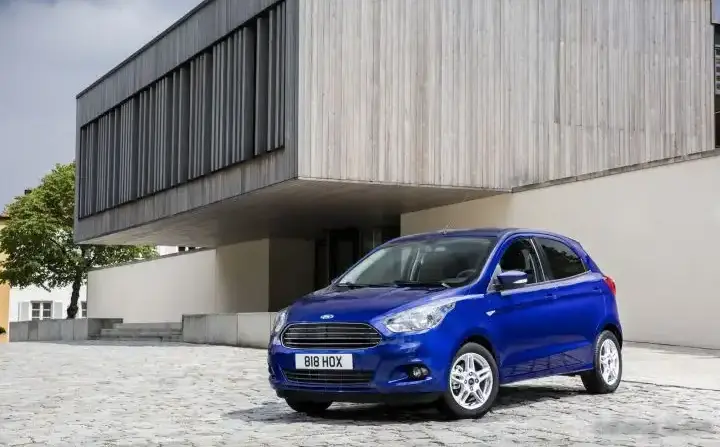
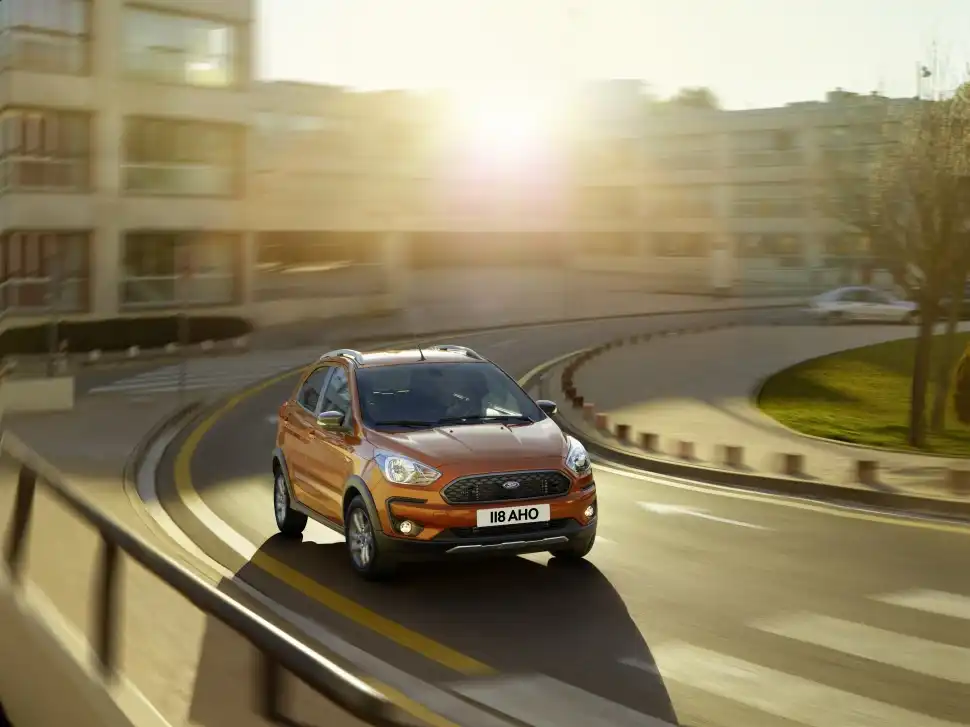
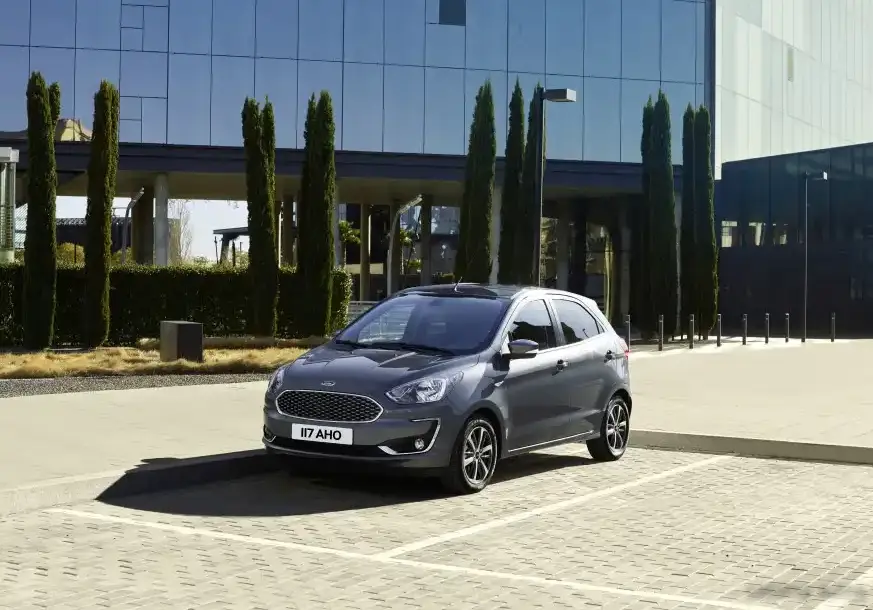
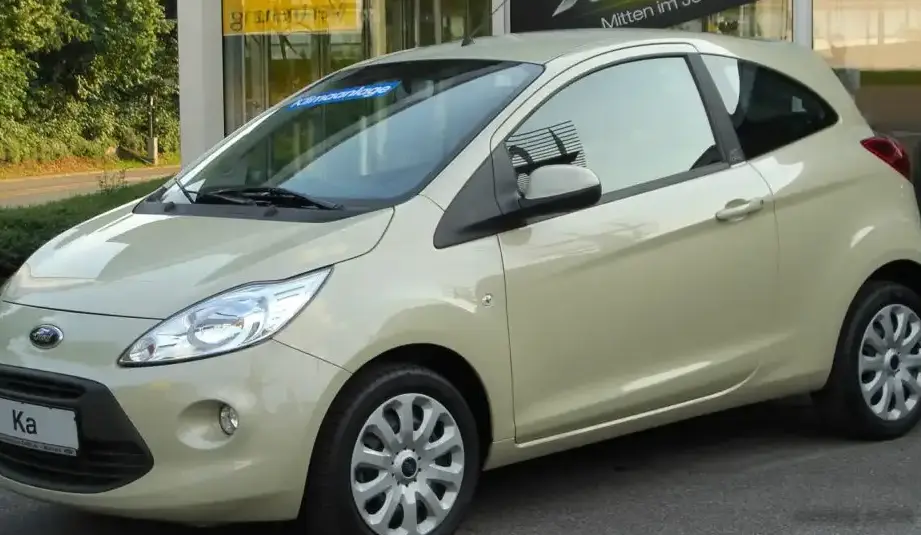
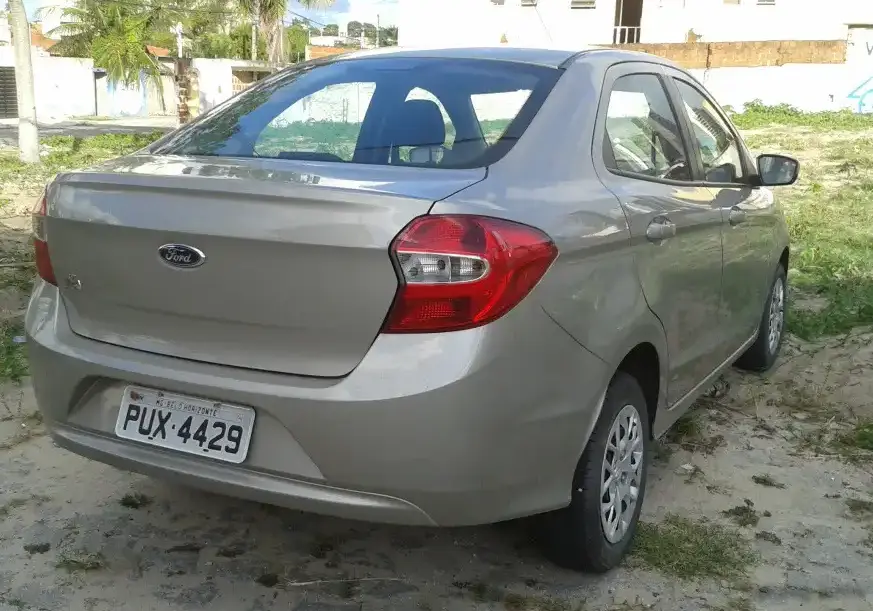
The Ford KA III, specifically the 1.0i variant producing 80 horsepower, represents an entry-level offering within the third generation of Ford’s globally recognized city car. Introduced with the 2019 facelift, this model was marketed primarily in Europe and select international markets between 2019 and 2021. Positioned as the most affordable and fuel-efficient option in the KA III lineup, it aimed to provide basic transportation with Ford’s established reliability. The KA III itself is built upon the Ford B-platform, shared with the Ford Fiesta, and represents a significant departure from the earlier KA generations in terms of size and sophistication.
Technical Specifications
| Brand | Ford |
| Model | KA |
| Generation | KA III (facelift 2019) |
| Type (Engine) | 1.0i (80 Hp) |
| Start of production | 2019 |
| End of production | 2021 |
| Powertrain Architecture | Internal Combustion engine |
| Body type | Sedan |
| Seats | 5 |
| Doors | 4 |
| Fuel Type | Petrol (Gasoline) |
| Weight-to-power ratio | 13.1 kg/Hp, 76.6 Hp/tonne |
| Weight-to-torque ratio | 10.5 kg/Nm, 95.7 Nm/tonne |
| Power | 80 Hp |
| Power per litre | 80.2 Hp/l |
| Torque | 100 Nm (73.76 lb.-ft.) |
| Engine layout | Front, Transverse |
| Engine displacement | 997 cm3 (60.84 cu. in.) |
| Number of cylinders | 3 |
| Engine configuration | Inline |
| Number of valves per cylinder | 4 |
| Fuel injection system | Multi-port manifold injection |
| Engine aspiration | Naturally aspirated engine |
| Engine oil capacity | 4 l (4.23 US qt | 3.52 UK qt) |
| Coolant | 5.5 l (5.81 US qt | 4.84 UK qt) |
| Kerb Weight | 1045 kg (2303.83 lbs.) |
| Max. weight | 1460 kg (3218.75 lbs.) |
| Max load | 415 kg (914.92 lbs.) |
| Trunk (boot) space – minimum | 445 l (15.72 cu. ft.) |
| Fuel tank capacity | 51 l (13.47 US gal | 11.22 UK gal) |
| Length | 4275 mm (168.31 in.) |
| Width | 1695 mm (66.73 in.) |
| Width including mirrors | 1911 mm (75.24 in.) |
| Height | 1525 mm (60.04 in.) |
| Wheelbase | 2490 mm (98.03 in.) |
| Drivetrain Architecture | The Internal combustion engine (ICE) drives the front wheels of the vehicle. |
| Drive wheel | Front wheel drive |
| Number of gears and type of gearbox | 5 gears, manual transmission |
| Front suspension | Independent type McPherson |
| Rear suspension | Wishbone |
| Front brakes | Disc |
| Rear brakes | Drum |
| Assisting systems | ABS (Anti-lock braking system) |
| Tires size | 175/65 R14 |
| Wheel rims size | 14 |
Powertrain & Engine Architecture
The heart of the KA III 1.0i is the Ford Duratec 1.0-liter three-cylinder petrol engine. This engine, internally designated as the Sigma series, is a naturally aspirated unit employing a multi-point fuel injection system. The engine’s compact size and lightweight construction contribute to the KA’s overall efficiency. It features four valves per cylinder and a single overhead camshaft. While not known for its outright performance, the engine is designed for durability and low running costs. The 80 horsepower output is achieved at 6000 rpm, with peak torque of 100 Nm (73.76 lb-ft) arriving at 3600 rpm. This engine was paired exclusively with a five-speed manual transmission in most markets, offering a relatively simple and robust drivetrain.
Driving Characteristics
The 1.0i KA III delivers modest performance, geared towards urban driving rather than high-speed cruising. Acceleration is adequate for city traffic, but overtaking maneuvers require careful planning. The five-speed manual transmission is well-matched to the engine’s characteristics, providing reasonable gear spacing. The relatively low weight of the vehicle (1045 kg / 2303.83 lbs) helps to mitigate the effects of the small engine displacement. Compared to higher-spec KA III models equipped with the 1.2-liter engine, the 1.0i feels noticeably less powerful, particularly when fully loaded. However, the 1.0i offers superior fuel economy, making it an attractive option for drivers prioritizing efficiency.
Equipment & Trim Levels
The 1.0i KA III typically served as the base trim level. Standard equipment generally included central locking, power steering, front airbags, and an ABS anti-lock braking system. Interior appointments were basic, with cloth upholstery and a functional, if somewhat spartan, dashboard layout. Optional extras, depending on the market, could include air conditioning, electric front windows, and a basic audio system. Higher trim levels, such as the Titanium, added features like alloy wheels, upgraded interior trim, and more advanced infotainment systems, but were not available with the 1.0i engine.
Chassis & Braking
The KA III utilizes a McPherson strut front suspension and a twist-beam rear suspension. This setup provides a comfortable ride quality for city driving, although it’s not particularly sporty. The front brakes are disc brakes, while the rear brakes are drum brakes – a cost-saving measure typical of entry-level models. The steering is light and responsive, making it easy to maneuver in tight spaces. The relatively narrow tires (175/65 R14) contribute to fuel efficiency but offer limited grip in demanding conditions.
Market Reception & Comparison
The Ford KA III 1.0i was generally well-received as an affordable and practical city car. Critics praised its fuel efficiency and ease of driving, but noted its lack of power and basic interior. Compared to rivals like the Hyundai i10 and Volkswagen up!, the KA III offered a competitive price point but often lagged behind in terms of refinement and features. The 1.2-liter KA III offered a noticeable performance upgrade, but at a higher price and with slightly reduced fuel economy. The 1.0i appealed to budget-conscious buyers and those primarily using the car for short urban journeys.
Legacy
The 1.0i KA III, while not a performance icon, represents a solid and reliable entry-level vehicle. The Duratec 1.0-liter engine has proven to be relatively durable, and maintenance costs are generally low. On the used car market, these models are often sought after by first-time drivers or those needing an inexpensive and economical runabout. While not particularly collectible, the KA III 1.0i remains a practical and affordable option for those seeking basic transportation. Its simplicity and fuel efficiency continue to make it a viable choice in the used car segment, particularly for those prioritizing low running costs over outright performance.