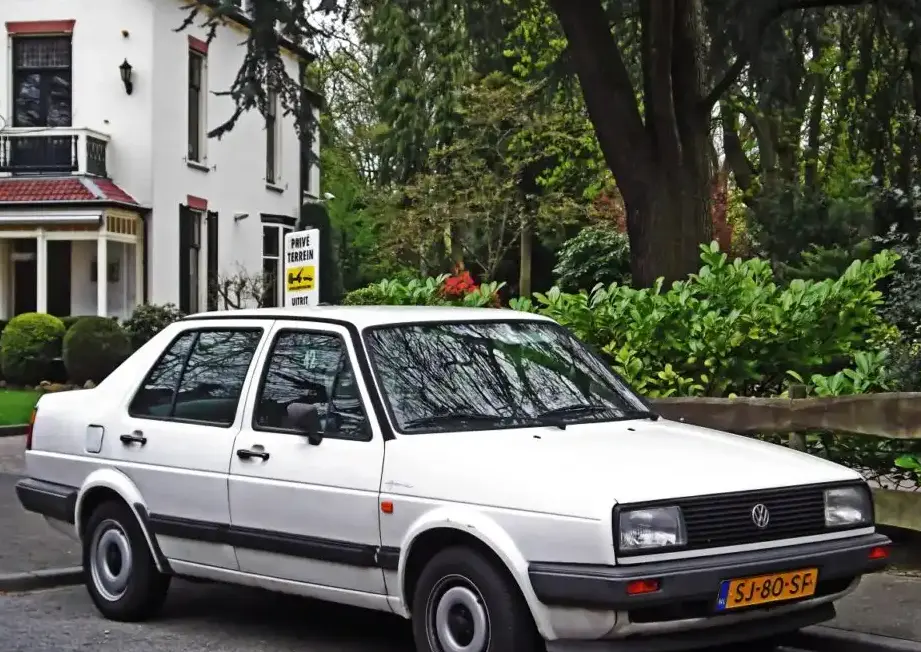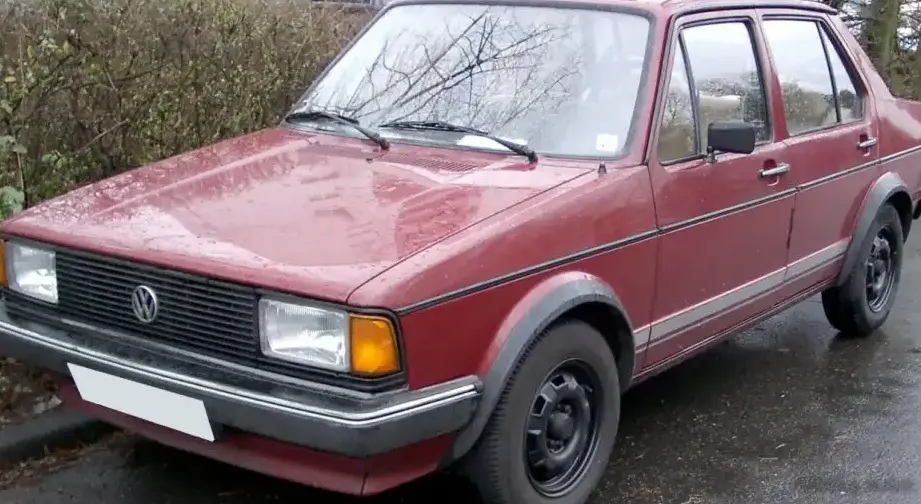
The Volkswagen Jetta I 1.1, produced between 1979 and 1983, represents the entry point into the first generation of Volkswagen’s globally successful Jetta (Vento in some markets) sedan. Based heavily on the Volkswagen Golf Mk1, the Jetta I aimed to offer a more traditional three-box sedan body style to appeal to a broader range of buyers, particularly in markets like the United States where sedans were preferred over hatchbacks. The 1.1-liter variant, producing 50 horsepower, served as the base model, prioritizing affordability and fuel economy over outright performance. It was a key component in establishing the Jetta’s presence in the compact car segment, competing with vehicles like the Ford Escort and Chevrolet Cavalier.
Technical Specifications
| Brand | Volkswagen |
| Model | Jetta |
| Generation | Jetta I |
| Type (Engine) | 1.1 (50 Hp) |
| Start of production | 1979 |
| End of production | 1983 |
| Powertrain Architecture | Internal Combustion engine |
| Body type | Sedan |
| Fuel Type | Petrol (Gasoline) |
| Power | 50 Hp |
| Engine Model/Code | GG |
| Engine aspiration | Naturally aspirated engine |
| Engine oil capacity | 3 l (3.17 US qt | 2.64 UK qt) |
| Coolant capacity | 4.5 l (4.76 US qt | 3.96 UK qt) |
Powertrain & Engine Architecture
The Jetta I 1.1 utilized the Volkswagen GG engine, a 1098cc inline four-cylinder engine. This engine was a simple, naturally aspirated unit featuring a single overhead camshaft (SOHC) and two valves per cylinder. Fuel delivery was managed by a single, two-barrel carburetor – a common setup for vehicles of this era aiming for cost-effectiveness. The GG engine was known for its robustness, though its power output was modest. The engine block was cast iron, contributing to its durability, while the cylinder head was aluminum. The compression ratio was typically around 8.5:1. The engine’s relatively low output meant it wasn’t particularly stressed, contributing to its longevity. The Jetta I 1.1 was exclusively offered with a four-speed manual transmission, as an automatic transmission wasn’t available with this engine option. This transmission was a standard, non-synchronized unit, reflecting the era’s engineering practices.
Driving Characteristics
The driving experience in a Jetta I 1.1 was characterized by its simplicity and economy. With only 50 horsepower on tap, acceleration was leisurely. Zero to sixty miles per hour times were typically in the 15-17 second range. The four-speed manual transmission required frequent shifting to maintain momentum, especially when encountering hills or overtaking. The gear ratios were relatively tall, prioritizing fuel efficiency over performance. The Jetta I 1.1 wasn’t designed for spirited driving; instead, it excelled as a comfortable and economical commuter car. Compared to the later 1.6-liter and 1.8-liter Jetta variants, the 1.1 felt significantly underpowered. The 1.6 offered a noticeable improvement in acceleration and highway cruising ability, while the 1.8 provided even more responsive performance. The 1.1’s strength lay in its fuel efficiency, achieving around 35-40 miles per gallon in typical driving conditions.
Equipment & Trim Levels
The Jetta I 1.1 was the base trim level, and as such, it came with a relatively sparse equipment list. Standard features typically included cloth upholstery, vinyl floor covering, and basic instrumentation consisting of a speedometer, fuel gauge, and temperature gauge. Power steering and air conditioning were not standard, and were rarely fitted to this base model. The dashboard was constructed from durable plastic, and the overall interior design was functional rather than luxurious. Optional extras were limited, but could include a basic radio and upgraded seat upholstery. The exterior featured steel wheels with hubcaps, and chrome trim was minimal. The Jetta I 1.1 was designed to be an affordable and practical vehicle, and its equipment level reflected that.
Chassis & Braking
The Jetta I shared its chassis with the Golf Mk1, utilizing a front-engine, front-wheel-drive layout. The suspension consisted of independent front suspension with MacPherson struts and a twist-beam rear axle. This setup provided a reasonable balance between ride comfort and handling. The Jetta I 1.1 typically featured drum brakes on all four wheels, which were adequate for the vehicle’s weight and performance. Steering was manual, requiring more effort than power steering systems. The relatively light weight of the 1.1-liter engine contributed to balanced handling, although the car wasn’t particularly sporty. Stabilizer bars were not standard on the base model, further emphasizing its focus on comfort and economy.
Market Reception & Comparison
The Jetta I 1.1 was generally well-received as an affordable and practical sedan. Critics praised its fuel efficiency and durability, but noted its lack of power. It was seen as a sensible choice for buyers who prioritized economy over performance. Compared to other trims in the Jetta lineup, the 1.1 was significantly less expensive but also offered considerably less performance. The 1.6-liter version, while more expensive, provided a more enjoyable driving experience and was a popular upgrade. The 1.1’s fuel economy was competitive with other compact cars of the era, but its performance lagged behind many of its rivals. Reliability was generally good, with the GG engine proving to be a robust and long-lasting unit.
Legacy
The Jetta I 1.1, while not the most powerful or exciting variant of the first-generation Jetta, played a crucial role in establishing the model’s reputation for reliability and affordability. Today, these cars are relatively rare, and well-maintained examples are sought after by collectors and enthusiasts. The GG engine, while simple, is known for its durability and ease of maintenance. Parts availability can be a challenge, but many components are still available through specialist suppliers. The Jetta I 1.1 represents a significant piece of automotive history, showcasing Volkswagen’s commitment to building practical and economical vehicles. Its legacy continues to influence the Jetta’s position as a popular choice in the compact sedan segment.