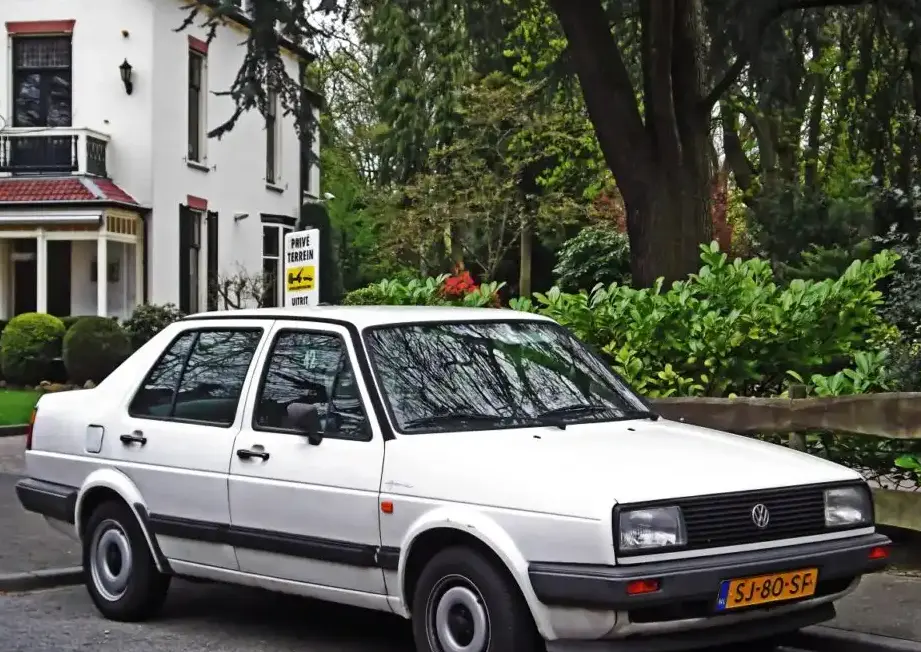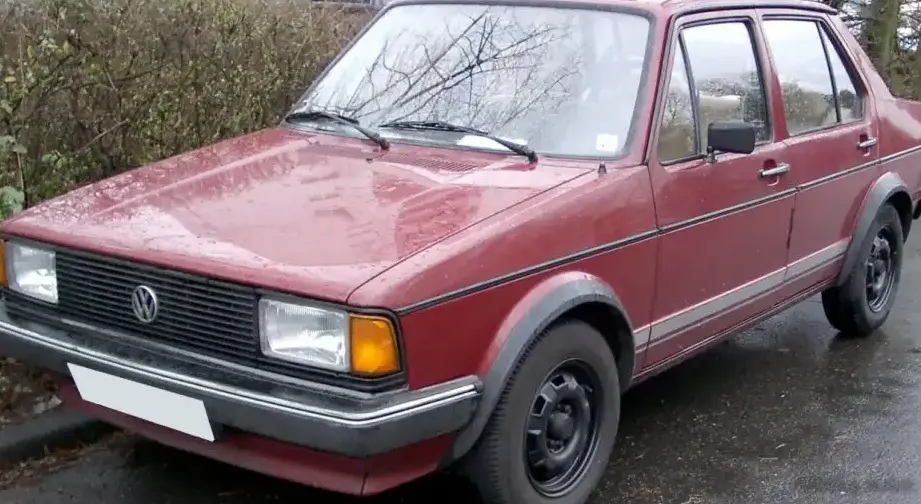
The Volkswagen Jetta I 1.5 D, produced from 1979 to 1980, represents the entry point into the Jetta (Vento in some markets) lineup during the model’s initial generation. Based on the Golf Mk1 platform, the Jetta I aimed to provide a more traditional sedan body style alongside the hatchback Golf, appealing to buyers seeking a more conventional vehicle. This 50 horsepower diesel variant was specifically targeted at economy-minded drivers, offering fuel efficiency as its primary advantage. It played a crucial role in establishing the Jetta as a practical and affordable option in the North American and European markets, though its limited power output positioned it distinctly within the broader Jetta range.
Technical Specifications
| Brand | Volkswagen |
| Model | Jetta I |
| Generation | Jetta I |
| Engine Type | 1.5 D (Diesel) |
| Power Output | 50 hp |
| Production Years | 1979-1980 |
| Body Type | Sedan |
| Fuel Type | Diesel |
| Engine Aspiration | Naturally Aspirated |
Powertrain & Engine Architecture
The Jetta I 1.5 D was powered by a naturally aspirated, inline-four cylinder diesel engine. This engine, internally designated with various codes depending on the specific market (though specific codes for this early iteration are less commonly documented than later VW diesels), displaced 1.5 liters (1471 cc). It featured a simple, robust design characteristic of early diesel engines. Fuel injection was mechanical, utilizing a Bosch inline pump system. This system, while not as refined as later electronic injection systems, was known for its reliability and durability. The engine employed a single overhead camshaft (SOHC) operating a two-valve per cylinder configuration. The relatively low compression ratio, typical for diesel engines of the era, contributed to its longevity but also limited its power output. The engine’s design prioritized fuel economy and durability over outright performance.
Driving Characteristics
The driving experience in the Jetta I 1.5 D was defined by its modest power. With only 50 horsepower, acceleration was slow, particularly when loaded with passengers or cargo. The engine produced a peak torque of approximately 86 lb-ft, available at relatively low RPMs, which made it reasonably tractable for everyday driving. However, overtaking maneuvers required careful planning. The four-speed manual transmission, standard on this model, was geared to maximize fuel efficiency, further emphasizing the car’s economy-focused nature. The gear ratios were relatively tall, contributing to the relaxed cruising experience but also exacerbating the lack of acceleration. Compared to the gasoline-powered Jetta variants, the 1.5 D offered significantly less performance but a substantial improvement in fuel economy. It was a deliberate trade-off aimed at a specific segment of the market.
Equipment & Trim Levels
The Jetta I 1.5 D was typically offered with a basic level of equipment, reflecting its position as the entry-level model. Standard features generally included cloth upholstery, vinyl floor covering, and basic instrumentation – speedometer, fuel gauge, and temperature gauge. Power steering and air conditioning were typically optional extras, and rarely fitted to this base model. The dashboard was constructed from durable plastic, and the overall interior design was functional rather than luxurious. Trim levels were minimal; the focus was on providing a simple, reliable, and affordable vehicle. Options were limited to items like upgraded stereo systems, and occasionally, a sunroof. The exterior trim was also basic, with steel wheels and minimal chrome accents.
Chassis & Braking
The Jetta I 1.5 D utilized a MacPherson strut front suspension and a torsion beam rear suspension, a common configuration for front-wheel-drive cars of the era. The suspension was tuned for comfort rather than sporty handling. The front brakes were disc brakes, while the rear brakes were typically drum brakes, a cost-saving measure for the base model. The steering was manual rack and pinion, providing adequate but not particularly responsive steering feel. The chassis was relatively lightweight, which helped to mitigate the effects of the low engine power. Stabilizer bars were often omitted on the base model, further contributing to the car’s comfortable but less dynamic handling characteristics. The overall chassis design prioritized ride comfort and durability over sporty handling.
Market Reception & Comparison
The Jetta I 1.5 D received mixed reviews. Critics acknowledged its excellent fuel economy and robust engine, but often criticized its lack of power. It was generally seen as a practical and economical choice for drivers who prioritized fuel efficiency over performance. Compared to the gasoline-powered Jetta variants, the 1.5 D offered significantly better fuel economy – often exceeding 45 mpg on the highway – but considerably less performance. Against competitors like the Ford Escort Diesel or the Fiat Ritmo Diesel, the Jetta offered a more refined driving experience and a reputation for build quality. However, it was often more expensive than its rivals. The 1.5 D appealed to a niche market of drivers who valued economy and reliability above all else.
Legacy
The Jetta I 1.5 D, while not a performance icon, played a significant role in establishing the Jetta as a popular and versatile vehicle. The engine proved to be remarkably durable, and many examples remain on the road today, albeit often with significant mileage. In the used car market, these early Jettas are sought after by enthusiasts and collectors, particularly those interested in preserving a piece of Volkswagen history. The 1.5 D powertrain, while simple, is relatively easy to maintain and repair, making it an attractive option for those seeking a classic car with reasonable running costs. Its legacy lies in its fuel efficiency and reliability, qualities that continue to be valued by car owners today. The Jetta I 1.5 D represents a pivotal moment in Volkswagen’s expansion into the sedan market, and its enduring presence on the road is a testament to its robust design and enduring appeal.