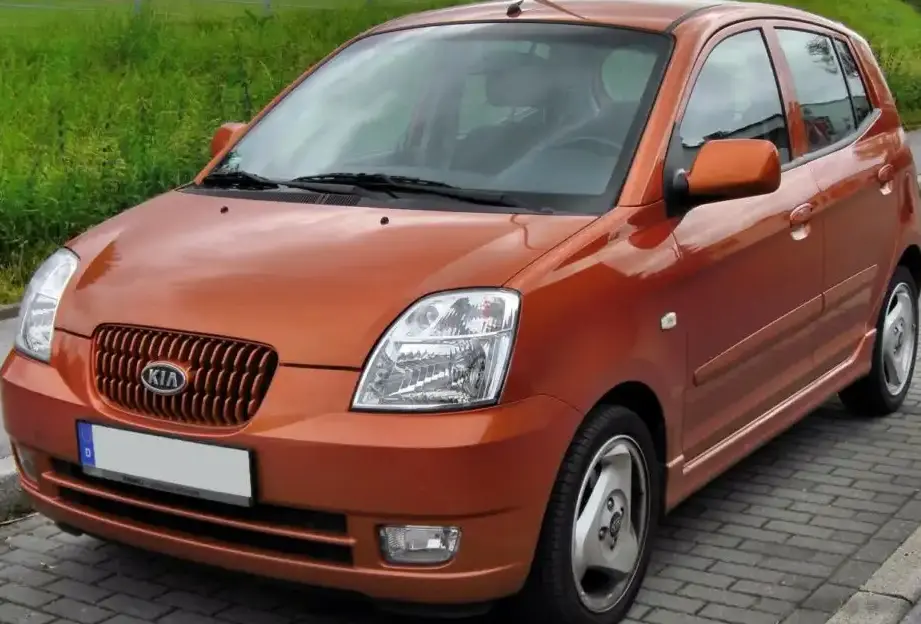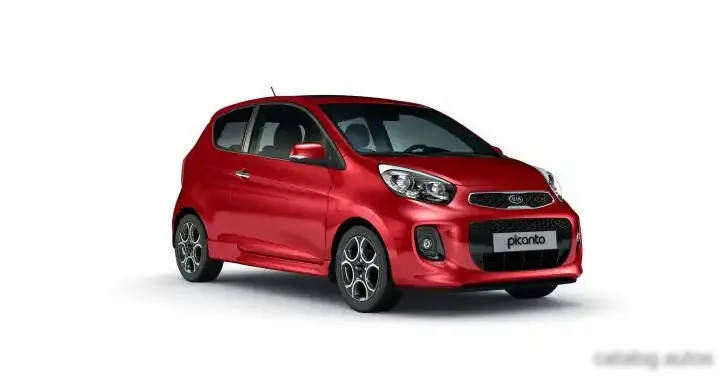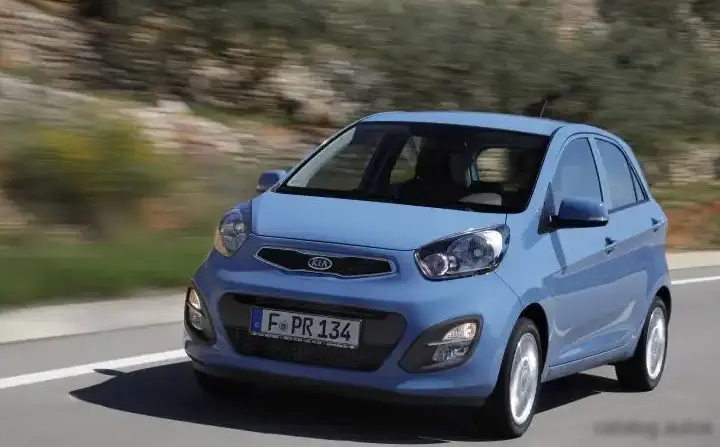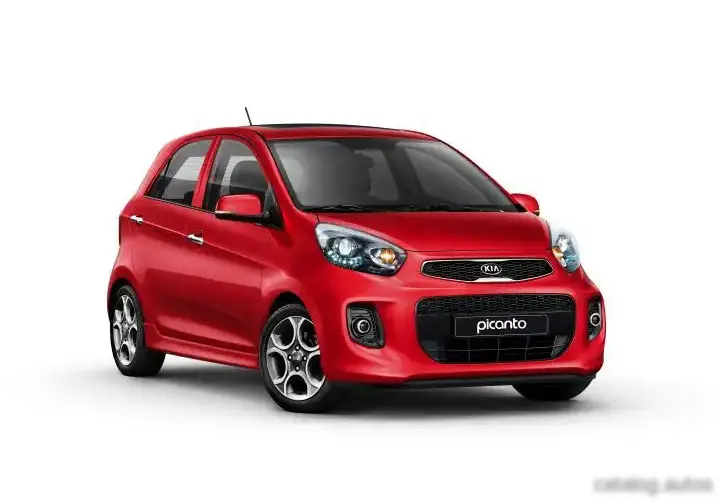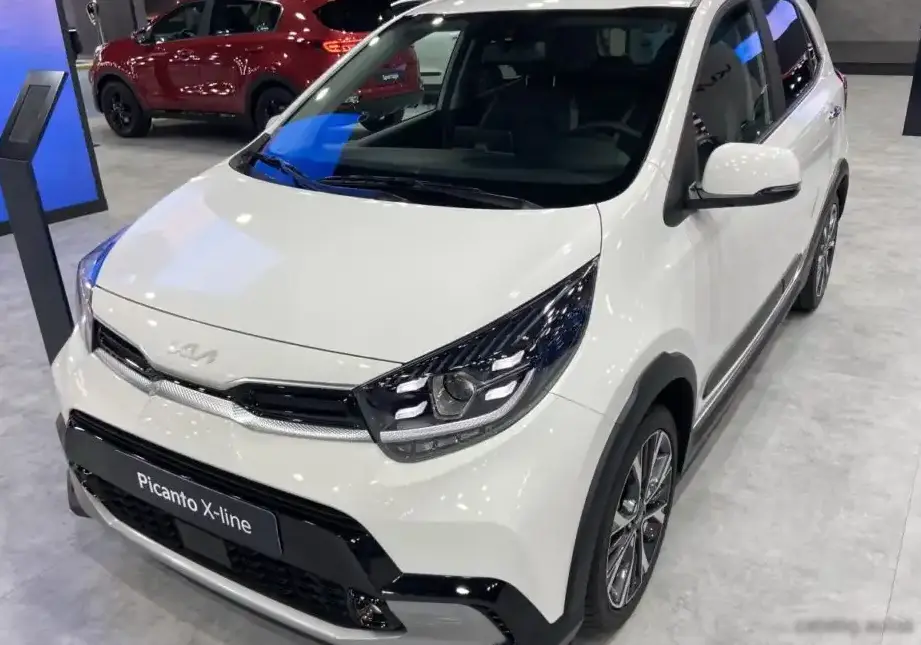
The Kia Picanto III (facelift, introduced in July 2020 and continuing through October 2022) represents a mid-cycle refresh of the third-generation Picanto, Kia’s city car offering. The 1.0 T-GDI variant, producing 101 horsepower, occupied a key position in the lineup, bridging the gap between the base 1.0-liter naturally aspirated engine and the more expensive GT-Line trim. This version aimed to provide a balance of fuel efficiency, performance, and modern features for the European and Asian markets, where compact city cars are highly popular. The facelift brought updated styling, enhanced safety features, and improvements to the infotainment system.
Technical Specifications
| Brand | Kia |
| Model | Picanto |
| Generation | Picanto III (facelift 2020) |
| Type (Engine) | 1.0 T-GDI (101 Hp) |
| Start of production | July, 2020 |
| End of production | October, 2022 |
| Powertrain Architecture | Internal Combustion engine |
| Body type | Hatchback |
| Seats | 5 |
| Doors | 5 |
| CO2 emissions (WLTP) | 128 g/km |
| Fuel consumption (urban) | 5.6 l/100 km (42 US mpg, 50.4 UK mpg, 17.9 km/l) |
| Fuel consumption (extra urban) | 4.1 l/100 km (57.4 US mpg, 68.9 UK mpg, 24.4 km/l) |
| Fuel consumption (combined) | 4.6 l/100 km (51.1 US mpg, 61.4 UK mpg, 21.7 km/l) |
| CO2 emissions (NEDC) | 107 g/km |
| Fuel Type | Petrol (Gasoline) |
| Acceleration 0 – 100 km/h | 10.3 sec |
| Acceleration 0 – 62 mph | 10.3 sec |
| Acceleration 0 – 60 mph | 9.8 sec |
| Maximum speed | 180 km/h (111.85 mph) |
| Emission standard | Euro 6d-ISC-FCM |
| Weight-to-power ratio | 9.5 kg/Hp, 105.3 Hp/tonne |
| Weight-to-torque ratio | 5.5 kg/Nm, 182.5 Nm/tonne |
| Power | 101 Hp @ 4500 rpm |
| Power per litre | 101.2 Hp/l |
| Torque | 175 Nm @ 1500-4000 rpm (129.07 lb.-ft. @ 1500-4000 rpm) |
| Engine layout | Front, Transverse |
| Engine Model/Code | G3LE |
| Engine displacement | 998 cm3 (60.9 cu. in.) |
| Number of cylinders | 3 |
| Engine configuration | Inline |
| Cylinder Bore | 71 mm (2.8 in.) |
| Piston Stroke | 84 mm (3.31 in.) |
| Compression ratio | 10.5:1 |
| Number of valves per cylinder | 4 |
| Fuel injection system | Direct injection |
| Engine aspiration | Turbocharger, Intercooler |
| Engine oil capacity | 3.6 l (3.8 US qt | 3.17 UK qt) |
| Coolant capacity | 5.9 l (6.23 US qt | 5.19 UK qt) |
| Kerb Weight | 959-1057 kg (2114.23 – 2330.29 lbs.) |
| Max. weight | 1450 kg (3196.7 lbs.) |
| Max load | 393-491 kg (866.42 – 1082.47 lbs.) |
| Trunk (boot) space – minimum | 255 l (9.01 cu. ft.) |
| Trunk (boot) space – maximum | 1010 l (35.67 cu. ft.) |
| Fuel tank capacity | 35 l (9.25 US gal | 7.7 UK gal) |
| Permitted towbar download | 75 kg (165.35 lbs.) |
| Length | 3595-3670 mm (141.54 – 144.49 in.) |
| Width | 1595-1625 mm (62.8 – 63.98 in.) |
| Width including mirrors | 1880-1910 mm (74.02 – 75.2 in.) |
| Height | 1485-1500 mm (58.46 – 59.06 in.) |
| Wheelbase | 2400 mm (94.49 in.) |
| Front track | 1390-1394 mm (54.72 – 54.88 in.) |
| Rear track | 1402-1403 mm (55.2 – 55.24 in.) |
| Front overhang | 675-710 mm (26.57 – 27.95 in.) |
| Rear overhang | 520-560 mm (20.47 – 22.05 in.) |
| Minimum turning circle | 9.4 m (30.84 ft.) |
| Drivetrain Architecture | Front wheel drive |
| Number of gears | 5 |
| Gearbox type | Manual transmission |
| Front suspension | Independent, McPherson with coil spring and anti-roll bar |
| Rear suspension | Semi-independent, coil spring |
| Front brakes | Ventilated discs, 256 mm |
| Rear brakes | Disc, 244 mm |
| Assisting systems | ABS (Anti-lock braking system) |
| Steering type | Steering rack and pinion |
| Power steering | Electric |
| Tires size | 195/45 R16 84V |
| Wheel rims size | 6.5J x 16 |
Powertrain & Engine Architecture
The heart of the Picanto 1.0 T-GDI is the G3LE engine, a three-cylinder, 998cc turbocharged gasoline engine. This engine utilizes direct fuel injection and a single scroll turbocharger with an intercooler to deliver a respectable 101 horsepower at 4500 rpm and 175 Nm (129 lb-ft) of torque between 1500 and 4000 rpm. The engine’s compact size and lightweight construction contribute to the Picanto’s overall agility. The G3LE engine is known for its responsiveness and relatively smooth operation for a three-cylinder unit. The engine incorporates a Start & Stop system for improved fuel economy and reduced emissions, and is equipped with a particulate filter to meet stringent Euro 6d-ISC-FCM emission standards. The 5-speed manual transmission was the standard offering for this variant, providing a direct connection to the engine and allowing for engaging driving experience.
Driving Characteristics
The 1.0 T-GDI Picanto offers a noticeable step up in performance compared to the naturally aspirated 1.0-liter engine. The turbocharger provides a boost of power, making overtaking and merging onto highways easier. While not a sports car, the Picanto feels lively and capable in urban environments. The 5-speed manual transmission is well-matched to the engine’s powerband, allowing drivers to keep the engine in its optimal torque range. Acceleration from 0 to 60 mph takes around 9.8 seconds, and the top speed is 180 km/h (112 mph). The relatively light weight of the Picanto (around 959-1057 kg) further enhances its agility and responsiveness. Compared to higher-spec trims, the 1.0 T-GDI offers a more engaging driving experience due to the manual transmission, while still providing adequate power for everyday driving.
Equipment & Trim Levels
The 1.0 T-GDI trim typically included features such as air conditioning, power windows, central locking, and a basic audio system with Bluetooth connectivity. The facelifted model benefited from an upgraded 8-inch touchscreen infotainment system with Apple CarPlay and Android Auto compatibility. Safety features included ABS, Electronic Stability Control (ESC), and multiple airbags. Optional extras could include alloy wheels, a rear-view camera, and parking sensors. Interior upholstery was typically cloth, with a functional and durable design. The trim level aimed to provide a good balance of features and affordability, appealing to buyers looking for a well-equipped city car without breaking the bank.
Chassis & Braking
The Picanto utilizes a McPherson strut front suspension and a semi-independent torsion beam rear suspension. This setup provides a comfortable ride quality while maintaining good handling characteristics. The front brakes are ventilated discs, while the rear brakes are solid discs, providing adequate stopping power for the vehicle’s weight and performance. The electric power steering offers light and precise steering feel, making it easy to maneuver in tight urban spaces. The chassis is designed to be lightweight and rigid, contributing to the Picanto’s overall agility and stability.
Market Reception & Comparison
The Kia Picanto 1.0 T-GDI was generally well-received by automotive critics for its combination of fuel efficiency, performance, and value. It was praised for its responsive engine, agile handling, and well-equipped interior. Compared to rivals such as the Hyundai i10 and Volkswagen up!, the Picanto offered a more generous warranty and a more stylish design. Fuel economy was a strong point, with combined figures around 4.6 l/100 km (51.1 US mpg). Reliability was also considered good, with Kia’s reputation for building durable and dependable vehicles. However, some critics noted that the three-cylinder engine could be slightly noisy at higher revs.
Legacy
The Kia Picanto 1.0 T-GDI has proven to be a reliable and economical city car, and remains a popular choice in the used car market. The G3LE engine has demonstrated good long-term durability, with relatively few reported issues. The availability of affordable spare parts and a strong dealer network further contribute to the Picanto’s appeal. As a compact and fuel-efficient vehicle, the 1.0 T-GDI variant continues to be a practical and affordable option for urban commuters and first-time car buyers.