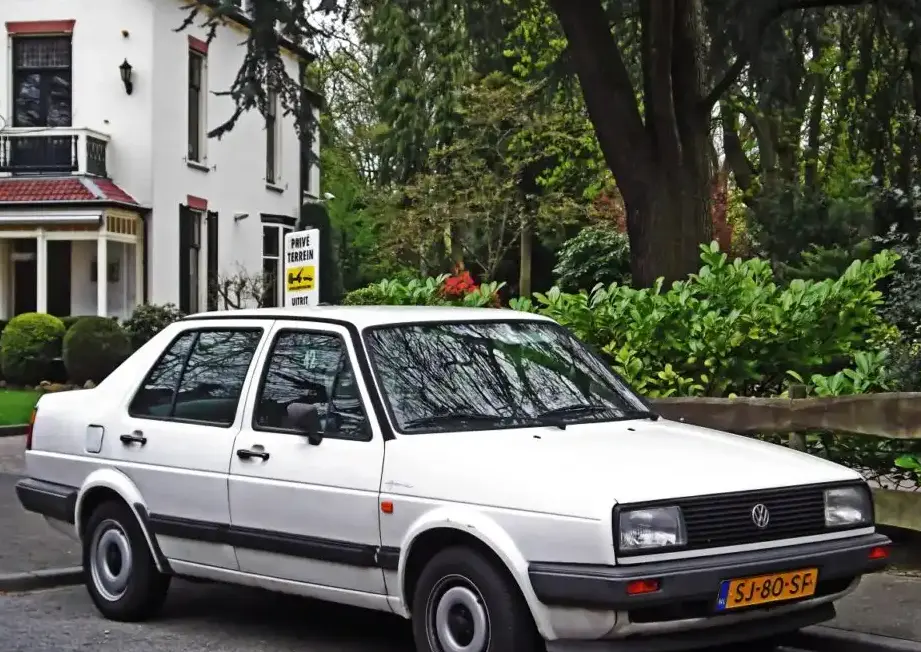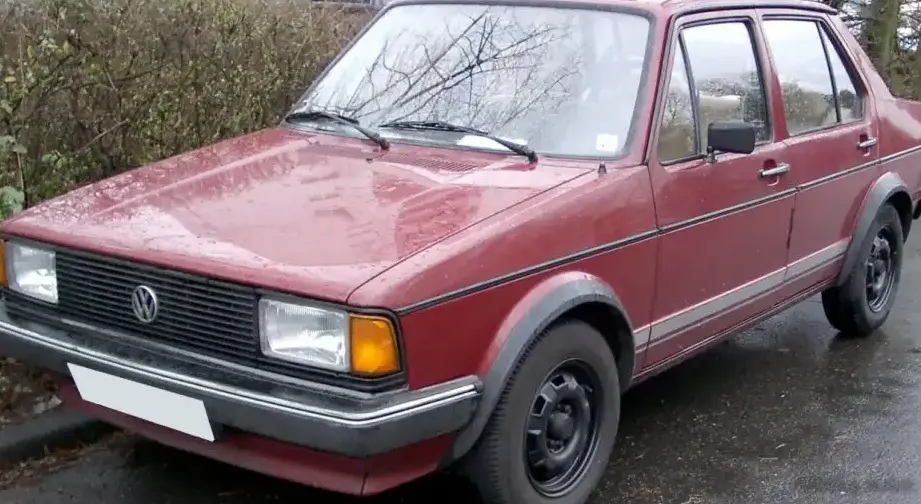
The Volkswagen Jetta I 1.6, producing 85 horsepower, was a key variant in the initial Jetta (Typ 16) lineup, produced between 1980 and 1983. Positioned as the entry-level model, it offered a more affordable and fuel-conscious alternative to the higher-spec Jetta models. The Jetta I represented Volkswagen’s attempt to create a modern, front-wheel-drive sedan based on the Golf platform (A1 generation, also known as the Rabbit in North America), aiming to appeal to buyers seeking a practical and economical family car. It was a significant departure from the rear-engined, air-cooled Beetles and the rear-wheel-drive Passats that previously defined Volkswagen’s sedan offerings.
Technical Specifications
| Brand | Volkswagen |
| Model | Jetta |
| Generation | Jetta I |
| Type (Engine) | 1.6 (85 Hp) |
| Start of production | 1980 |
| End of production | 1983 |
| Powertrain Architecture | Internal Combustion engine |
| Body type | Sedan |
| Seats | 5 |
| Doors | 5 |
| Fuel Type | Petrol (Gasoline) |
| Emission standard | Euro 1 |
| Power | 85 Hp |
| Engine layout | Front, Transverse |
| Engine Model/Code | FR |
| Engine aspiration | Naturally aspirated engine |
| Engine oil capacity | 3 l (3.17 US qt | 2.64 UK qt) |
| Coolant capacity | 4.5 l (4.76 US qt | 3.96 UK qt) |
| Drivetrain Architecture | Front wheel drive |
| Number of gears | 4 |
| Gearbox type | Manual transmission |
| Front brakes | Disc |
| Rear brakes | Drum |
| Steering type | Steering rack and pinion |
Powertrain & Engine Architecture
The Jetta I 1.6 was powered by the Volkswagen EA827 engine, specifically the FR code variant. This 1.6-liter inline-four engine was a naturally aspirated, water-cooled unit. It featured a single overhead camshaft (SOHC) operating two valves per cylinder. Fuel delivery was managed by a Bosch mechanical fuel injection system, a relatively sophisticated setup for the time, offering improved fuel efficiency and reduced emissions compared to carburetors. The engine’s bore and stroke were 76.5 mm x 80.0 mm, resulting in a displacement of 1584 cc. The compression ratio was typically around 8.5:1. The engine was transversely mounted, driving the front wheels. The four-speed manual transmission was a standard offering, known for its relatively simple and durable design. It wasn’t particularly sporty, with gear ratios geared towards economy rather than performance.
Driving Characteristics
The 1.6-liter engine in the Jetta I delivered modest performance. With 85 horsepower, acceleration was adequate for everyday driving, but it wasn’t a particularly quick car. Zero to sixty mph times were typically in the 12-14 second range. The engine produced 83 lb-ft of torque, which was sufficient for cruising on the highway, but required downshifting for overtaking maneuvers. The four-speed manual transmission had relatively wide gear spacing, which contributed to the engine feeling somewhat strained at higher speeds. Compared to the later 1.8-liter versions or the diesel options, the 1.6 felt noticeably less powerful. However, its lighter weight and simpler mechanicals made it feel nimble and easy to drive in urban environments. The front-wheel-drive configuration provided decent handling, although it lacked the sophistication of more modern front-wheel-drive systems.
Equipment & Trim Levels
The Jetta I 1.6 was typically offered with a fairly basic level of equipment, reflecting its position as the entry-level model. Standard features generally included cloth upholstery, vinyl floor covering, and basic instrumentation. The dashboard was functional but lacked the aesthetic refinements of higher-spec models. Optional extras included a sunroof, upgraded stereo system, and power windows. The base trim level was fairly spartan, but it provided a solid foundation for buyers who prioritized affordability and practicality. Interior color schemes were typically subdued, with options like blue, beige, and gray. The Jetta I 1.6 did not typically feature many luxury items, focusing instead on providing reliable transportation.
Chassis & Braking
The Jetta I utilized a MacPherson strut front suspension and a torsion beam rear suspension. This setup provided a reasonable balance between ride comfort and handling. The front suspension featured coil springs and a stabilizer bar, while the rear suspension relied on leaf springs. Braking was accomplished via disc brakes on the front wheels and drum brakes on the rear wheels. The braking system was adequate for the car’s weight and performance, but it lacked the stopping power of more modern braking systems. Steering was via a rack and pinion system, providing precise and responsive steering feel. The chassis was relatively lightweight, contributing to the car’s nimble handling characteristics. Stabilizer bar thickness was relatively modest, reflecting the car’s focus on comfort rather than sporty handling.
Market Reception & Comparison
The Jetta I 1.6 was generally well-received as an affordable and practical family car. Critics praised its fuel efficiency and comfortable ride. However, some reviewers noted its lack of power and relatively basic interior. Compared to the 1.8-liter Jetta models, the 1.6 offered lower running costs but sacrificed performance. The diesel-powered Jettas provided even better fuel economy but were slower and noisier. The 1.6-liter version appealed to buyers who prioritized economy and reliability over outright performance. Its Euro 1 emission standard was a step forward in reducing pollution, although it was still relatively lenient by modern standards. The Jetta I 1.6 competed with other compact sedans such as the Ford Escort and the Opel Ascona.
Legacy
The Volkswagen Jetta I 1.6, while not the most powerful or luxurious variant, played a crucial role in establishing the Jetta as a successful model in the Volkswagen lineup. The EA827 engine proved to be relatively reliable, and many examples are still on the road today. However, age and corrosion can be significant issues with older Jettas. Parts availability is generally good, but some components can be difficult to find. The Jetta I 1.6 remains a popular choice among classic Volkswagen enthusiasts, particularly those seeking a simple and affordable entry point into the world of vintage VWs. Its straightforward mechanicals make it relatively easy to maintain and repair, and its fuel efficiency makes it a practical choice for everyday driving. The Jetta I 1.6 represents a significant milestone in Volkswagen’s history, marking the transition from rear-engined, air-cooled cars to modern, front-wheel-drive sedans.