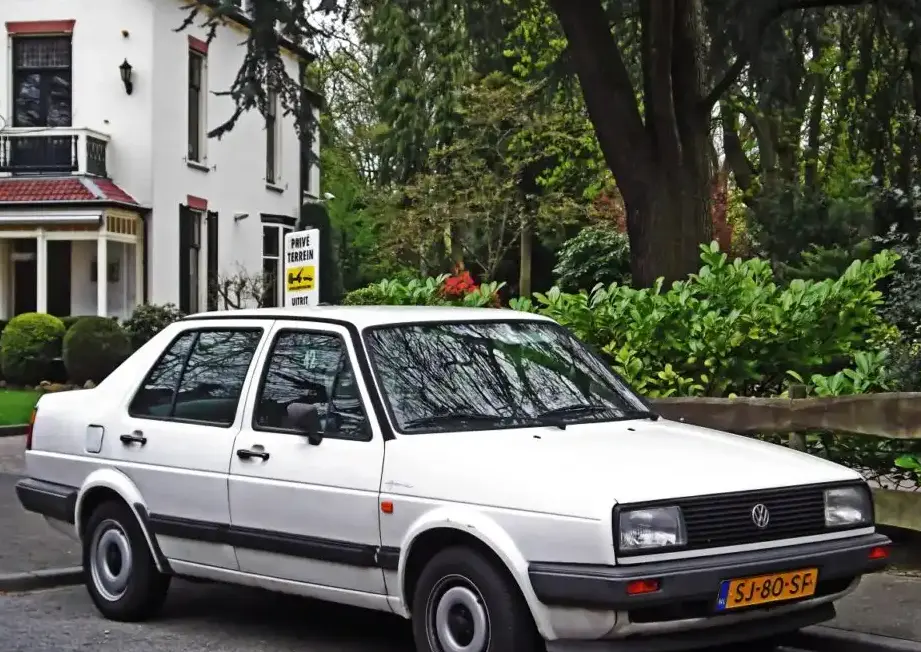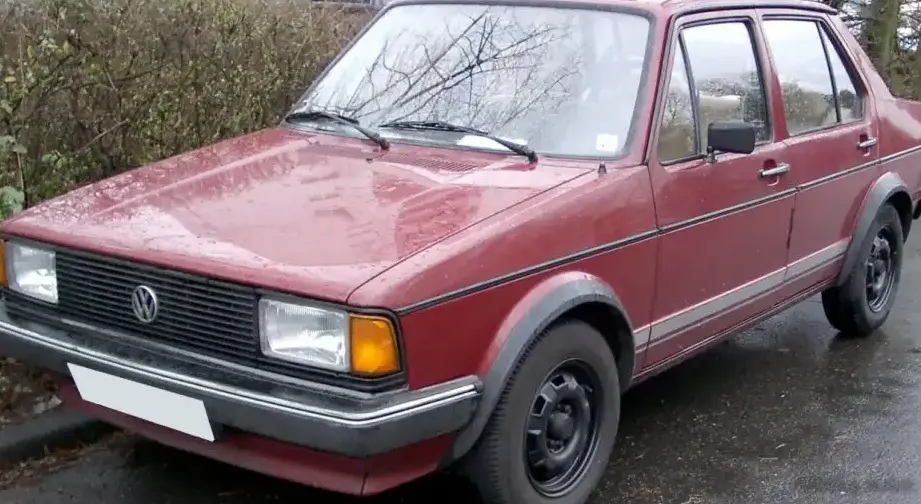
The Volkswagen Jetta I 1.6 D, produced between 1980 and 1983, represents the entry-level diesel variant of Volkswagen’s first foray into the compact sedan market. Positioned as an economical and practical option within the A1 platform (shared with the Golf, Scirocco, and Polo), the 1.6 D aimed to provide fuel efficiency and durability to buyers seeking a no-frills transportation solution. This model played a crucial role in establishing the Jetta’s presence in the North American market, where diesel engines were gaining popularity due to rising gasoline prices and a desire for improved fuel economy. It was a direct response to the demand for a more affordable and efficient alternative to the gasoline-powered Jetta models.
Technical Specifications
| Brand | Volkswagen |
| Model | Jetta |
| Generation | Jetta I |
| Engine Type | 1.6 D (54 Hp) |
| Production Years | 1980 – 1983 |
| Powertrain Architecture | Internal Combustion Engine |
| Body Type | Sedan |
| Fuel Type | Diesel |
| Power Output | 54 Hp |
| Engine Model/Code | CR/JK |
| Engine Aspiration | Naturally Aspirated |
| Engine Oil Capacity | 3.5 l (3.7 US qt | 3.08 UK qt) |
| Coolant Capacity | 4.5 l (4.76 US qt | 3.96 UK qt) |
Powertrain & Engine Architecture
The Jetta I 1.6 D was powered by a naturally aspirated, inline-four cylinder diesel engine, designated with engine codes CR and JK depending on minor variations and regional specifications. This engine was a relatively simple design, prioritizing reliability and fuel economy over outright performance. It featured indirect injection, utilizing a pre-chamber combustion system. This system involved injecting fuel into a small pre-chamber connected to the main combustion chamber, where it was partially ignited before entering the main cylinder. This design aided in smoother combustion and reduced engine noise, common characteristics of early diesel engines. The engine employed a single overhead camshaft (SOHC) operating the valves. The engine’s modest 54 horsepower output was achieved through a relatively low compression ratio and conservative fuel injection timing. Unlike later direct injection diesels, the 1.6 D relied on mechanical fuel injection, typically a Bosch system, which was known for its durability but less precise control compared to electronic systems.
Driving Characteristics
The driving experience in the Jetta I 1.6 D was characterized by its deliberate pace and focus on fuel efficiency. Acceleration was modest, with 0 to 60 mph times typically exceeding 15 seconds. The engine produced a peak torque of around 86 lb-ft, available at low engine speeds, making it reasonably tractable for everyday driving. However, overtaking maneuvers required careful planning. The four-speed manual transmission was the most common pairing, offering a direct connection to the engine and maximizing fuel economy. An optional three-speed automatic transmission was available, but it further diminished acceleration and responsiveness. The automatic transmission, while providing convenience, significantly impacted the car’s performance and fuel consumption. The suspension, while simple, provided a comfortable ride, absorbing bumps and imperfections in the road reasonably well. Steering was unassisted, requiring a bit more effort at low speeds, but providing a direct feel for the road.
Equipment & Trim Levels
The Jetta I 1.6 D was typically offered in a base trim level, reflecting its position as the entry-level model. Standard equipment was minimal, focusing on essential features. Interior upholstery was typically cloth, often in a durable but plain pattern. The dashboard featured basic instrumentation, including a speedometer, fuel gauge, and temperature gauge. A basic AM/FM radio was often included, but options like power windows, central locking, and air conditioning were rarely fitted to the 1.6 D. The exterior trim was also basic, with steel wheels and minimal chrome accents. Optional extras included upgraded cloth upholstery, a sunroof, and a more powerful radio. The overall interior ambiance was functional and utilitarian, prioritizing practicality over luxury.
Chassis & Braking
The Jetta I utilized a front independent suspension with MacPherson struts and a rear beam axle. This suspension setup provided a good balance between ride comfort and handling. The base model typically featured drum brakes on all four wheels, which were adequate for the car’s modest performance. Later models or those equipped with optional extras sometimes featured front disc brakes, offering improved stopping power. Steering was a recirculating ball system, providing a relatively direct feel but lacking the precision of more modern steering technologies. The car’s relatively light weight, around 2,100 lbs, helped to offset the limitations of the braking system. Stabilizer bars were not typically fitted to the base 1.6 D model, further emphasizing its focus on affordability.
Market Reception & Comparison
The Jetta I 1.6 D received mixed reviews. Critics praised its fuel economy and durability, but criticized its lack of power and refinement. Compared to the gasoline-powered Jetta models, the 1.6 D offered significantly better fuel economy, but at the expense of performance. The 1.6 D was also slower and less refined than competitors like the Honda Civic or Toyota Corolla. However, its lower price point and reputation for reliability made it an attractive option for budget-conscious buyers. Compared to the later 1.6 gasoline engine, the diesel offered superior fuel economy but was noticeably slower. The 1.8 gasoline engine provided a significant performance boost but came with a higher price tag and lower fuel efficiency. The 1.6 D appealed to a specific segment of the market – those prioritizing economy and durability over performance and luxury.
Legacy
The Jetta I 1.6 D powertrain, while not known for its blistering performance, proved to be remarkably durable. Many examples remain on the road today, a testament to the engine’s robust construction and simple design. However, age and accumulated mileage can lead to issues with fuel injection components and general wear and tear. In the used car market, the Jetta I 1.6 D is often sought after by enthusiasts looking for a classic Volkswagen or a simple, reliable vehicle. Parts availability is generally good, although some specific components may be difficult to find. The 1.6 D engine, while outdated by modern standards, remains a popular choice for engine swaps and restoration projects. Its legacy lies in its contribution to establishing the Jetta as a practical and economical choice in the compact sedan segment, paving the way for future generations of the model.