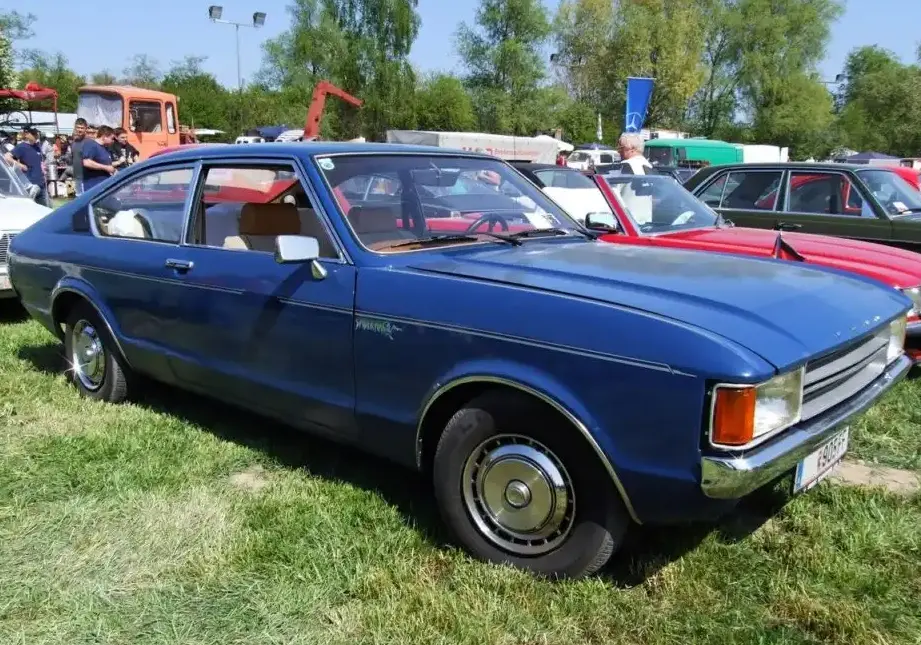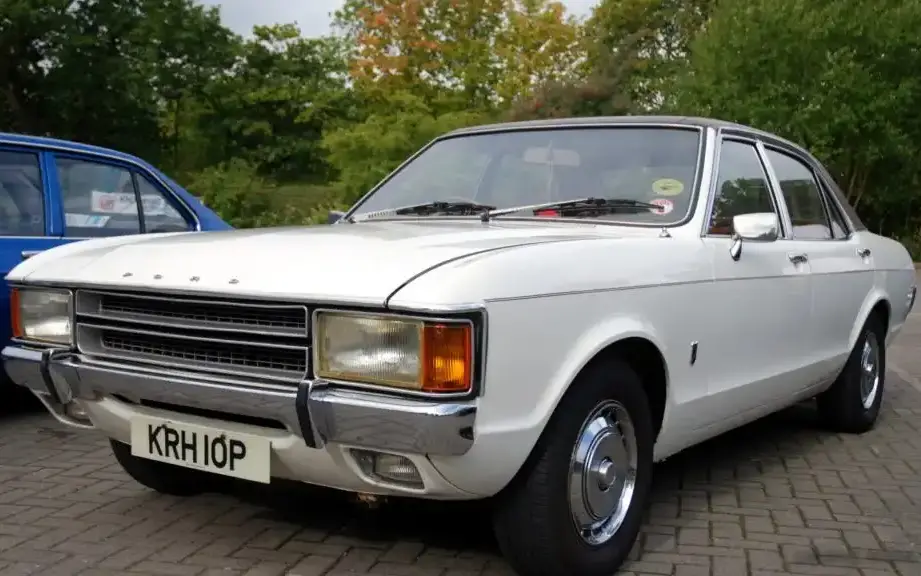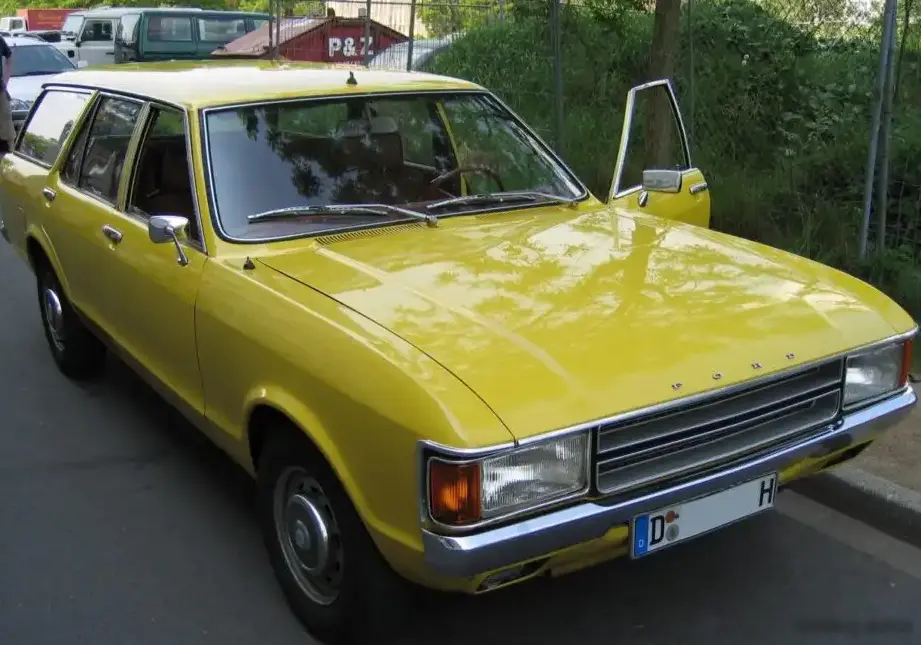
The Ford Consul Turnier GGNL 2300, produced between 1972 and 1976, represents a significant offering in Ford of Britain’s lineup during that period. Positioned as a practical and spacious estate car, the Turnier was designed to appeal to families and those requiring substantial cargo capacity. It was based on the Ford Consul platform, offering a more versatile body style compared to the saloon (sedan) versions. The 2300 variant, equipped with a 107 horsepower engine, occupied a mid-range position within the Turnier lineup, offering a balance between performance and affordability. It aimed to provide a comfortable and reliable motoring experience for the British market, and was also exported to select European countries.
Technical Specifications
| Brand | Ford |
| Model | Consul |
| Generation | Consul Turnier (GGNL) |
| Type (Engine) | 2300 (107 Hp) |
| Start of production | 1972 |
| End of production | 1976 |
| Powertrain Architecture | Internal Combustion Engine |
| Body type | Station wagon (estate) |
| Fuel Type | Petrol (Gasoline) |
| Power | 107 Hp |
| Engine aspiration | Naturally aspirated engine |
Powertrain & Engine Architecture
The heart of the Consul Turnier 2300 was the Ford Essex V6 engine, specifically the 2.3-liter (2294cc) version. This engine, designated as the 305E, was a 60-degree V6 known for its relatively smooth operation and decent power output for its time. It featured a cast iron block and cylinder heads, with a single overhead camshaft operating two valves per cylinder. Fuel delivery was managed by a Ford-designed carburetor, typically a Zenith 360CD, providing adequate fuel atomization for the engine’s needs. The engine produced 107 horsepower at 4750 rpm and 144 lb-ft of torque at 3000 rpm.
The 2300 Turnier was typically equipped with a three-speed automatic transmission, a Borg-Warner unit known for its durability. This transmission was chosen to enhance the car’s appeal to drivers prioritizing convenience over outright performance. The automatic transmission featured a torque converter, providing smooth acceleration from a standstill. While not particularly fuel-efficient by modern standards, the combination of the Essex V6 and the automatic transmission offered a comfortable and effortless driving experience.
Driving Characteristics
The Consul Turnier 2300 with the automatic transmission delivered a comfortable, if not particularly sporty, driving experience. Acceleration was adequate for everyday driving, with a 0-60 mph time estimated around 14-16 seconds. The automatic transmission, while smooth, did detract somewhat from the engine’s potential, as it resulted in some power loss through the torque converter. The gear ratios were optimized for cruising, making the Turnier a capable long-distance vehicle. However, overtaking maneuvers required careful planning, as the engine lacked the immediate response of higher-output variants or those equipped with a manual gearbox.
The Turnier’s suspension, consisting of independent front suspension with MacPherson struts and a live axle with leaf springs at the rear, provided a reasonably comfortable ride, absorbing most road imperfections effectively. The steering was power-assisted, making maneuvering in tight spaces relatively easy. Overall, the driving experience was geared towards practicality and comfort rather than performance.
Equipment & Trim Levels
The Consul Turnier 2300 was generally well-equipped for its time, although it wasn’t considered a luxury vehicle. Standard features included cloth upholstery, a heater, and a basic instrument panel. The trim level was generally consistent across the 2300 models, with options available to enhance comfort and convenience. These options included a radio, a vinyl roof, and upgraded interior trim. The interior design was functional and straightforward, prioritizing practicality over aesthetics. The dashboard layout was simple, with clearly labeled controls.
The Turnier’s spacious interior was a key selling point, offering ample headroom and legroom for both front and rear passengers. The large cargo area, accessible through a rear tailgate, provided a substantial amount of storage space, making it ideal for families and those needing to transport bulky items.
Chassis & Braking
The Consul Turnier 2300 utilized a body-on-frame construction, which contributed to its robust and durable nature. The chassis was designed to handle the weight of the vehicle and its occupants, as well as the cargo it was intended to carry. The front suspension featured MacPherson struts, coil springs, and an anti-roll bar, while the rear suspension employed a live axle with leaf springs. This setup provided a reasonable balance between ride comfort and handling stability.
The braking system consisted of disc brakes at the front and drum brakes at the rear. While adequate for normal driving conditions, the braking performance wasn’t particularly outstanding by modern standards. The brakes were hydraulically operated, providing sufficient stopping power for the vehicle’s weight and performance capabilities. Power steering was standard, making low-speed maneuvering easier.
Market Reception & Comparison
The Ford Consul Turnier 2300 was generally well-received in the British market as a practical and reliable estate car. Critics praised its spacious interior, comfortable ride, and robust construction. However, some criticized its relatively modest performance and somewhat dated styling. Compared to other estate cars of the time, such as the Vauxhall Cresta Estate and the Morris Oxford Estate, the Consul Turnier offered a good balance of features and affordability.
The 2300 variant, with its automatic transmission, was particularly popular among drivers who prioritized convenience over performance. It offered a more relaxed driving experience compared to the manual transmission versions. Fuel economy was typical for a V6 engine of that era, averaging around 18-22 mpg. Reliability was generally good, although regular maintenance was essential to ensure the engine and transmission remained in optimal condition.
Legacy
The Ford Consul Turnier 2300, while not a particularly rare or highly sought-after classic car today, holds a nostalgic appeal for many enthusiasts. The Essex V6 engine, while not known for its high performance, is relatively straightforward to maintain and repair. The automatic transmission, if properly maintained, can provide years of reliable service.
In the used car market, Consul Turniers in good condition can fetch reasonable prices, particularly those with low mileage and a complete service history. They are often appreciated for their spaciousness, practicality, and classic British charm. The 2300 automatic variant remains a popular choice for those seeking a comfortable and reliable classic estate car that is relatively easy to live with.