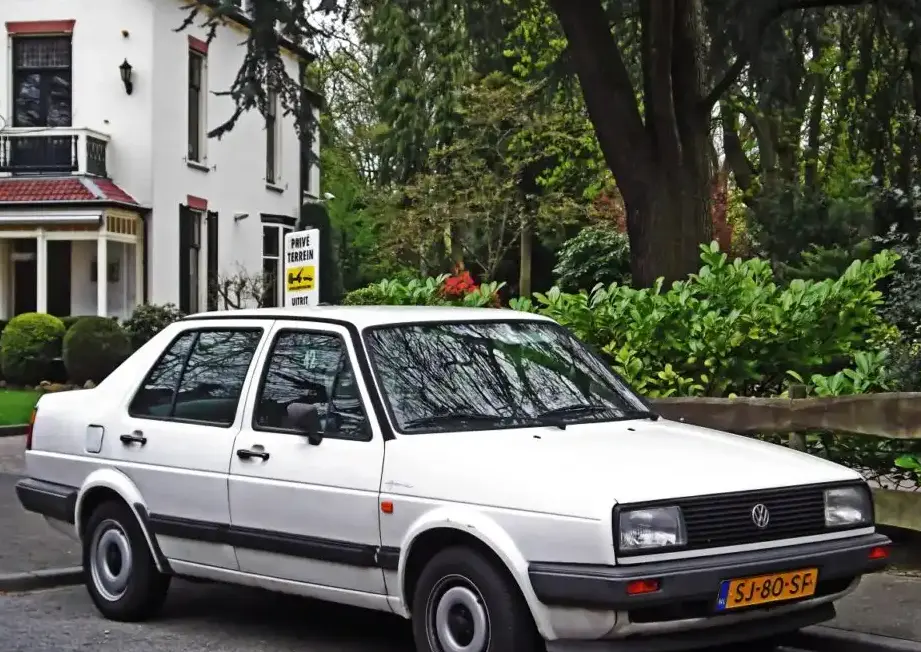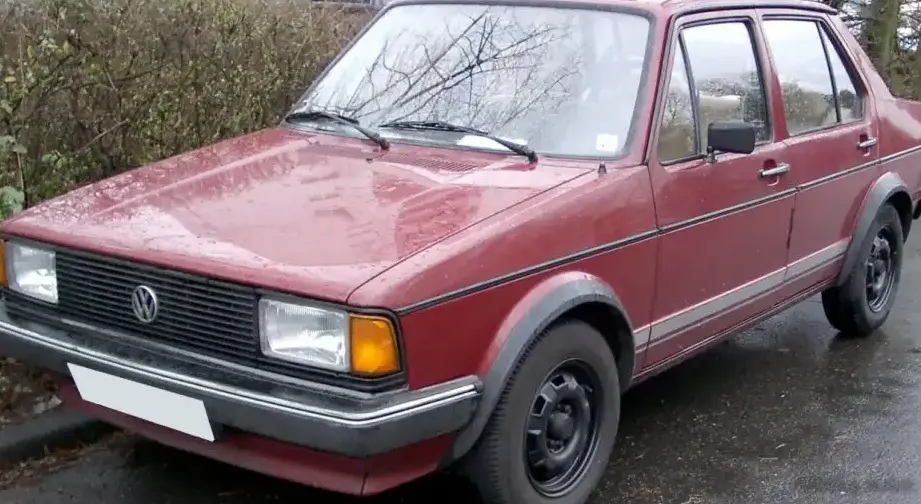
The Volkswagen Jetta I 1.6 TD, produced from 1982 to 1983, represents a significant entry in the early North American market for diesel-powered passenger cars. Falling within the first generation of the Jetta (Typ 16), known internally as the A1 platform, this variant aimed to provide fuel economy and practicality to buyers increasingly concerned with rising gasoline prices. It was positioned as a more economical alternative to the gasoline-powered Jetta models, and a direct competitor to emerging diesel offerings from Mercedes-Benz and Peugeot. While the Jetta nameplate was new to the US in 1980, it was essentially a rebadged Volkswagen Golf with a trunk, capitalizing on the Golf’s established European success. The 1.6 TD model, with its 70 horsepower output, was a key component in establishing the Jetta as a viable and efficient compact sedan.
Technical Specifications
| Brand | Volkswagen |
| Model | Jetta |
| Generation | Jetta I |
| Type (Engine) | 1.6 TD (70 Hp) |
| Start of production | 1982 |
| End of production | 1983 |
| Powertrain Architecture | Internal Combustion engine |
| Body type | Sedan |
| Fuel Type | Diesel |
| Power | 70 Hp |
| Engine Model/Code | CY |
| Engine aspiration | Turbocharger |
| Engine oil capacity | 3.5 l (3.7 US qt | 3.08 UK qt) |
| Coolant capacity | 4.5 l (4.76 US qt | 3.96 UK qt) |
Powertrain & Engine Architecture
The Jetta I 1.6 TD utilized the Volkswagen CY engine, a 1.6-liter inline four-cylinder diesel engine equipped with a turbocharger. This engine was a development of Volkswagen’s earlier naturally aspirated diesel designs, incorporating a Garrett T3 turbocharger to boost power and torque. The CY engine featured indirect injection, utilizing a pre-chamber combustion system. Fuel was injected into a small pre-chamber, where it was partially combusted, and then ignited the main combustion chamber. This system, while less efficient than direct injection, offered smoother combustion and reduced engine noise – important considerations for the time. The engine employed a single overhead camshaft (SOHC) operating two valves per cylinder. The turbocharger provided approximately 7.5 psi of boost, increasing power output to 70 horsepower at 4,800 rpm and 103 lb-ft of torque at 3,000 rpm. The engine was paired with a four-speed manual transmission as standard, though a three-speed automatic transmission was also available, albeit less common. The automatic transmission was a conventional hydraulic unit, not known for its responsiveness or fuel efficiency compared to the manual.
Driving Characteristics
The Jetta I 1.6 TD, even with the turbocharger, wasn’t a performance car. Acceleration was modest, with a 0-60 mph time estimated around 14-16 seconds. However, the engine’s strength lay in its torque delivery. The 103 lb-ft of torque provided reasonable pulling power for highway cruising and passing maneuvers, especially when equipped with the manual transmission. The automatic transmission significantly hampered performance, as the gear ratios were not optimized for the engine’s powerband. The car felt sluggish off the line and struggled with uphill climbs. Handling was typical of early 1980s compact cars – competent but not particularly sporty. The suspension was relatively soft, prioritizing ride comfort over sharp handling. The steering was unassisted, requiring some effort at low speeds but providing decent feedback. Compared to the gasoline-powered Jetta models, the 1.6 TD offered significantly better fuel economy, typically achieving 45-55 mpg on the highway.
Equipment & Trim Levels
The Jetta I 1.6 TD was generally offered in a relatively basic trim level, reflecting its positioning as an economy-focused model. Standard equipment included cloth upholstery, a basic AM/FM radio, and manual windows and locks. Air conditioning was an optional extra, as were power windows and upgraded audio systems. Interior plastics were durable but utilitarian. The dashboard layout was simple and functional, with clearly marked gauges. The Jetta I did not offer a wide range of customization options compared to later models. The primary focus was on providing a reliable and affordable transportation solution. A limited number of cosmetic upgrades, such as alloy wheels and a sunroof, were available as dealer-installed options.
Chassis & Braking
The Jetta I utilized a MacPherson strut front suspension and a torsion beam rear suspension. The front suspension provided a reasonable level of comfort and handling, while the torsion beam rear suspension was a cost-effective solution that minimized complexity. Braking systems varied depending on the year and market. Early models typically featured drum brakes on all four wheels, while later models received front disc brakes and rear drum brakes. Power steering was not available on the 1.6 TD. The car’s relatively light weight (around 2,200 lbs) helped to compensate for the limited braking performance. Stabilizer bars were not standard equipment, further contributing to the car’s somewhat soft handling characteristics.
Market Reception & Comparison
The Jetta I 1.6 TD was generally well-received by consumers seeking a fuel-efficient and practical compact car. Critics praised its fuel economy and durability, but noted its lack of performance, particularly with the automatic transmission. Compared to the gasoline-powered Jetta models, the 1.6 TD offered significantly better fuel economy but less overall performance. The 1.6 TD also faced competition from other diesel-powered cars, such as the Mercedes-Benz 300D and the Peugeot 505 TD. However, the Jetta I 1.6 TD was typically more affordable than these competitors. Reliability was generally good, although the indirect injection system could be prone to issues with injector clogging and pre-chamber wear over time. The turbocharger also required periodic maintenance to ensure optimal performance.
Legacy
The Jetta I 1.6 TD played a crucial role in establishing Volkswagen’s presence in the North American diesel market. It demonstrated that diesel engines could be a viable option for mainstream consumers, paving the way for future generations of Volkswagen diesel models. Today, the Jetta I 1.6 TD is a relatively rare sight on the road. Those that remain are often cherished by enthusiasts for their simplicity, fuel economy, and classic Volkswagen charm. The CY engine, while not known for its high performance, is generally considered to be a durable and reliable powerplant when properly maintained. Parts availability can be a challenge, but many components are still available through specialist suppliers. The Jetta I 1.6 TD represents a significant chapter in the history of Volkswagen in America, and a testament to the enduring appeal of fuel-efficient and practical transportation.