
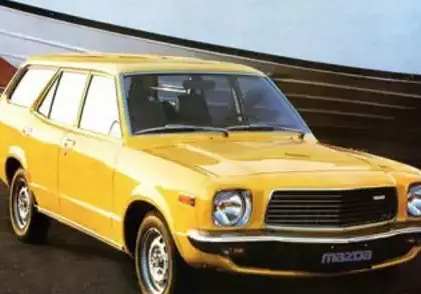
The Mazda 818 Combi 1.6, produced between 1977 and 1978, represents a relatively uncommon variant within the broader Mazda 818 series. Positioned as an entry-level offering in select markets, particularly Europe, this station wagon (estate) version aimed to provide practical, affordable transportation. The 818 series itself was a rebadged version of the Ford Cortina Mk IV, a result of Mazda’s partnership with Ford during this period. The Combi body style, offering increased cargo capacity, distinguished it from the standard saloon (sedan) models. While not widely exported to North America, the 818 Combi 1.6 holds a unique place in Mazda’s history as an example of their early foray into offering practical, family-oriented vehicles.
Technical Specifications
| Brand | Mazda |
| Model | 818 Combi |
| Generation | 818 Combi |
| Type (Engine) | 1.6 (75 Hp) |
| Start of production | 1977 |
| End of production | 1978 |
| Powertrain Architecture | Internal Combustion engine |
| Body type | Station wagon (estate) |
| Fuel Type | Petrol (Gasoline) |
| Power | 75 Hp |
| Engine aspiration | Naturally aspirated engine |
Powertrain & Engine Architecture
The Mazda 818 Combi 1.6 was powered by a 1.6-liter inline-four cylinder engine. This engine, derived from Ford’s ‘Pinto’ engine family, was a common powerplant in European Ford and Mazda vehicles of the era. While specific engine codes varied depending on the market, it generally featured a single overhead camshaft (SOHC) valvetrain and a two-barrel carburetor. The 75 horsepower output was achieved at approximately 5,600 rpm, with peak torque of around 95 lb-ft at 3,000 rpm. The engine’s design prioritized fuel economy and reliability over outright performance. The 818 Combi 1.6 was typically equipped with a four-speed manual transmission, although a three-speed automatic transmission was also offered as an option, albeit less common. The automatic transmission, while providing ease of use, noticeably impacted acceleration and fuel consumption. The engine block was cast iron, contributing to its durability, while the cylinder head was aluminum, helping to reduce weight.
Driving Characteristics
The driving experience in the 818 Combi 1.6 was characterized by its practicality and ease of use, rather than sporty performance. With 75 horsepower propelling a relatively heavy station wagon, acceleration was modest. The 0-60 mph time was estimated to be around 14-16 seconds, depending on the transmission. The manual transmission offered a more engaging driving experience and allowed for better control over the engine’s power. The automatic transmission, while convenient, resulted in sluggish acceleration and a tendency for the engine to ‘hunt’ for the correct gear, particularly when climbing hills. The suspension, consisting of MacPherson struts at the front and a leaf spring rear suspension, provided a comfortable ride, but handling was somewhat imprecise compared to more modern vehicles. Steering was unassisted, requiring a reasonable amount of effort, especially at low speeds. The Combi’s larger size and increased weight compared to the saloon version were noticeable during cornering.
Equipment & Trim Levels
The 818 Combi 1.6 was generally offered with a fairly basic level of equipment, reflecting its position as an entry-level model. Standard features typically included cloth upholstery, vinyl floor covering, and basic instrumentation consisting of a speedometer, fuel gauge, and temperature gauge. A heater was standard, but air conditioning was rarely fitted, even as an option. Trim levels were relatively limited. The exterior typically featured black plastic trim and chrome bumpers. Optional extras included a radio, upgraded upholstery, and occasionally, a sunroof. The interior design was functional and utilitarian, prioritizing practicality over luxury. The dashboard layout was simple and straightforward, with easily accessible controls.
Chassis & Braking
The 818 Combi 1.6 utilized a body-on-frame construction, common for vehicles of that era. The chassis was based on the Ford Cortina Mk IV platform. The front suspension featured MacPherson struts, coil springs, and an anti-roll bar. The rear suspension employed a leaf spring setup, which provided a comfortable ride but limited handling precision. Braking was typically accomplished with disc brakes at the front and drum brakes at the rear. The braking system was adequate for normal driving conditions, but lacked the stopping power of more modern vehicles. Steering was a recirculating ball system, providing a relatively indirect steering feel. The Combi’s increased weight compared to the saloon version necessitated a slightly heavier-duty suspension setup.
Market Reception & Comparison
The Mazda 818 Combi 1.6 received mixed reviews from automotive critics. While praised for its practicality and affordability, it was often criticized for its lack of performance and somewhat dated design. Compared to other station wagons available in Europe at the time, such as the Volvo 145 or the Opel Caravan, the 818 Combi 1.6 offered a more affordable alternative, but lacked the refinement and performance of its competitors. Within the 818 lineup, the 1.6-liter engine was the least powerful option. The 2.0-liter versions offered significantly more performance, but at a higher price point. Fuel economy was reasonable for the era, averaging around 25-30 mpg. Reliability was generally good, although the Pinto engine was known to be susceptible to overheating if not properly maintained. The automatic transmission, while convenient, was considered less reliable than the manual transmission.
Legacy
The Mazda 818 Combi 1.6, while not a particularly groundbreaking vehicle, represents an important chapter in Mazda’s history. It demonstrated their ability to adapt and rebadge existing platforms to create vehicles tailored to specific markets. Today, the 818 Combi 1.6 is a relatively rare and sought-after classic car, particularly among enthusiasts of Ford and Mazda vehicles from the 1970s. The 1.6-liter engine, while not known for its power, is generally considered reliable and relatively easy to maintain. Parts availability can be a challenge, as many components are specific to the 818 series. Well-maintained examples of the 818 Combi 1.6 are increasingly valuable, appealing to collectors and those seeking a unique and practical classic vehicle. The car’s simplicity and robust construction contribute to its enduring appeal, making it a charming reminder of a bygone era in automotive design.
