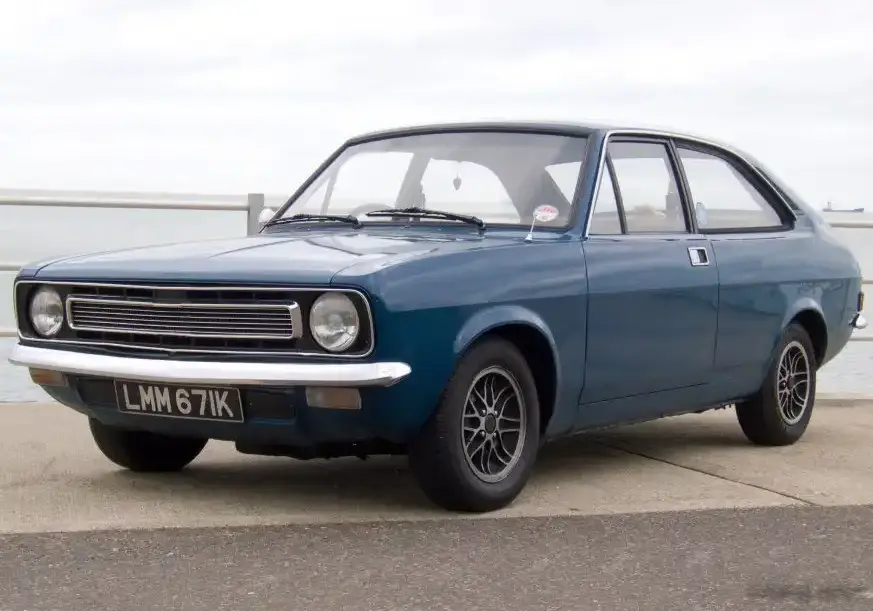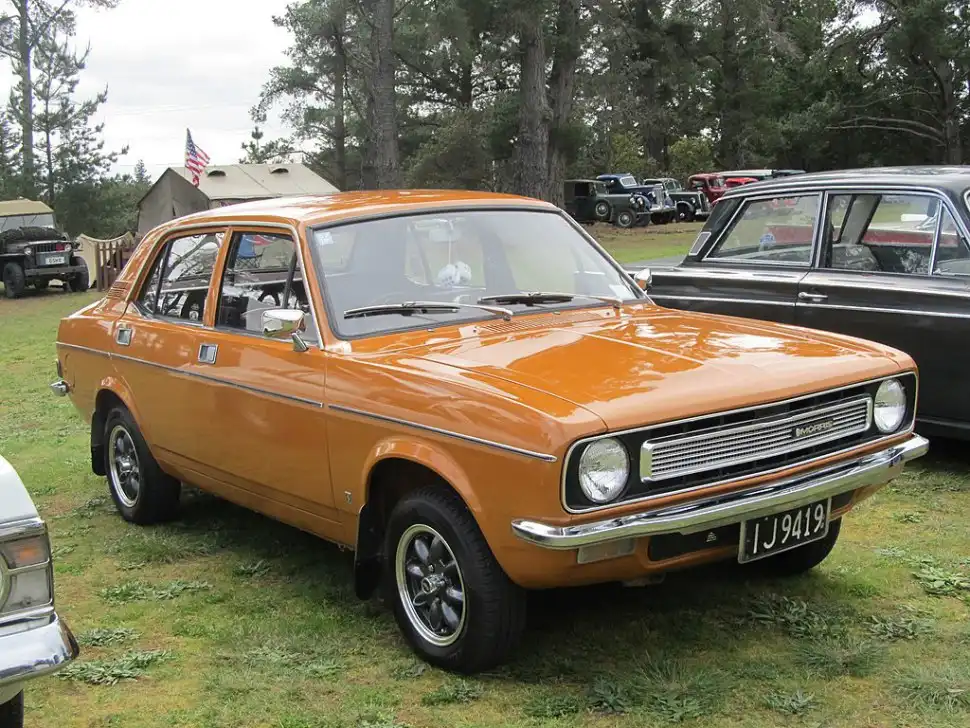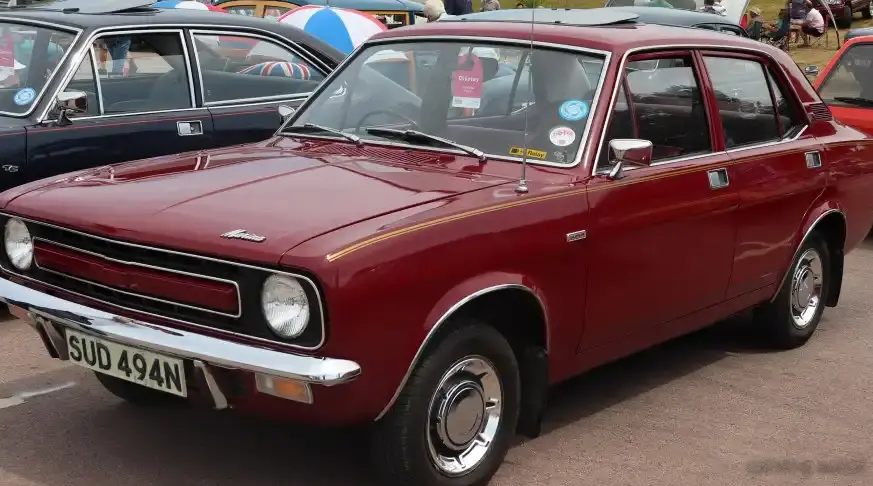
The Morris Marina 1800 HL, produced between 1975 and 1978, represented a mid-range offering within the first generation of the Marina line. Launched in 1973 by British Leyland, the Marina was intended as a modern, mass-market family car to replace the aging Morris Minor and compete with rivals like the Ford Cortina and Vauxhall Victor. The 1800 HL trim, powered by a 1.8-liter engine producing 95 horsepower, aimed to provide a balance of performance and affordability, slotting above the base models and below the more luxurious Super trims. It was a crucial part of British Leyland’s attempt to rationalize its sprawling model range and offer a competitive vehicle in a challenging automotive market.
Technical Specifications
| Brand | Morris |
| Model | Marina |
| Generation | Marina I |
| Type (Engine) | 1800 HL (95 Hp) |
| Start of Production | 1975 |
| End of Production | 1978 |
| Powertrain Architecture | Internal Combustion Engine |
| Body Type | Sedan |
| Fuel Type | Petrol (Gasoline) |
| Power | 95 Hp |
| Engine Aspiration | Naturally Aspirated |
Powertrain & Engine Architecture
The heart of the Marina 1800 HL was the B-Series engine, specifically the 1800cc (1798cc) version. This engine, a four-cylinder inline unit, had roots stretching back to the 1950s, but had undergone numerous revisions over the years. The 1800cc variant featured a cast iron block and cylinder head, with a single overhead camshaft operating the valves. Fuel delivery was managed by a Zenith 36mm carburetor, a relatively simple system for the time. While not particularly advanced, the carburetor provided adequate fuel atomization for the engine’s modest power output. The engine’s compression ratio was 8.5:1. The 95 horsepower was achieved at 5,000 rpm, with peak torque of 109 lb-ft arriving at 3,000 rpm. The transmission paired with the 1800 HL was typically a four-speed manual, but a Borg-Warner three-speed automatic transmission was also offered, and is the focus of this article. This automatic, while providing convenience, did impact performance and fuel economy. The automatic transmission was known for its smooth, if somewhat leisurely, shifts. It wasn’t a particularly sophisticated unit by modern standards, but it was reliable and suited the car’s intended purpose as a comfortable family saloon.
Driving Characteristics
The Marina 1800 HL with the automatic transmission offered a comfortable, but not particularly sporty, driving experience. Acceleration was adequate for everyday driving, with a 0-60 mph time of around 14-15 seconds. The automatic transmission’s gear ratios were geared towards fuel efficiency and smooth cruising rather than outright performance. The car felt somewhat sluggish when attempting quick overtaking maneuvers, requiring careful planning. Compared to the manual transmission versions, the automatic suffered a noticeable performance penalty. The manual offered quicker acceleration and a more engaging driving experience. However, the automatic provided a level of convenience that appealed to many buyers, particularly those who primarily used the car for commuting or family trips. The steering was light and easy, making it maneuverable in urban environments, but lacked the precision of some of its rivals. The suspension, while comfortable, could feel a bit wallowy on uneven surfaces.
Equipment & Trim Levels
The “HL” designation indicated a higher level of trim compared to the base Marina models. Standard equipment on the 1800 HL typically included cloth upholstery, a wood-effect dashboard trim, and a more comprehensive instrument panel. Features like a heater, windscreen washers, and a basic radio were also standard. Optional extras included a vinyl roof, upgraded upholstery, and a more powerful radio. The interior was functional and reasonably well-appointed for a car in its price range, but the materials were generally of modest quality. The HL trim aimed to provide a touch of refinement without significantly increasing the price. The seats were generally comfortable, offering adequate support for longer journeys. The dashboard layout was straightforward and easy to use, with clearly labeled controls.
Chassis & Braking
The Marina utilized a conventional body-on-frame construction, which was becoming increasingly outdated by the mid-1970s. The front suspension consisted of independent wishbones and coil springs, while the rear suspension employed a live axle with leaf springs. This setup provided a comfortable ride, but didn’t offer the handling precision of more modern independent rear suspension systems. Braking was initially provided by Girling disc brakes on the front wheels and drum brakes on the rear. Later models saw the introduction of rear disc brakes on some variants, but the 1800 HL typically retained the drum setup. The brakes were adequate for normal driving conditions, but lacked the stopping power of more advanced systems. The steering was a cam-and-pebble type, which was relatively light but lacked feedback.
Market Reception & Comparison
The Marina 1800 HL received mixed reviews from automotive critics. It was generally praised for its affordability and comfortable ride, but criticized for its outdated design, lackluster performance (particularly with the automatic transmission), and questionable build quality. Compared to rivals like the Ford Cortina and Vauxhall Victor, the Marina was often seen as being less refined and less enjoyable to drive. However, it was typically cheaper to buy and maintain. Fuel economy with the automatic transmission was around 22-26 mpg, which was fairly typical for a car of its size and era. Reliability was a recurring concern, with reports of issues with the engine, transmission, and electrical systems. The 1.8-liter engine, while generally robust, was prone to oil leaks and overheating if not properly maintained. The automatic transmission, while reliable, could suffer from wear and tear over time.
Legacy
The Morris Marina, and the 1800 HL variant, ultimately failed to achieve the sales success that British Leyland had hoped for. Production ceased in 1984, replaced by the Austin Montego. Today, the Marina 1800 HL is a relatively rare sight on the roads. While not highly sought after by collectors, well-maintained examples are gaining a following among enthusiasts of classic British cars. The 1800cc engine, while not a technological masterpiece, is relatively easy to maintain and parts are still available. The automatic transmission, however, can be more challenging to repair. The car’s legacy is one of a well-intentioned but ultimately flawed attempt to create a competitive family car. It serves as a reminder of the challenges faced by British Leyland in the 1970s and the difficulties of competing in a rapidly evolving automotive market. The 1800 HL, in particular, represents a compromise between performance and affordability, offering a comfortable but uninspiring driving experience.