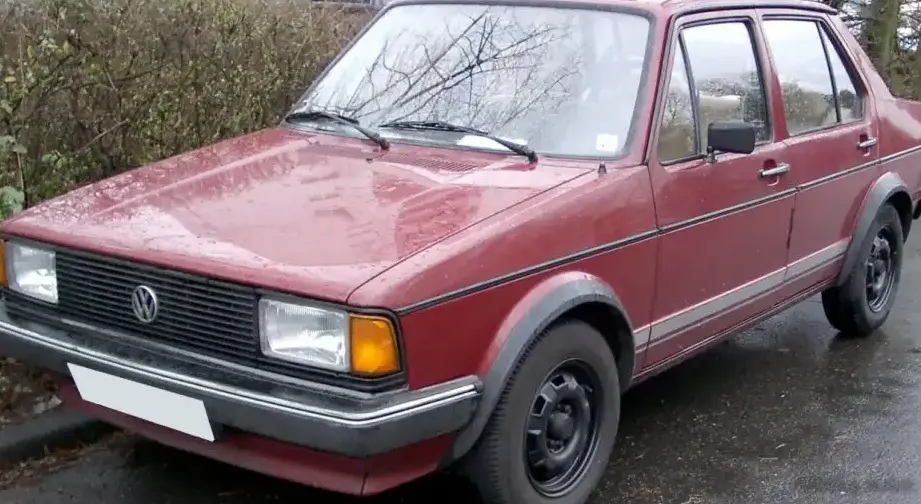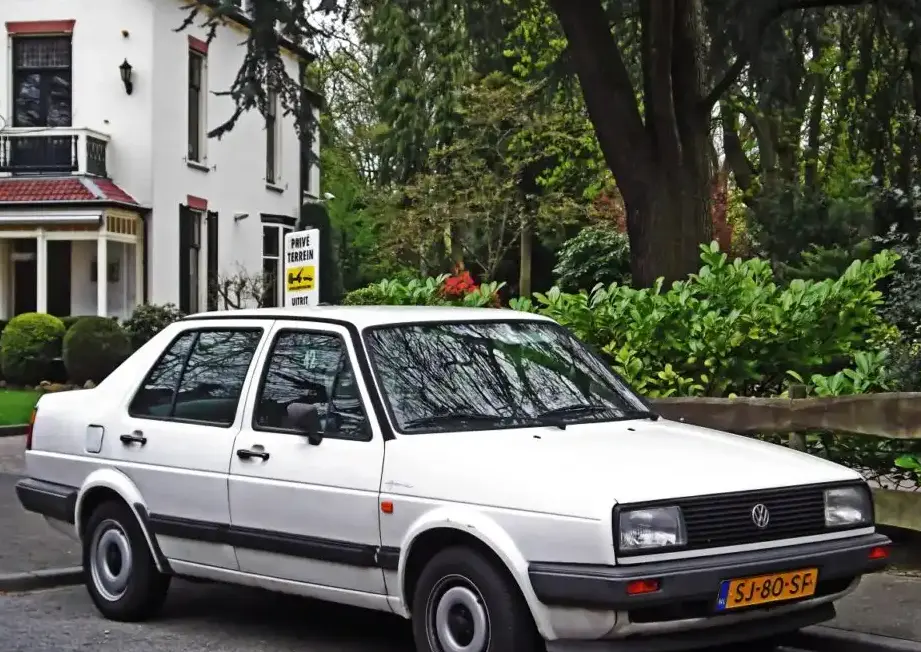
The Volkswagen Jetta II 1.8 CAT (90 hp) represents a significant iteration within the second generation of Volkswagen’s popular compact sedan. Produced from 1986 to 1987, this variant occupied a crucial position in the Jetta II lineup, offering a balance between affordability, fuel efficiency, and everyday usability. It was built on the A2 platform, shared with the Golf Mk2, Scirocco Mk2, and Passat B2, and aimed to provide a comfortable and practical transportation solution for a broad range of buyers. The “CAT” designation refers to the catalytic converter equipped to meet increasingly stringent emissions standards of the time.
Technical Specifications
| Brand | Volkswagen |
| Model | Jetta |
| Generation | Jetta II |
| Type (Engine) | 1.8 CAT (90 Hp) |
| Start of production | 1986 |
| End of production | 1987 |
| Powertrain Architecture | Internal Combustion engine |
| Body type | Sedan |
| Seats | 5 |
| Doors | 4 |
| Fuel Type | Petrol (Gasoline) |
| Power | 90 Hp |
| Engine Model/Code | RP |
| Engine aspiration | Naturally aspirated engine |
| Engine oil capacity | 4 l (4.23 US qt | 3.52 UK qt) |
| Coolant capacity | 6.5 l (6.87 US qt | 5.72 UK qt) |
| Trunk (boot) space – minimum | 575 l (20.31 cu. ft.) |
| Fuel tank capacity | 55 l (14.53 US gal | 12.1 UK gal) |
| Length | 4385 mm (172.64 in.) |
| Width | 1675 mm (65.94 in.) |
| Height | 1415 mm (55.71 in.) |
| Wheelbase | 2475 mm (97.44 in.) |
| Drag coefficient (Cd) | 0.36 |
| Drive wheel | Front wheel drive |
Powertrain & Engine Architecture
The heart of the Jetta II 1.8 CAT was the Volkswagen RP engine, an 1.8-liter inline-four cylinder powerplant. This engine was a naturally aspirated unit, utilizing Bosch mechanical fuel injection – a system common for the era, offering a compromise between cost and performance. The RP engine featured a single overhead camshaft (SOHC) valvetrain with two valves per cylinder. The catalytic converter, a key component denoted by the “CAT” in the model name, was implemented to reduce harmful emissions, becoming increasingly important in the mid-1980s. The engine produced 90 horsepower and approximately 109 lb-ft of torque. This power was delivered to the front wheels through a three-speed automatic transmission, a popular choice for buyers prioritizing convenience over outright performance.
Driving Characteristics
The 1.8L automatic Jetta II offered a comfortable, if not particularly sporty, driving experience. The three-speed automatic transmission, while providing smooth shifts, resulted in relatively leisurely acceleration. Compared to the five-speed manual versions of the 1.8, the automatic suffered a noticeable performance deficit. The gear ratios were optimized for fuel economy and cruising, rather than rapid acceleration. The automatic transmission did, however, make the Jetta II more accessible to a wider range of drivers, particularly those unfamiliar or uncomfortable with manual gearboxes. The car’s handling was predictable and safe, typical of front-wheel-drive vehicles of the period, but lacked the agility of more performance-oriented models like the GTI.
Equipment & Trim Levels
The 1.8 CAT automatic Jetta II typically represented a mid-range trim level. Standard equipment generally included cloth upholstery, a basic AM/FM radio, and manual windows and locks. Power steering was often included, but air conditioning was frequently an optional extra. Interior trim was generally functional and durable, reflecting the car’s focus on practicality. Optional extras could include upgraded audio systems, sunroofs, and alloy wheels. The dashboard layout was straightforward and easy to use, with clearly marked gauges and controls. The Jetta II offered a reasonable level of comfort for its price point, making it a popular choice for families and commuters.
Chassis & Braking
The Jetta II utilized a MacPherson strut front suspension and a torsion beam rear suspension. This setup provided a good balance between ride comfort and handling. The front suspension incorporated stabilizer bars to reduce body roll during cornering. Braking was typically accomplished with disc brakes on the front wheels and drum brakes on the rear. This configuration was common for vehicles in this class during the 1980s. The braking system was adequate for everyday driving, but lacked the stopping power of more modern systems. The Jetta II’s chassis was relatively lightweight, contributing to its fuel efficiency and manageable handling characteristics.
Market Reception & Comparison
The Jetta II 1.8 CAT automatic was generally well-received by automotive critics as a practical and affordable family sedan. While not praised for its performance, it was recognized for its fuel efficiency, comfortable ride, and reasonable price. Compared to the more powerful Jetta GLI models (often equipped with the 1.8L 16V engine), the 1.8 CAT automatic offered significantly less performance but at a lower purchase price. The 1.8 CAT also differed from the diesel-powered Jetta models, which prioritized fuel economy over outright power. The automatic transmission, while convenient, was often criticized for diminishing the engine’s performance and reducing fuel economy compared to the manual transmission options. However, it remained a popular choice for buyers seeking a hassle-free driving experience.
Legacy
The Volkswagen Jetta II 1.8 CAT automatic, while not a particularly rare or collectible variant, holds a place in automotive history as a representative example of 1980s compact sedan design. The RP engine, while relatively simple, proved to be reasonably reliable with proper maintenance. Today, these vehicles are increasingly sought after by enthusiasts and collectors, particularly those interested in preserving a piece of automotive history. Finding well-maintained examples can be challenging, as many have succumbed to rust or neglect. However, the Jetta II’s simple mechanical design and readily available parts make it a relatively easy vehicle to maintain and restore. The 1.8 CAT automatic remains a testament to Volkswagen’s commitment to building practical, affordable, and reliable automobiles.