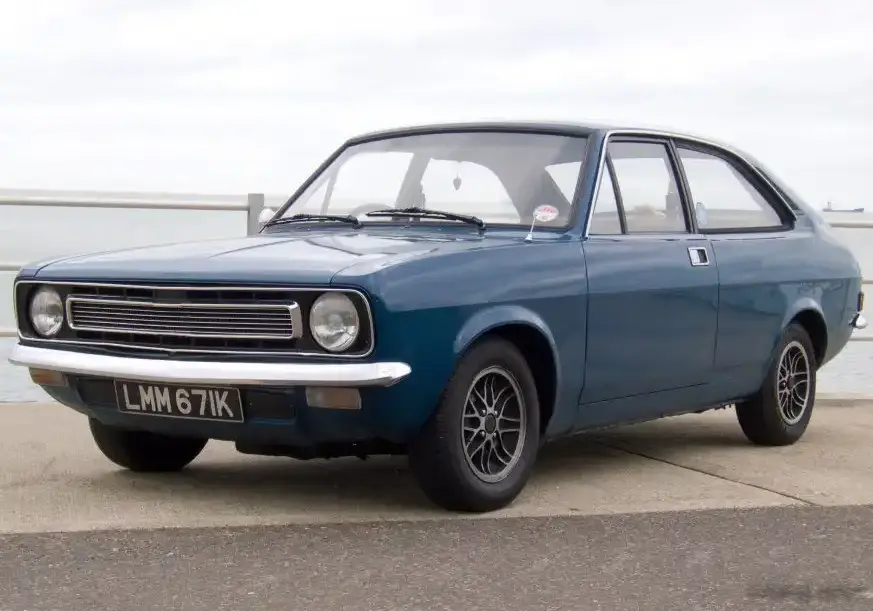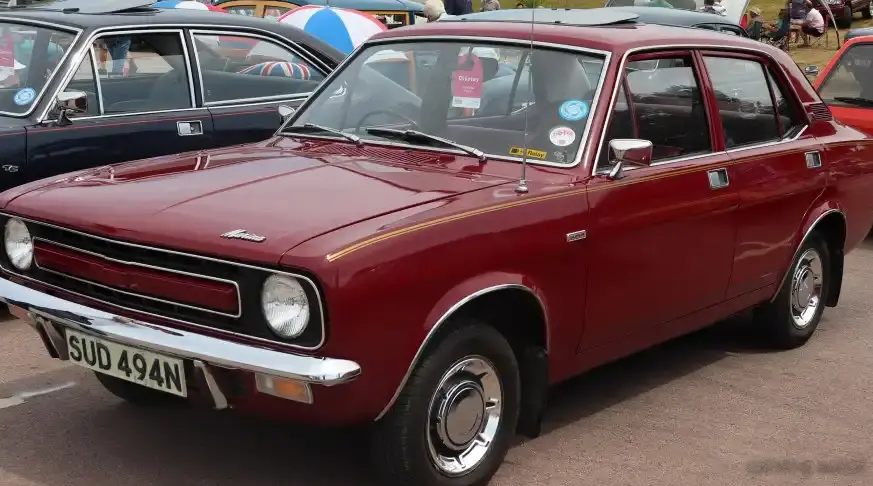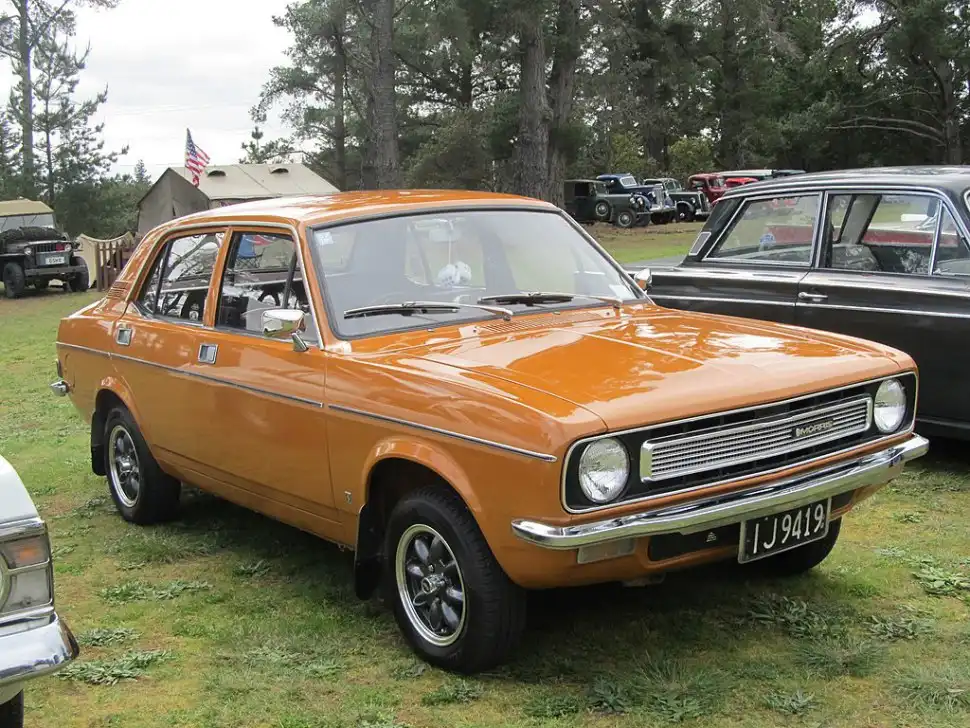
The Morris Marina II 1800, produced between 1975 and 1978, represented a mid-range offering within the broader Morris Marina lineup. Launched as part of the Marina II facelift, this variant aimed to provide a balance between affordability and acceptable performance for the British family car market. The Marina itself was a significant vehicle for British Leyland, intended to consolidate production and replace a range of older models. The 1800, with its 73 horsepower engine, occupied a position between the base models with smaller engines and the more powerful, though less common, 1.7-liter versions. It was primarily a domestic market vehicle, with limited export sales.
Technical Specifications
| Brand | Morris |
| Model | Marina |
| Generation | Marina II |
| Type (Engine) | 1800 (73 Hp) |
| Start of Production | 1975 |
| End of Production | 1978 |
| Powertrain Architecture | Internal Combustion Engine |
| Body Type | Sedan |
| Fuel Type | Petrol (Gasoline) |
| Power | 73 Hp |
| Engine Aspiration | Naturally Aspirated |
Powertrain & Engine Architecture
The Morris Marina II 1800 was powered by the B-Series engine, specifically the 1798cc (approximately 1.8 liters) four-cylinder unit. This engine, while a long-running and relatively robust design, was in its later stages of development by the mid-1970s. It featured a cast iron block and cylinder head, with a single overhead camshaft operating the valves. The engine utilized a Zenith-Stromberg carburetor for fuel delivery, a common setup for British cars of the era. The 73 horsepower output was achieved at approximately 5,000 rpm, with peak torque of around 109 lb-ft at 3,000 rpm. The Marina 1800 was typically equipped with a Borg Warner automatic transmission, a three-speed unit. This transmission, while providing convenience, was known for being somewhat sluggish in operation and contributing to lower fuel economy compared to the manual transmission options.
Driving Characteristics
The driving experience in a Marina II 1800 with the automatic transmission was characterized by relaxed, but not particularly brisk, performance. Acceleration was adequate for everyday driving, but overtaking required careful planning. The automatic transmission’s gear ratios were geared towards fuel economy and smooth cruising rather than outright speed. The three-speed automatic meant relatively large jumps between gears, and the transmission could feel hesitant when downshifting. Compared to the manual transmission versions of the 1800, the automatic suffered a noticeable performance penalty. The manual versions, being lighter and offering more direct control, felt more responsive. The 1.7-liter versions, while offering slightly less displacement, often felt more lively due to their lighter weight and more modern engine design. The suspension, while comfortable, was not particularly sporty, resulting in noticeable body roll during cornering.
Equipment & Trim Levels
The Morris Marina II 1800, as a mid-range model, offered a reasonable level of standard equipment. Typically, it included cloth upholstery, a basic instrument panel with speedometer, fuel gauge, and temperature gauge, and a four-spoke steering wheel. Features like a radio were often optional extras. The interior trim was generally functional rather than luxurious, reflecting the car’s price point. Available options included a vinyl roof, upgraded seat fabrics, and a more comprehensive instrument cluster. The Marina II facelift brought some minor interior refinements compared to the original Marina, including a slightly revised dashboard layout and improved seat comfort. The 1800 trim level often sat above the base models, which featured simpler interiors and less equipment, but below the more luxurious trims that might have included features like electric windows or upgraded audio systems.
Chassis & Braking
The Morris Marina II utilized a conventional body-on-frame construction, which was becoming increasingly outdated by the mid-1970s. The front suspension consisted of independent wishbones and coil springs, while the rear suspension employed a live axle with leaf springs. This setup provided a comfortable ride, but didn’t offer the handling precision of more modern independent rear suspension systems. Braking was typically accomplished with disc brakes on the front wheels and drum brakes on the rear. The braking system was adequate for normal driving conditions, but lacked the stopping power and fade resistance of more advanced systems. Stabilizer bars were fitted to improve handling, but their effectiveness was limited by the car’s overall design and weight distribution. The steering was a recirculating ball system, which provided a relatively heavy feel but was considered reliable.
Market Reception & Comparison
The Morris Marina II 1800 received mixed reviews from automotive critics. While it was praised for its affordability and comfortable ride, it was often criticized for its dated design, sluggish performance (particularly with the automatic transmission), and somewhat unrefined driving experience. Compared to its contemporaries, such as the Ford Cortina and Vauxhall Victor, the Marina was often seen as being less sophisticated. However, it offered a competitive price point and a spacious interior, which appealed to budget-conscious buyers. Fuel economy was average for the time, around 22-26 mpg, but the automatic transmission reduced this figure compared to the manual versions. Reliability was generally acceptable, but the Marina suffered from a reputation for rust, particularly in areas exposed to harsh weather conditions. The 1.8-liter engine was generally considered more durable than the smaller engines offered in the Marina range.
Legacy
The Morris Marina II 1800, while not a groundbreaking vehicle, played a significant role in the British automotive landscape of the 1970s. It provided affordable transportation for a large segment of the population. Today, the Marina II 1800 is a relatively rare sight on the roads, with many examples having succumbed to rust or been scrapped. However, a dedicated following of enthusiasts keeps a number of these cars running. The 1.8-liter engine, while not particularly powerful, is known for its durability and relative simplicity, making it easier to maintain than some of the more complex engines of the era. In the used car market, well-maintained examples of the Marina II 1800 can fetch modest prices, appealing to collectors and those seeking a nostalgic glimpse into British automotive history. The car serves as a reminder of a time when British Leyland dominated the domestic market, and when affordability and practicality were often prioritized over performance and refinement.