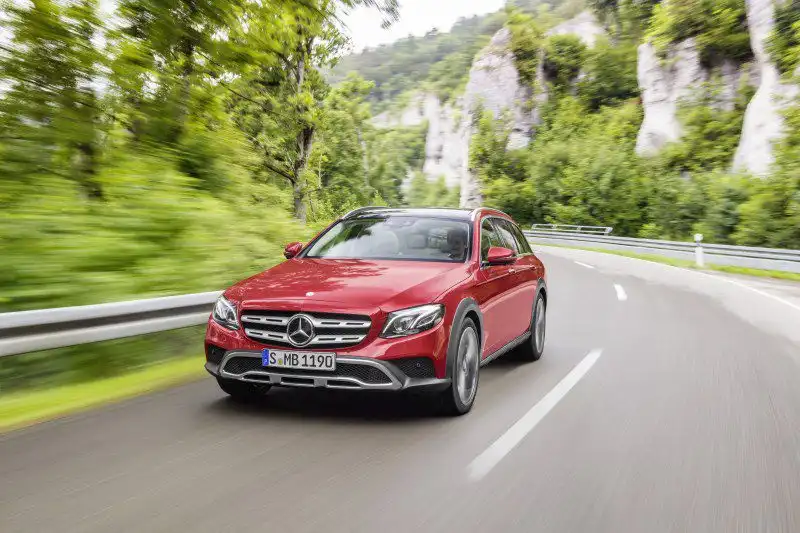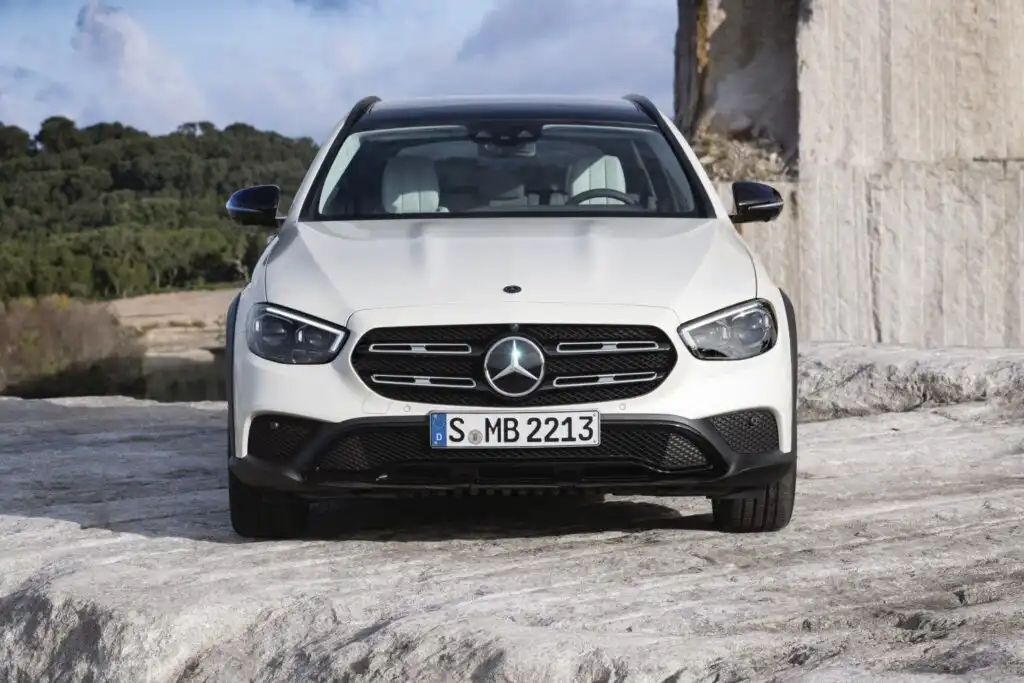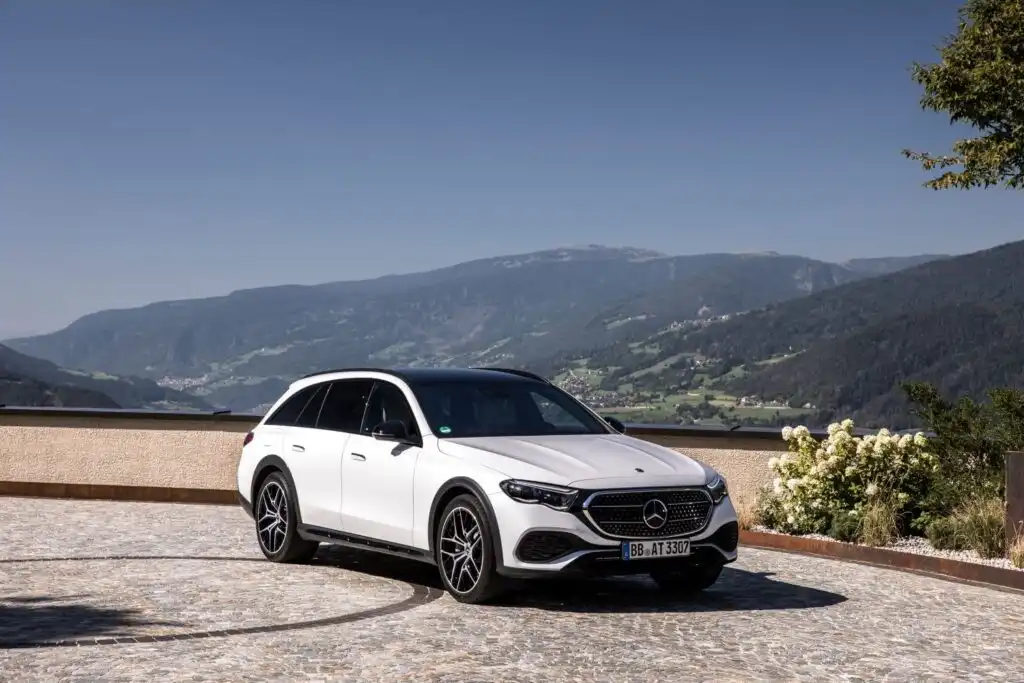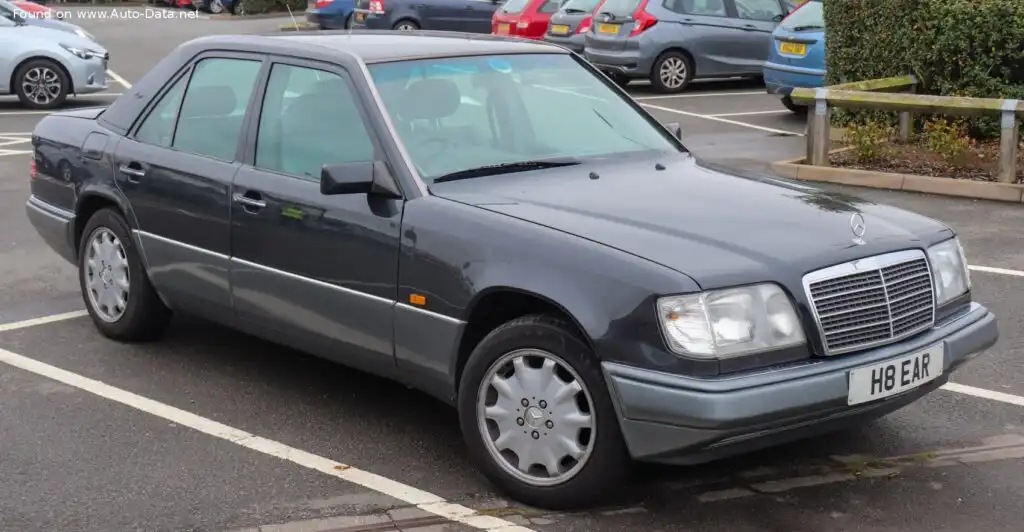
The Mercedes-Benz E 60 AMG, produced between September 1993 and November 1994, represents the pinnacle of performance for the W124 E-Class sedan. Positioned as the flagship model, it was a limited-production, high-performance variant developed by Mercedes-AMG to showcase their engineering capabilities. Built on the robust W124 platform (chassis code 124.034), the E 60 AMG aimed to deliver a blend of luxury, refinement, and exhilarating performance, directly competing with high-performance sedans from BMW and Porsche. It was the first AMG-tuned E-Class to feature a V8 engine, setting a new standard for the model line.
Technical Specifications
| Brand | Mercedes-Benz |
| Model | E-class |
| Generation | E-class (W124) |
| Type | AMG E 60 V8 (381 Hp) Automatic |
| Start of production | September, 1993 |
| End of production | November, 1994 |
| Powertrain Architecture | Internal Combustion engine |
| Body type | Sedan |
| Seats | 5 |
| Doors | 4 |
| Fuel consumption (urban) | 16.1 l/100 km (14.6 US mpg, 17.5 UK mpg, 6.2 km/l) |
| Fuel consumption (extra urban) | 9.9 l/100 km (23.8 US mpg, 28.5 UK mpg, 10.1 km/l) |
| Fuel consumption (combined) | 11.9 l/100 km (19.8 US mpg, 23.7 UK mpg, 8.4 km/l) |
| Fuel Type | Petrol (Gasoline) |
| Acceleration 0 – 100 km/h | 5.4 sec |
| Acceleration 0 – 62 mph | 5.4 sec |
| Acceleration 0 – 60 mph | 5.1 sec |
| Maximum speed | 250 km/h (155.34 mph), Electronically limited |
| Weight-to-power ratio | 4.5 kg/Hp, 222.8 Hp/tonne |
| Weight-to-torque ratio | 3.6 kg/Nm, 274.9 Nm/tonne |
| Power | 381 Hp @ 5600 rpm |
| Power per litre | 64 Hp/l |
| Torque | 470 Nm @ 3900 rpm (346.65 lb.-ft. @ 3900 rpm) |
| Engine layout | Front, Longitudinal |
| Engine Model/Code | M 119 E 60 |
| Engine displacement | 5956 cm3 (363.46 cu. in.) |
| Number of cylinders | 8 |
| Engine configuration | V-engine |
| Cylinder Bore | 100 mm (3.94 in.) |
| Piston Stroke | 94.8 mm (3.73 in.) |
| Compression ratio | 10:1 |
| Number of valves per cylinder | 4 |
| Fuel injection system | Multi-port manifold injection |
| Engine aspiration | Naturally aspirated engine |
| Valvetrain | DOHC |
| Kerb Weight | 1710 kg (3769.9 lbs.) |
| Max. weight | 2160 kg (4761.98 lbs.) |
| Max load | 450 kg (992.08 lbs.) |
| Trunk (boot) space – minimum | 500 l (17.66 cu. ft.) |
| Fuel tank capacity | 90 l (23.78 US gal | 19.8 UK gal) |
| Length | 4750 mm (187.01 in.) |
| Width | 1796 mm (70.71 in.) |
| Height | 1408 mm (55.43 in.) |
| Wheelbase | 2800 mm (110.24 in.) |
| Front track | 1538 mm (60.55 in.) |
| Rear (Back) track | 1529 mm (60.2 in.) |
| Minimum turning circle | 11.7 m (38.39 ft.) |
| Drivetrain Architecture | The Internal combustion engine (ICE) drives the rear wheels of the vehicle. |
| Drive wheel | Rear wheel drive |
| Number of gears and type of gearbox | 4 gears, automatic transmission |
| Front suspension | Spring Strut, Coil spring, Wishbone |
| Rear suspension | Hydro-pneumatic element, Independent multi-link suspension, Coil spring |
| Front brakes | Ventilated discs |
| Rear brakes | Ventilated discs |
| Assisting systems | ABS (Anti-lock braking system) |
| Steering type | Cone worm with recirculation balls |
| Power steering | Hydraulic Steering |
| Tires size | 225/55 ZR16 |
| Wheel rims size | 8J x 16 |
Powertrain & Engine Architecture
The heart of the E 60 AMG is the M119 E 60 engine, a 6.0-liter (5,956 cc) naturally aspirated V8. This engine was based on the M119 engine family, but extensively modified by AMG. Key changes included larger intake ports, high-flow cylinder heads, a more aggressive camshaft profile, and a revised engine management system. The M119 featured a cast-iron block and aluminum cylinder heads, contributing to its durability. Fuel delivery was handled by a Bosch Motronic multi-port fuel injection system. The engine produced 381 horsepower at 5,600 rpm and 470 Nm (346.65 lb-ft) of torque at 3,900 rpm. The engine’s robust construction and relatively conservative tuning (for AMG) contributed to its long-term reliability.
Power is transmitted to the rear wheels through a four-speed automatic transmission (specifically the 722.3). While not as sophisticated as modern automatics, the 722.3 was known for its durability and smooth operation. The transmission was specifically tuned by AMG to complement the engine’s power characteristics, offering relatively quick shifts for the era. The automatic transmission was a key factor in making the E 60 AMG accessible to a wider range of drivers, as a manual transmission was not offered.
Driving Characteristics
The E 60 AMG delivered a markedly different driving experience compared to other W124 E-Class models. The substantial torque output of the V8 engine provided effortless acceleration in virtually any gear. The 0-60 mph sprint was dispatched in approximately 5.1 seconds, making it one of the fastest sedans of its time. While the automatic transmission wasn’t as engaging as a manual, it provided smooth and predictable shifts. The suspension, while retaining the W124’s inherent comfort, was firmer and more controlled, reducing body roll during cornering. The E 60 AMG felt significantly more planted and responsive than the 1.8L or even the 3.2L inline-six versions.
Equipment & Trim Levels
The E 60 AMG came exceptionally well-equipped, reflecting its status as the range-topping model. Standard features included leather upholstery, power-adjustable front seats with memory function, automatic climate control, a premium sound system, and a sunroof. Exterior features included AMG-specific body styling (including a front spoiler, side skirts, and a rear spoiler), five-spoke alloy wheels, and a sport exhaust system. Optional extras included a CD changer, upgraded leather options, and a telephone system.
Chassis & Braking
The E 60 AMG utilized the W124’s independent suspension setup, but with AMG-specific modifications. The front suspension featured coil springs and shock absorbers, while the rear suspension employed a hydro-pneumatic self-leveling system. This system helped maintain a consistent ride height regardless of load. Braking duties were handled by ventilated disc brakes on all four wheels, coupled with an Anti-lock Braking System (ABS). The braking system was upgraded compared to standard W124 models to cope with the increased performance.
Market Reception & Comparison
The E 60 AMG was generally well-received by automotive critics, who praised its powerful engine, refined interior, and comfortable ride. However, some critics noted the relatively high price tag and the lack of a manual transmission option. Compared to the standard E-Class models, the E 60 AMG offered a significant performance upgrade, but at a considerable cost. It competed directly with the BMW 540i and the Porsche 968, offering a different blend of luxury and performance. Fuel economy was predictably poor, averaging around 19.8 US mpg in combined driving.
Legacy
The E 60 AMG holds a special place in Mercedes-Benz history as the first AMG-tuned E-Class with a V8 engine. The M119 engine proved to be remarkably durable, and well-maintained examples continue to provide reliable performance today. The W124 platform is known for its build quality and longevity, contributing to the E 60 AMG’s enduring appeal. In the used car market, the E 60 AMG commands a premium price, particularly for well-preserved, low-mileage examples. It is considered a desirable classic by collectors and enthusiasts alike, representing a unique and potent combination of German engineering and AMG performance.