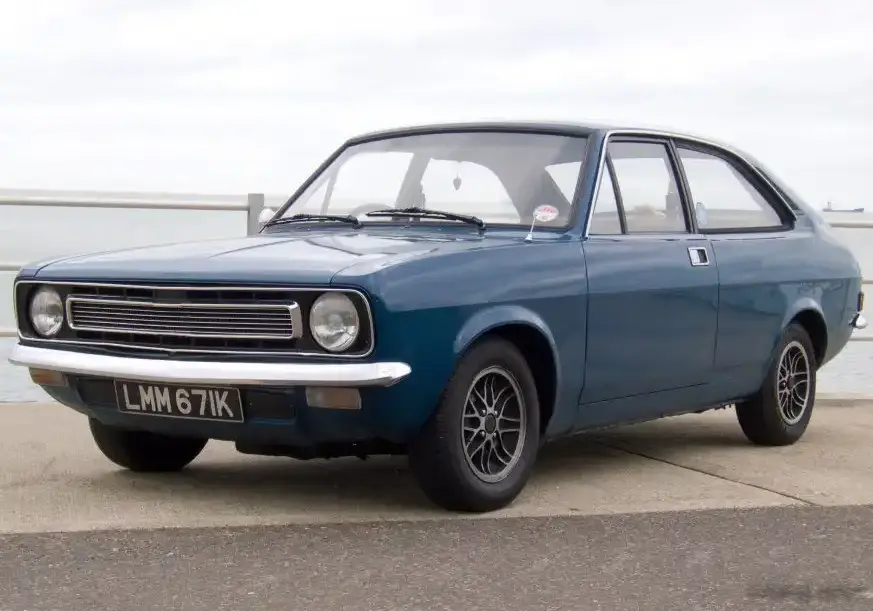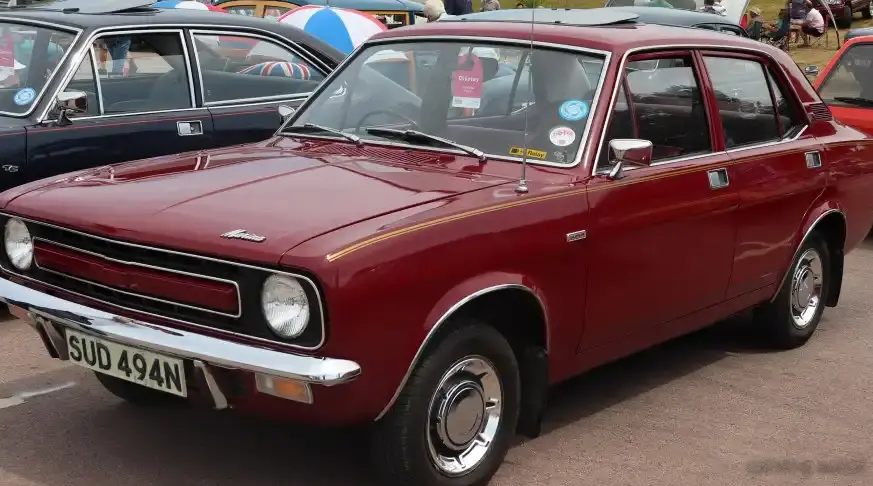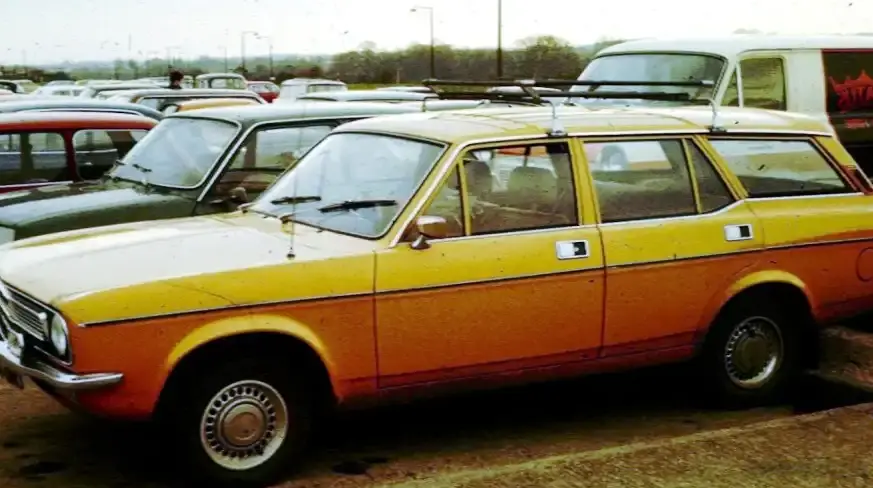
The Morris Marina II Station Wagon 1800, produced between 1975 and 1978, represented a key variant within the second generation of the Morris Marina line. Positioned as a practical family vehicle, the 1800 model offered a balance between affordability and space, catering to a broad segment of the British motoring public. The Marina II, built upon the ADO17 platform, aimed to modernize the aging Morris line-up and provide a competitive offering in the large family car market. This station wagon body style, in particular, was popular for its increased cargo capacity, making it suitable for families and those requiring versatile transportation. The 1800 engine, while not the most powerful in the Marina range, provided adequate performance for everyday driving and was known for its relative simplicity and ease of maintenance.
Technical Specifications
| Brand | Morris |
| Model | Marina |
| Generation | Marina II Station Wagon |
| Type (Engine) | 1800 (78 Hp) |
| Start of Production | 1975 |
| End of Production | 1978 |
| Powertrain Architecture | Internal Combustion Engine |
| Body Type | Station Wagon (Estate) |
| Fuel Type | Petrol (Gasoline) |
| Power | 78 Hp |
| Engine Aspiration | Naturally Aspirated |
Powertrain & Engine Architecture
The heart of the Marina II 1800 Station Wagon was the 1798 cc (approximately 1.8 liters) B-Series inline-four engine. This engine, a long-running design within the British Leyland portfolio, was known for its robustness and relatively straightforward mechanical layout. The 78 horsepower output was achieved through a single Zenith 36mm carburetor, a relatively simple fuel delivery system for the era. The engine featured a single overhead camshaft (SOHC) valvetrain, operating two valves per cylinder. While not a particularly high-revving engine, it produced a reasonable amount of torque at lower RPMs, making it well-suited to the demands of a family car. The transmission paired with the 1800 engine was typically a four-speed manual gearbox, however, an optional Borg-Warner three-speed automatic transmission was also available, and is the focus of this article. This automatic transmission, while providing convenience, did impact performance and fuel economy compared to the manual version. The automatic featured a torque converter and planetary gearsets, offering smooth, if not particularly rapid, gear changes. The engine block was constructed from cast iron, contributing to its durability, while the cylinder head was made of aluminum alloy.
Driving Characteristics
The Morris Marina II 1800 Station Wagon with the automatic transmission offered a comfortable, but not particularly sporty, driving experience. The 78 horsepower engine, coupled with the weight of the station wagon body and the efficiency losses inherent in the automatic transmission, resulted in modest acceleration. 0 to 60 mph times were typically in the 14-16 second range. The automatic transmission’s gear ratios were geared towards providing smooth cruising rather than quick acceleration. The torque converter allowed for a smooth launch from a standstill, but also contributed to a slight “slushiness” in the drivetrain. Compared to the manual transmission versions of the 1800, the automatic felt noticeably slower, particularly when overtaking. However, the automatic transmission did offer a more relaxed driving experience, especially in urban traffic. The suspension, consisting of independent front suspension with coil springs and a live axle rear suspension with leaf springs, provided a reasonably comfortable ride, although it could be prone to body roll in corners. Steering was by a recirculating ball system, which was accurate but lacked the feel of more modern steering technologies.
Equipment & Trim Levels
The Morris Marina II 1800 Station Wagon, even in its base trim, offered a reasonable level of equipment for a family car of the mid-1970s. Standard features typically included cloth upholstery, a heater, and basic instrumentation (speedometer, fuel gauge, temperature gauge). The dashboard layout was functional, if somewhat dated in design. The 1800 Automatic often came with a woodgrain effect on the dashboard as standard. Optional extras included a radio, upgraded upholstery, a sunroof, and tinted glass. Higher trim levels, such as the “Super” or “HL” (High Line) models, added features like reclining front seats, more luxurious upholstery, and additional chrome trim. The station wagon’s interior was spacious, offering ample headroom and legroom for passengers. The rear seats could be folded down to increase cargo capacity, making it a versatile vehicle for carrying luggage or other items. The tailgate was a side-hinged design, which was common for station wagons of the era.
Chassis & Braking
The Marina II utilized a body-on-frame construction, which was becoming less common in the 1970s as unibody construction gained popularity. The chassis provided a robust foundation for the vehicle, but also contributed to its relatively heavy weight. The front suspension featured independent wishbones and coil springs, while the rear suspension employed a live axle with leaf springs. The braking system consisted of disc brakes on the front wheels and drum brakes on the rear wheels. The brakes were hydraulically operated, providing adequate stopping power for normal driving conditions. Stabilizer bars were fitted to both the front and rear axles to reduce body roll during cornering. The steering was a recirculating ball type, offering reasonable accuracy but lacking the direct feel of rack and pinion steering. The tires were typically steel-belted radials, providing a good balance of grip and durability.
Market Reception & Comparison
The Morris Marina II 1800 Station Wagon Automatic received mixed reviews from automotive critics. While praised for its practicality and spaciousness, it was often criticized for its lack of performance and somewhat dated design. Compared to other station wagons in its class, such as the Ford Cortina Estate and the Vauxhall Victor Estate, the Marina II was often seen as being less refined and offering a less engaging driving experience. However, it was generally more affordable than its rivals, making it an attractive option for budget-conscious buyers. Fuel economy was reasonable for the time, but the automatic transmission did reduce fuel efficiency compared to the manual version. Reliability was generally good, thanks to the robust design of the B-Series engine, but the Marina II was not without its issues. Common problems included rust, electrical faults, and wear and tear on the suspension components.
Legacy
The Morris Marina II 1800 Station Wagon, while not a groundbreaking vehicle, played an important role in the British automotive landscape of the 1970s. It provided affordable and practical transportation for many families. Today, the Marina II is a relatively rare sight on the roads, but it has gained a following among classic car enthusiasts. The 1800 engine, in particular, is known for its durability and ease of maintenance, making it a popular choice for restoration projects. The automatic transmission versions, while less desirable to some enthusiasts due to their lower performance, offer a more relaxed driving experience and are often more affordable to purchase. Parts availability can be a challenge, but a network of specialist suppliers exists to support owners of classic Morris Marinas. The Marina II represents a snapshot of British automotive engineering during a period of significant change and economic challenges.