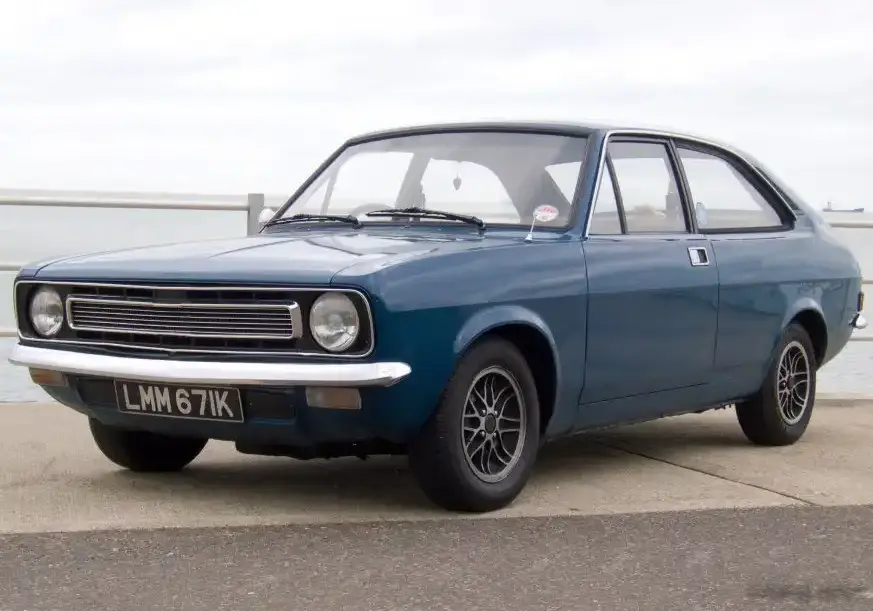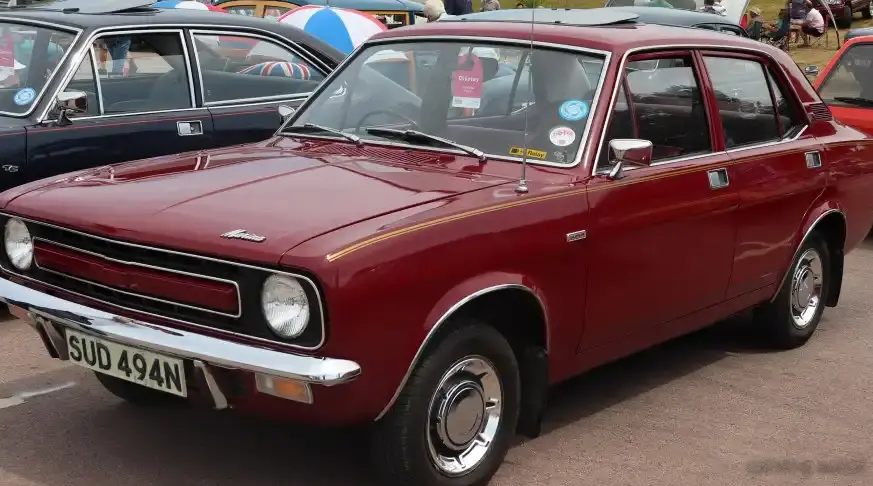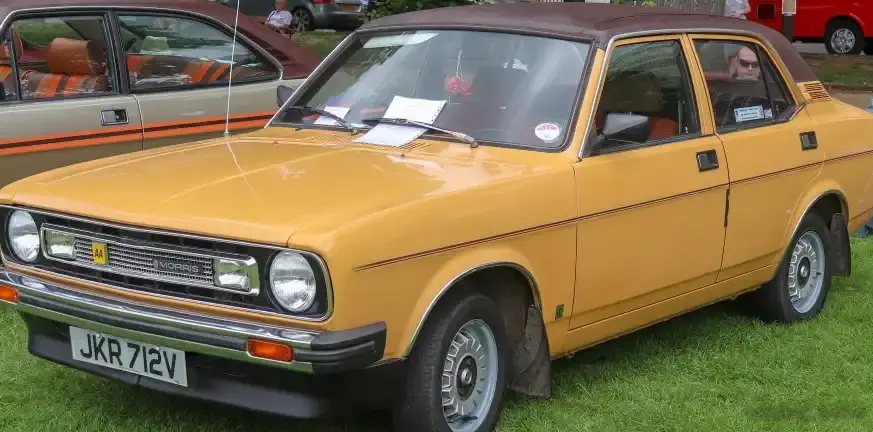
The Morris Marina III 1.3, producing 57 horsepower, was a variant of the Marina range produced between 1978 and 1980. Positioned as the entry-level model within the Marina III lineup, it aimed to provide affordable transportation during a period of economic constraint in the United Kingdom. The Marina itself was a significant vehicle for British Leyland, intended to replace a multitude of aging models from their various brands – Morris, Austin, and Wolseley – with a single, unified platform. The 1.3-liter version represented the most economical and accessible option, prioritizing fuel efficiency over outright performance. It was a direct response to market demand for a low-cost family saloon.
Technical Specifications
| Brand | Morris |
| Model | Marina |
| Generation | Marina III |
| Type (Engine) | 1.3 (57 Hp) |
| Start of Production | 1978 |
| End of Production | 1980 |
| Powertrain Architecture | Internal Combustion Engine |
| Body Type | Sedan |
| Fuel Type | Petrol (Gasoline) |
| Power | 57 Hp |
| Engine Aspiration | Naturally Aspirated |
Powertrain & Engine Architecture
The heart of the Marina III 1.3 was the A-Series engine, a long-running and widely used inline-four cylinder unit. In this application, it displaced 1,275 cc (77.7 cubic inches). The 57 horsepower output was achieved through a relatively low compression ratio and a simple single Zenith 34WE carburetor. The engine featured a pushrod valvetrain, operating with two valves per cylinder. While robust and relatively easy to maintain, the A-Series engine was known for its modest power delivery. The engine was mated to a four-speed manual gearbox as standard, though a Borg-Warner three-speed automatic transmission was offered as an optional extra. The automatic version, while providing convenience, further reduced the car’s already limited acceleration. The engine block was cast iron, contributing to its durability, but also adding to the vehicle’s overall weight. The cooling system was a conventional water-cooled setup with a radiator and thermostat.
Driving Characteristics
The Marina III 1.3 was not designed for spirited driving. Its 57 horsepower and relatively high weight (around 2,200 lbs) resulted in leisurely acceleration. Zero to sixty mph times were typically in the region of 18-20 seconds. The four-speed manual gearbox offered some control over engine speed, allowing drivers to extract the most from the available power. However, the automatic transmission, while smooth, significantly hampered performance. The gear ratios were geared towards economy rather than acceleration. The suspension, consisting of independent front suspension with coil springs and a live axle rear suspension with leaf springs, provided a comfortable, if somewhat imprecise, ride. Steering was by a recirculating ball system, which lacked the precision of more modern rack-and-pinion setups. Braking was accomplished via Girling hydraulic disc brakes on the front wheels and drum brakes on the rear. Overall, the driving experience was best described as functional and undemanding.
Equipment & Trim Levels
The Marina III 1.3 was deliberately kept simple in terms of equipment to keep costs down. Standard features included cloth upholstery, a basic instrument panel with speedometer and fuel gauge, and manually operated windows and door locks. The interior trim was typically vinyl and cloth, available in a limited range of colors. Optional extras included a radio, heater, and upgraded upholstery. The exterior trim was minimal, with black plastic bumpers and chrome detailing. The Marina III 1.3 was generally identifiable by its basic hubcaps and lack of any significant exterior embellishments. The dashboard layout was functional but lacked any aesthetic flair. The steering wheel was a simple two-spoke design. The overall impression was one of practicality and affordability.
Chassis & Braking
The Marina III utilized a monocoque chassis construction, providing a reasonable balance between strength and weight. The front suspension employed independent wishbones and coil springs, while the rear suspension featured a live axle with leaf springs. This configuration was typical for British family saloons of the era. As mentioned previously, braking was provided by Girling disc brakes on the front wheels and drum brakes on the rear. The braking system was adequate for normal driving conditions, but lacked the stopping power of more modern vehicles. The steering was a recirculating ball system, which offered relatively light steering effort but lacked precision. The tires were typically narrow, reflecting the emphasis on fuel economy and affordability. Stabilizer bars were not standard equipment on the 1.3 model, further contributing to its less-than-sporty handling characteristics.
Market Reception & Comparison
The Marina III 1.3 was generally well-received as an affordable and practical family car. Critics acknowledged its low price point but often criticized its lack of performance and somewhat dated design. Compared to its siblings – the 1.8 and 2.0-liter versions – the 1.3 offered significantly less power and refinement. The larger-engined models provided a more enjoyable driving experience, but at a higher cost. The 1.8-liter Marina, for example, offered nearly double the horsepower and a noticeably improved acceleration. In terms of fuel economy, the 1.3-liter version was the most efficient, achieving around 35-40 mpg. However, this came at the expense of performance. The Marina faced competition from other British and European family saloons, such as the Ford Cortina, Vauxhall Cavalier, and Renault 12. The Marina’s relatively low price and simple mechanicals made it an attractive option for budget-conscious buyers.
Legacy
The Morris Marina, and the 1.3 variant specifically, has a somewhat mixed legacy. While it provided affordable transportation for many families, it was often criticized for its build quality and reliability. The A-Series engine, however, proved to be remarkably durable and is still supported by a thriving aftermarket today. The Marina’s simple mechanicals make it relatively easy to maintain and repair. In the used car market, the Marina III 1.3 is now a relatively rare and collectible vehicle, particularly in good condition. Its historical significance as a representative of British Leyland’s attempt to rationalize its model range adds to its appeal. While not a performance icon, the Marina III 1.3 remains a reminder of a bygone era of affordable and practical motoring. Rust is a common issue with surviving examples, requiring careful inspection and restoration work.