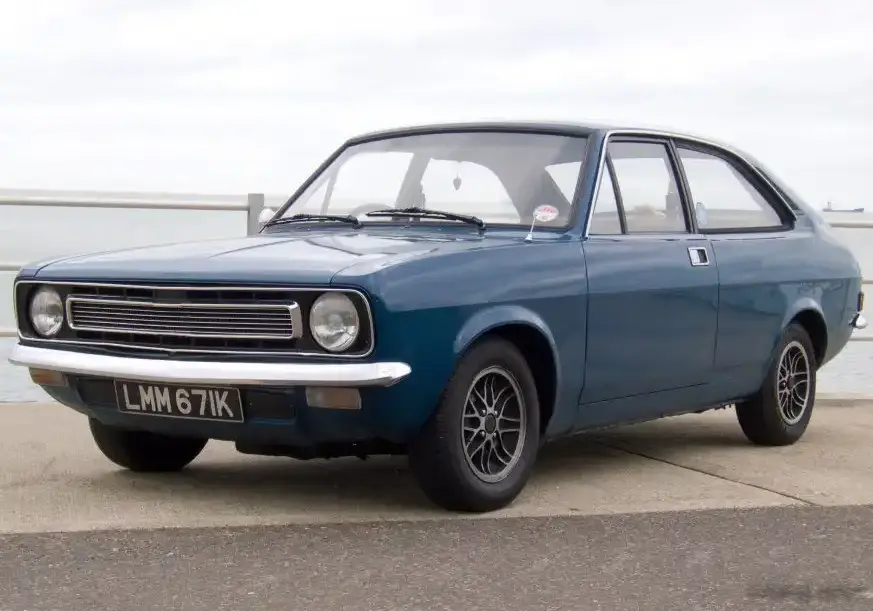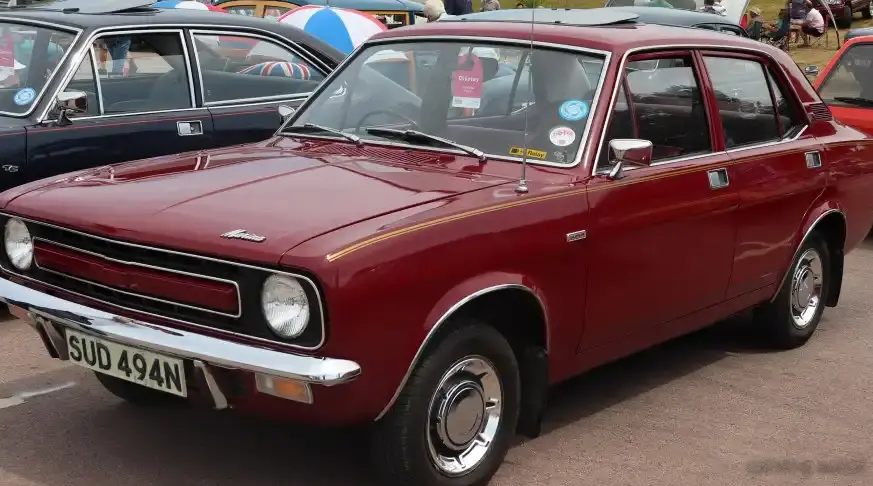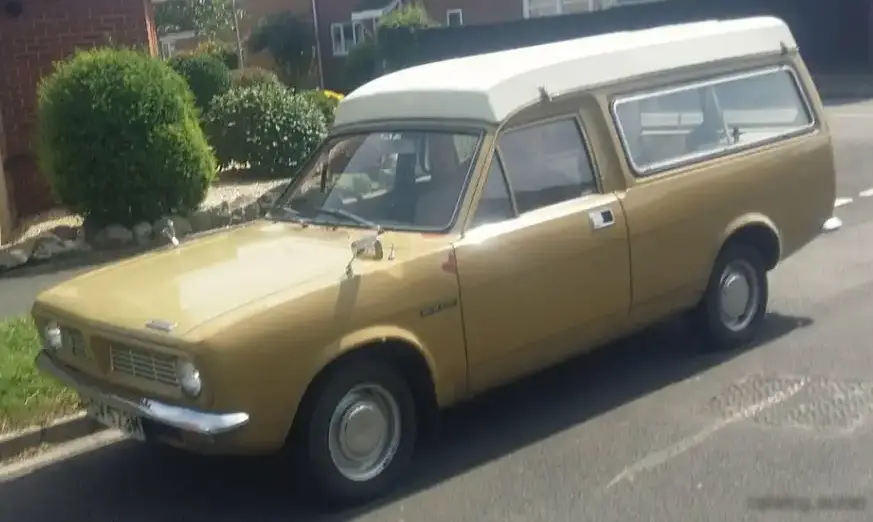
The Morris Marina Station Wagon I 1800, produced between 1971 and 1975, represented a significant offering in the British Leyland portfolio. Positioned as a practical and affordable family vehicle, the Marina aimed to fill a gap in the market for a spacious estate car. This 1800 variant, equipped with a 78 horsepower engine, served as a mid-range option within the Marina lineup, offering a balance between performance and economy. It was part of the initial Marina series (designated the Series 1), built upon a unibody construction and intended to modernize British Leyland’s offerings in the face of increasing competition from European and Japanese imports. The Marina, and specifically the station wagon, was intended to be a volume seller, and its design reflected a focus on practicality and cost-effectiveness.
Technical Specifications
| Brand | Morris |
| Model | Marina |
| Generation | Marina Station Wagon I |
| Type (Engine) | 1800 (78 Hp) |
| Start of Production | 1971 |
| End of Production | 1975 |
| Powertrain Architecture | Internal Combustion Engine |
| Body Type | Station Wagon (Estate) |
| Fuel Type | Petrol (Gasoline) |
| Power | 78 Hp |
| Engine Aspiration | Naturally Aspirated |
Powertrain & Engine Architecture
The heart of the Marina 1800 was the B-Series engine, a 1798 cc (1.8L) inline-four cylinder petrol engine. This engine, while a relatively simple design, was a mainstay of British Leyland production for many years, appearing in various forms across multiple models. The 78 horsepower output was achieved through a single Zenith 36mm carburetor, a relatively basic fuel delivery system for the time. The engine featured a single overhead camshaft (SOHC) valvetrain, operating two valves per cylinder. The B-Series was known for its robustness and relatively easy maintenance, but it wasn’t particularly sophisticated. The engine block was cast iron, contributing to its durability, while the cylinder head was made of aluminum alloy. The Marina 1800 was typically paired with a four-speed manual gearbox, but a Borg-Warner three-speed automatic transmission was also offered, and is the focus of this article. This automatic transmission, while providing convenience, did impact performance and fuel economy compared to the manual version. The automatic featured a torque converter and planetary gearsets, typical of the era.
Driving Characteristics
The Morris Marina 1800 Automatic offered a comfortable, if not particularly exciting, driving experience. With 78 horsepower propelling a relatively heavy station wagon body, acceleration was modest. The three-speed automatic transmission contributed to this, with relatively wide gear ratios. First gear provided adequate launch, but subsequent shifts were spaced out, resulting in a noticeable drop in engine speed between gears. Cruising at highway speeds required the engine to work relatively hard, and overtaking maneuvers demanded careful planning. Compared to the manual transmission version, the automatic suffered a noticeable performance penalty. The manual offered quicker acceleration and a more engaging driving experience. The suspension, consisting of independent front suspension with coil springs and a live axle rear suspension with leaf springs, provided a reasonably comfortable ride, although it could feel somewhat wallowy on uneven surfaces. Steering was by a recirculating ball system, which lacked the precision of more modern rack-and-pinion setups.
Equipment & Trim Levels
The Marina 1800 Automatic occupied a middle ground in the Marina trim hierarchy. It generally included features such as reclining front seats, a heater, and a basic instrument panel. Interior upholstery was typically vinyl, with cloth seat facings available as an option. The dashboard was functional but lacked the aesthetic appeal of some contemporary rivals. Optional extras included a radio, a heated rear window, and a vinyl roof. The trim level could be identified by subtle differences in interior materials and exterior brightwork. The automatic transmission itself was considered a luxury feature at the time, elevating the Marina 1800 above the base models. The station wagon body style, of course, provided a large cargo area, making it a practical choice for families.
Chassis & Braking
The Morris Marina utilized a unibody construction, providing a reasonable balance between strength and weight. The front suspension employed independent wishbones and coil springs, while the rear suspension featured a live axle with leaf springs. This configuration was typical for British family cars of the era. Braking was initially provided by Girling hydraulic disc brakes on the front wheels and drum brakes on the rear. Later models saw the introduction of rear disc brakes on some trims, but the 1800 Automatic typically retained the rear drum setup. The braking system was adequate for normal driving conditions, but lacked the stopping power of more modern systems. Steering was a recirculating ball type, offering relatively light steering effort but lacking precision. The Marina’s chassis was designed for affordability and ease of manufacture, rather than outright sporting performance.
Market Reception & Comparison
The Morris Marina 1800 Automatic received a mixed reception from automotive critics. While praised for its spaciousness and practicality, it was often criticized for its lack of refinement and underwhelming performance, particularly with the automatic transmission. Compared to rivals such as the Ford Cortina and Vauxhall Victor, the Marina was often seen as being less sophisticated and offering a less engaging driving experience. However, it was generally more affordable than these competitors. Fuel economy was also a concern, with the 1800 Automatic returning around 20-25 miles per gallon in real-world driving. The manual transmission version offered better fuel economy and performance. Reliability was also a mixed bag, with some owners reporting issues with the B-Series engine and the automatic transmission. However, the engine’s simplicity made it relatively easy to repair.
Legacy
The Morris Marina, despite its shortcomings, sold in significant numbers and played an important role in the British automotive landscape of the 1970s. The 1800 Automatic, while not the most desirable version, offered a convenient and practical option for families. Today, the Marina is a relatively rare sight on the roads, but it has a dedicated following among classic car enthusiasts. The B-Series engine remains a relatively simple and robust unit, and parts availability is generally good. The automatic transmission, however, can be a weak point, and finding a well-maintained example can be challenging. The Marina’s legacy is one of affordability, practicality, and a reflection of the challenges faced by British Leyland in a rapidly changing automotive market. Well-preserved examples are now sought after by collectors, representing a nostalgic reminder of a bygone era of British motoring.