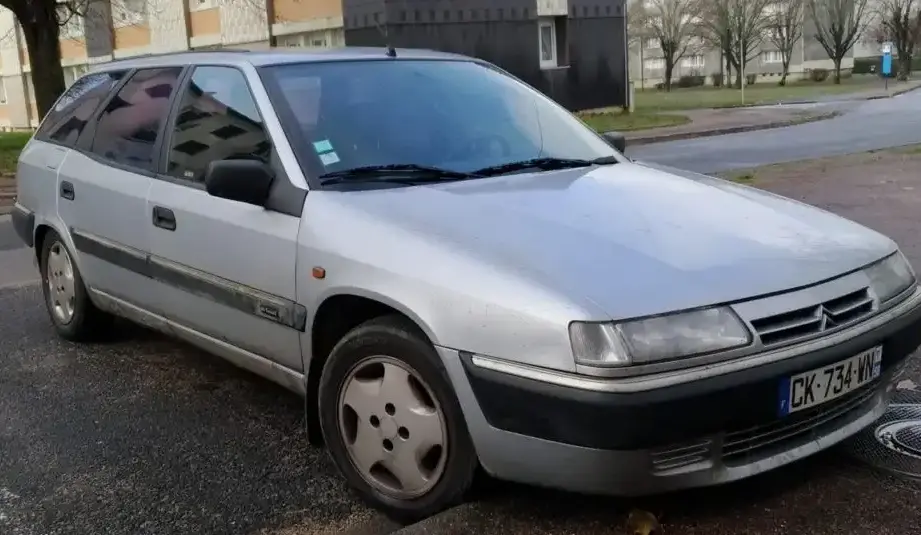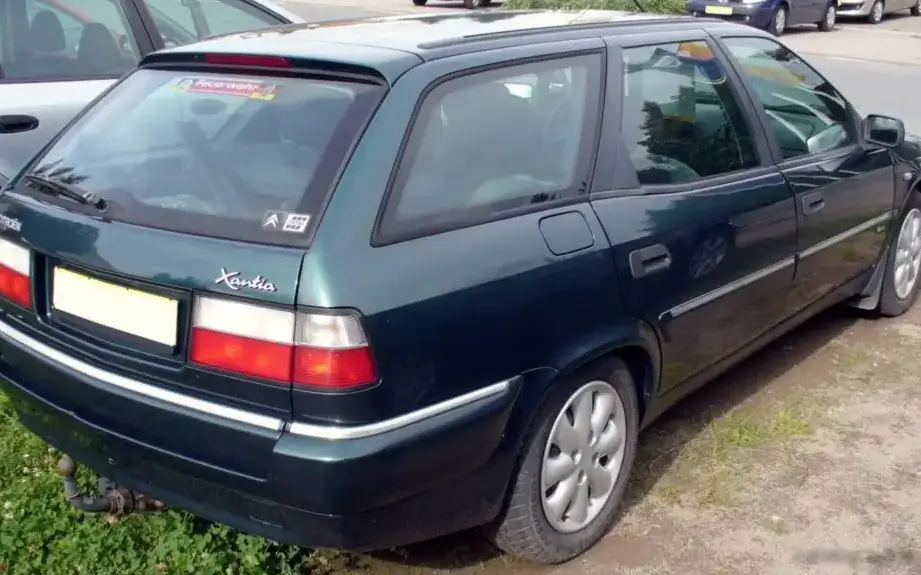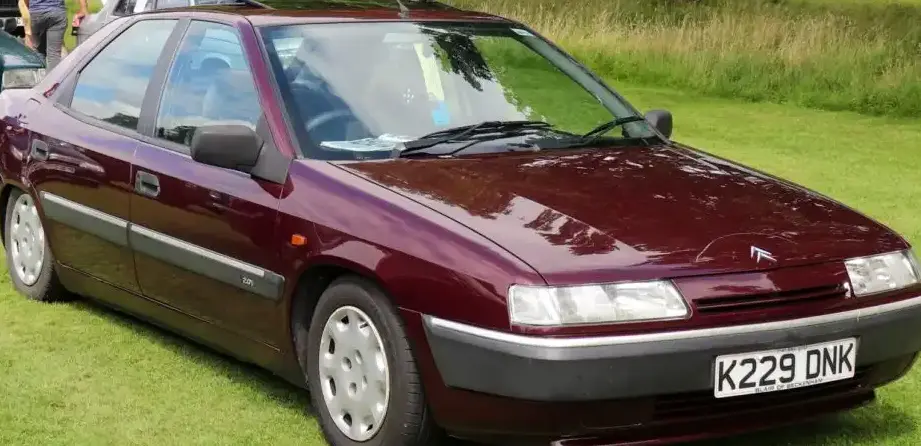
The Citroen Xantia 1.8i, produced between 1993 and 1997, represented a key entry point into the Xantia range, Citroen’s large family car designed as a successor to the BX. Positioned as a more affordable option within the X1 generation (1993-1997), the 1.8i offered a balance of comfort, practicality, and reasonable performance. It was a popular choice in European markets, particularly France, where Citroen held a strong domestic presence. The Xantia, as a whole, was notable for its innovative hydropneumatic suspension system, a Citroen hallmark, and its aerodynamic styling. The 1.8i variant aimed to broaden the Xantia’s appeal to buyers seeking a comfortable and spacious vehicle without the higher price tag of the more powerful engine options.
Technical Specifications
| Brand | Citroen |
| Model | Xantia |
| Generation | Xantia (X1) |
| Type (Engine) | 1.8i (101 Hp) |
| Start of production | 1993 |
| End of production | 1997 |
| Powertrain Architecture | Internal Combustion engine |
| Body type | Hatchback |
| Seats | 5 |
| Doors | 5 |
| Fuel consumption (urban) | 10.9 l/100 km (21.6 US mpg, 25.9 UK mpg, 9.2 km/l) |
| Fuel consumption (extra urban) | 6.1 l/100 km (38.6 US mpg, 46.3 UK mpg, 16.4 km/l) |
| Fuel consumption (combined) | 8.2 l/100 km (28.7 US mpg, 34.4 UK mpg, 12.2 km/l) |
| Fuel Type | Petrol (Gasoline) |
| Acceleration 0 – 100 km/h | 11 sec |
| Acceleration 0 – 62 mph | 11 sec |
| Acceleration 0 – 60 mph | 10.5 sec |
| Maximum speed | 187 km/h (116.2 mph) |
| Weight-to-power ratio | 11.6 kg/Hp, 85.9 Hp/tonne |
| Weight-to-torque ratio | 7.7 kg/Nm, 130.1 Nm/tonne |
| Power | 101 Hp @ 6000 rpm |
| Power per litre | 57.4 Hp/l |
| Torque | 153 Nm @ 3000 rpm (112.85 lb.-ft. @ 3000 rpm) |
| Engine layout | Front, Transverse |
| Engine Model/Code | BFX XU7JP |
| Engine displacement | 1761 cm3 (107.46 cu. in.) |
| Number of cylinders | 4 |
| Engine configuration | Inline |
| Cylinder Bore | 83 mm (3.27 in.) |
| Piston Stroke | 81.4 mm (3.2 in.) |
| Compression ratio | 9.3:1 |
| Number of valves per cylinder | 2 |
| Fuel injection system | Multi-port manifold injection |
| Engine aspiration | Naturally aspirated engine |
| Valvetrain | OHC |
| Engine oil capacity | 4.75 l (5.02 US qt | 4.18 UK qt) |
| Coolant capacity | 7 l (7.4 US qt | 6.16 UK qt) |
| Kerb Weight | 1176 kg (2592.64 lbs.) |
| Max. weight | 1720 kg (3791.95 lbs.) |
| Max load | 544 kg (1199.31 lbs.) |
| Trunk (boot) space – minimum | 480 l (16.95 cu. ft.) |
| Trunk (boot) space – maximum | 878 l (31.01 cu. ft.) |
| Fuel tank capacity | 65 l (17.17 US gal | 14.3 UK gal) |
| Max. roof load | 75 kg (165.35 lbs.) |
| Permitted trailer load with brakes (12%) | 1200 kg (2645.55 lbs.) |
| Permitted trailer load without brakes | 585 kg (1289.7 lbs.) |
| Permitted towbar download | 50 kg (110.23 lbs.) |
| Length | 4444 mm (174.96 in.) |
| Width | 1755 mm (69.09 in.) |
| Height | 1387 mm (54.61 in.) |
| Wheelbase | 2740 mm (107.87 in.) |
| Front track | 1482 mm (58.35 in.) |
| Rear track | 1442 mm (56.77 in.) |
| Front overhang | 931 mm (36.65 in.) |
| Rear overhang | 773 mm (30.43 in.) |
| Minimum turning circle | 11 m (36.09 ft.) |
| Drivetrain | Front wheel drive |
| Number of gears and type of gearbox | 5 gears, manual transmission |
| Front suspension | Independent type McPherson, Wishbone |
| Rear suspension | Hydro-pneumatic element, Trailing arm |
| Front brakes | Ventilated discs |
| Rear brakes | Disc |
| Assisting systems | ABS (Anti-lock braking system) |
| Steering type | Steering rack and pinion |
| Power steering | Hydraulic Steering |
| Tires size | 175/70 R14 |
Powertrain & Engine Architecture
The Citroen Xantia 1.8i utilized the XU7JP engine, a 1761cc inline-four cylinder petrol engine. This engine, often referred to by its BFX engine code, was a mainstay in the PSA Group’s (Peugeot Société Anonyme) lineup during the 1990s. It featured a single overhead camshaft (OHC) design and multi-port fuel injection. The XU7JP was known for its relative simplicity and durability, though it wasn’t a particularly high-performance unit. The 101 horsepower output was achieved at 6000 rpm, with a torque figure of 153 Nm (113 lb-ft) available at 3000 rpm. The engine’s compression ratio was 9.3:1. The Xantia 1.8i was typically paired with a five-speed manual transmission, although a four-speed automatic transmission was also offered, impacting performance and fuel economy. The automatic transmission, while providing convenience, added weight and reduced responsiveness compared to the manual.
Driving Characteristics
The Xantia 1.8i offered a comfortable and refined driving experience, prioritizing ride quality over outright performance. Acceleration from 0-60 mph took around 10.5 to 11 seconds, making it adequate for everyday driving but not particularly sporty. The engine felt somewhat strained when pushed hard, especially when coupled with the automatic transmission. The five-speed manual offered a more engaging experience and allowed the engine to operate within its optimal power band more effectively. The hydropneumatic suspension, a defining feature of Citroen vehicles, provided a remarkably smooth ride, absorbing bumps and imperfections in the road surface with ease. Steering was light and precise, contributing to the car’s ease of maneuverability. However, the suspension could sometimes feel a little floaty, particularly at higher speeds.
Equipment & Trim Levels
The Xantia 1.8i typically came with a reasonable level of standard equipment. This included central locking, power steering, electric front windows, and an adjustable steering column. Interior upholstery was generally cloth, with a relatively simple dashboard layout. Optional extras included air conditioning, alloy wheels, a sunroof, and upgraded audio systems. Trim levels varied depending on the market, but generally, the 1.8i represented the entry-level or mid-range offering in the Xantia lineup. Higher-spec models, such as those equipped with the 2.0 16V or V6 engines, featured more luxurious interiors and additional equipment.
Chassis & Braking
The Xantia 1.8i featured independent front suspension using a McPherson strut and wishbone setup. The rear suspension utilized Citroen’s innovative hydropneumatic system, providing self-leveling and adjustable ride height. Braking was typically accomplished with ventilated discs on the front wheels and solid discs on the rear. Anti-lock braking system (ABS) was standard, enhancing safety and control during emergency braking situations. The Xantia’s chassis was designed to prioritize comfort and stability, rather than sharp handling. The hydropneumatic suspension played a crucial role in maintaining a level ride even when the vehicle was heavily loaded.
Market Reception & Comparison
The Citroen Xantia 1.8i was generally well-received by automotive critics as a comfortable and practical family car. However, its performance was often criticized as being somewhat underwhelming, particularly when compared to rivals such as the Ford Mondeo or Opel/Vauxhall Vectra. Fuel economy was respectable, but not class-leading. The Xantia’s hydropneumatic suspension was widely praised for its exceptional ride quality, but concerns were raised about its long-term reliability and the potential cost of repairs. Compared to the higher-powered Xantia variants, the 1.8i offered a more affordable entry point into the range, appealing to buyers who prioritized comfort and practicality over performance. The 1.8i was also more economical to run than the V6 models.
Legacy
The Xantia 1.8i, while not the most exciting version of the Xantia, remains a popular choice among classic Citroen enthusiasts. The XU7JP engine is known for its durability, although regular maintenance is essential. The hydropneumatic suspension requires specialized knowledge and can be expensive to repair, but when properly maintained, it provides a unique and comfortable driving experience. Today, well-maintained examples of the Xantia 1.8i can be found on the used car market, offering a distinctive and affordable alternative to more mainstream family cars. Its blend of comfort, practicality, and unique technology continues to appeal to those seeking a classic French motoring experience.