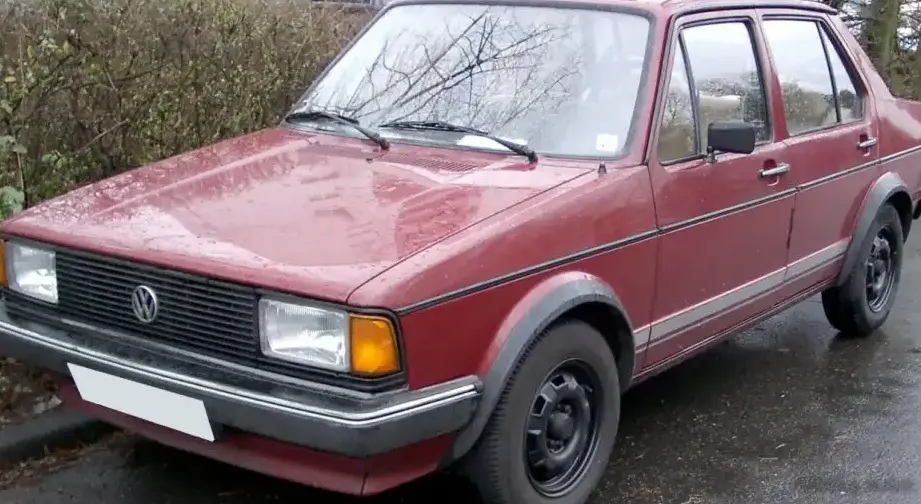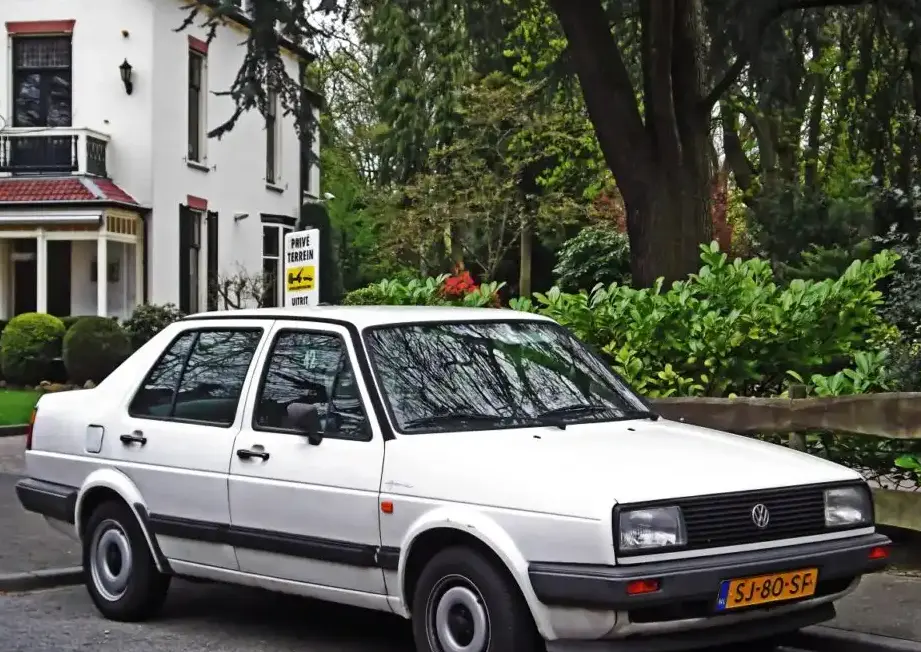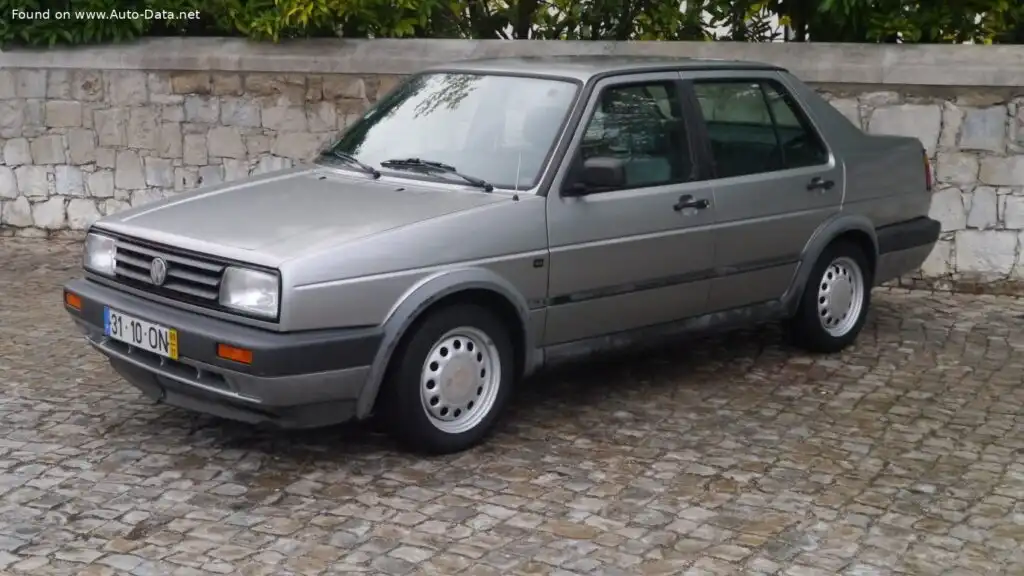
The Volkswagen Jetta II, specifically the 1.6 TD (60 hp) variant produced from 1989 to 1991, represents a significant offering within the second generation of Volkswagen’s popular compact sedan. This model, a facelift of the original Jetta II (introduced in 1984), aimed to provide fuel-efficient transportation during a period of rising gasoline prices and increasing environmental awareness. Positioned as an entry-level diesel option, it catered to buyers prioritizing economy over outright performance. The Jetta II, built on the A2 platform, was a crucial model for Volkswagen, solidifying its presence in the North American market and building upon the success of the original Golf and Jetta.
Technical Specifications
| Brand | Volkswagen |
| Model | Jetta |
| Generation | Jetta II (facelift 1987) |
| Type (Engine) | 1.6 TD (60 Hp) |
| Start of production | 1989 |
| End of production | 1991 |
| Powertrain Architecture | Internal Combustion engine |
| Body type | Sedan |
| Seats | 5 |
| Doors | 4 |
| Fuel Type | Diesel |
| Acceleration 0 – 100 km/h | 16.9 sec |
| Acceleration 0 – 62 mph | 16.9 sec |
| Acceleration 0 – 60 mph | 16.1 sec |
| Maximum speed | 151 km/h (93.83 mph) |
| Power | 60 Hp @ 4500 rpm |
| Power per litre | 37.8 Hp/l |
| Torque | 110 Nm @ 2400 rpm (81.13 lb.-ft. @ 2400 rpm) |
| Engine layout | Front, Transverse |
| Engine Model/Code | 1V |
| Engine displacement | 1588 cm3 (96.91 cu. in.) |
| Number of cylinders | 4 |
| Engine configuration | Inline |
| Cylinder Bore | 76.5 mm (3.01 in.) |
| Piston Stroke | 86.4 mm (3.4 in.) |
| Compression ratio | 23:1 |
| Number of valves per cylinder | 2 |
| Fuel injection system | Precombustion chamber injection |
| Engine aspiration | Turbocharger |
| Valvetrain | SOHC |
| Engine oil capacity | 4.5 l (4.76 US qt | 3.96 UK qt) |
| Coolant | 6.3 l (6.66 US qt | 5.54 UK qt) |
| Trunk (boot) space – minimum | 575 l (20.31 cu. ft.) |
| Fuel tank capacity | 55 l (14.53 US gal | 12.1 UK gal) |
| Length | 4385 mm (172.64 in.) |
| Width | 1675 mm (65.94 in.) |
| Height | 1415 mm (55.71 in.) |
| Wheelbase | 2475 mm (97.44 in.) |
| Front track | 1427 mm (56.18 in.) |
| Rear (Back) track | 1422 mm (55.98 in.) |
| Drag coefficient (Cd) | 0.36 |
| Drivetrain Architecture | The Internal combustion engine (ICE) drives the front wheels of the vehicle. |
| Drive wheel | Front wheel drive |
| Number of gears and type of gearbox | 5 gears, manual transmission |
| Front suspension | Independent type McPherson |
| Rear suspension | Coil spring |
| Front brakes | Disc |
| Rear brakes | Drum |
| Steering type | Steering rack and pinion |
| Tires size | 175/70 R13 |
| Wheel rims size | 13 |
Powertrain & Engine Architecture
The heart of the Jetta II 1.6 TD was the 1V engine, a 1.6-liter inline-four cylinder diesel engine equipped with a turbocharger and indirect injection. This engine utilized a precombustion chamber injection system, a common design for diesel engines of the era. Fuel was injected into a small precombustion chamber within the cylinder head, where it was partially ignited before entering the main combustion chamber. This design aided in smoother combustion and reduced engine noise. The engine featured a single overhead camshaft (SOHC) valvetrain operating two valves per cylinder. The turbocharger, a Garrett unit, provided a modest boost, increasing power output compared to naturally aspirated diesel engines. The 5-speed manual transmission was the standard offering, providing a relatively long gearing aimed at maximizing fuel efficiency.
Driving Characteristics
The 1.6 TD Jetta was not designed for spirited driving. With only 60 horsepower, acceleration was leisurely, taking approximately 16.9 seconds to reach 62 mph. The turbocharger did provide a noticeable boost in the mid-range, offering some passing power, but the engine quickly ran out of steam at higher RPMs. The long gearing of the manual transmission further emphasized fuel economy over performance. Handling was typical for a front-wheel-drive sedan of the time – predictable but not particularly engaging. The suspension was tuned for comfort, absorbing bumps reasonably well, but body roll was noticeable during cornering. Compared to the more powerful gasoline-powered Jetta variants, the 1.6 TD prioritized fuel efficiency and low-cost operation.
Equipment & Trim Levels
The 1.6 TD Jetta typically came with a fairly basic level of equipment. Standard features included cloth upholstery, a basic AM/FM radio, and manual windows and locks. Power steering was often an optional extra. Interior trim was functional and durable, reflecting the car’s focus on practicality. Optional extras included a sunroof, upgraded audio systems, and alloy wheels. The trim level was generally considered the base model, appealing to buyers seeking an affordable and economical mode of transportation.
Chassis & Braking
The Jetta II utilized a McPherson strut front suspension and a coil spring rear suspension. The front brakes were ventilated discs, providing adequate stopping power, while the rear brakes were drum brakes, a cost-saving measure common in this class of vehicle. The steering was a rack-and-pinion system, offering reasonable precision. The chassis was relatively lightweight, contributing to the car’s fuel efficiency. Stabilizer bars were typically fitted to the front, helping to reduce body roll. Tire size was typically 175/70 R13.
Market Reception & Comparison
The Jetta II 1.6 TD was generally well-received by critics as a fuel-efficient and reliable option. However, its lack of performance was often noted. Compared to the gasoline-powered Jetta models, the diesel offered significantly better fuel economy but considerably less power. The 1.6 TD was often compared to other European diesel sedans of the time, such as the Peugeot 305 and the Fiat Regata Diesel. It generally offered a good balance of fuel economy, reliability, and affordability.
Legacy
The Volkswagen Jetta II 1.6 TD, while not a performance icon, has proven to be a remarkably durable and reliable vehicle. Many examples are still on the road today, a testament to the quality of its engineering. The 1V diesel engine, while relatively simple by modern standards, is known for its longevity. In the used car market, these Jettas are often sought after by enthusiasts looking for a classic, fuel-efficient, and easy-to-maintain vehicle. Parts availability remains relatively good, and the car’s simple mechanical design makes it relatively easy to repair. The 1.6 TD Jetta represents a significant chapter in Volkswagen’s history, demonstrating the company’s commitment to providing practical and economical transportation.