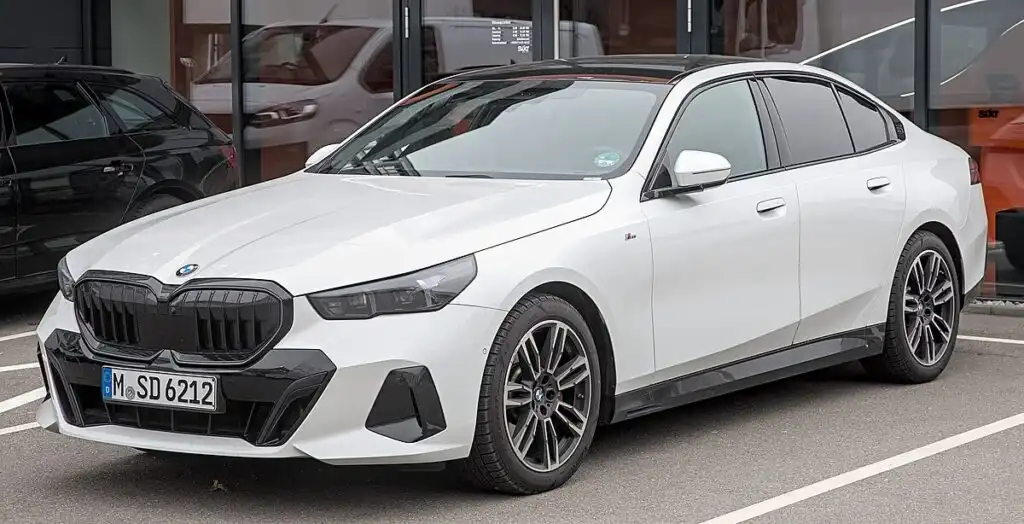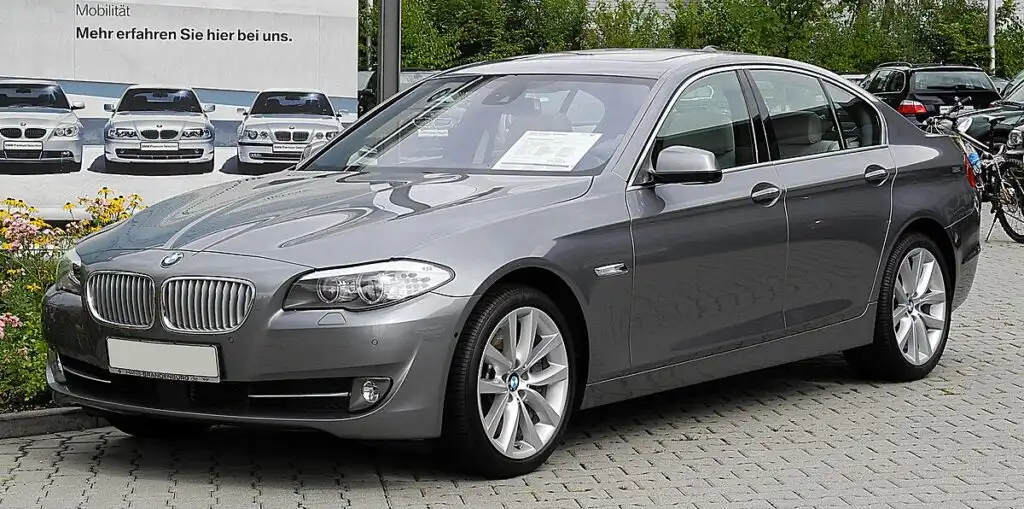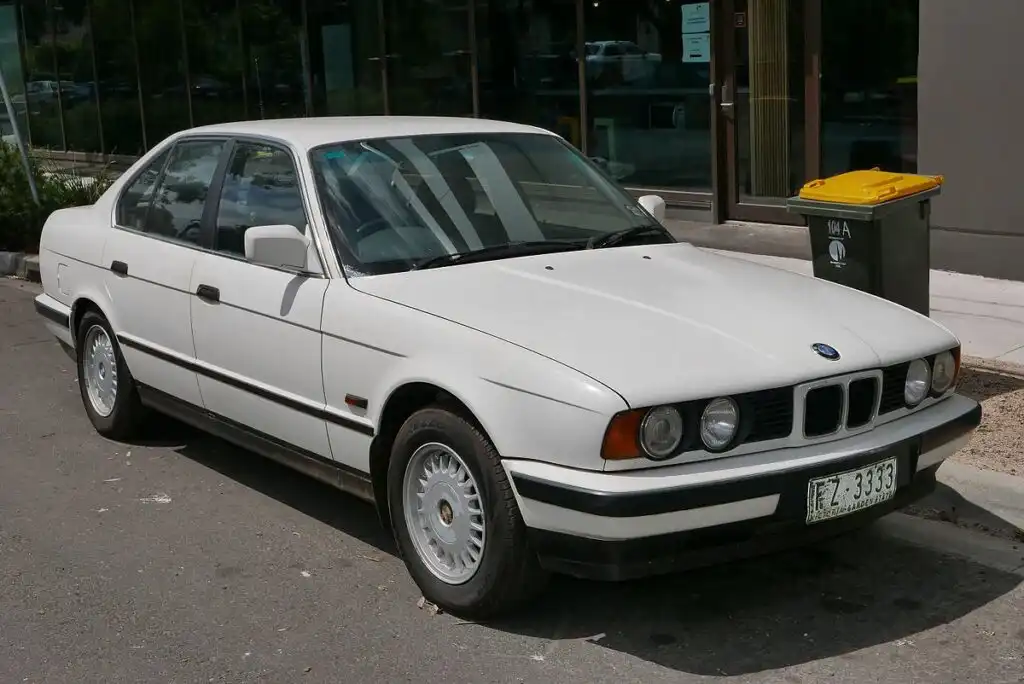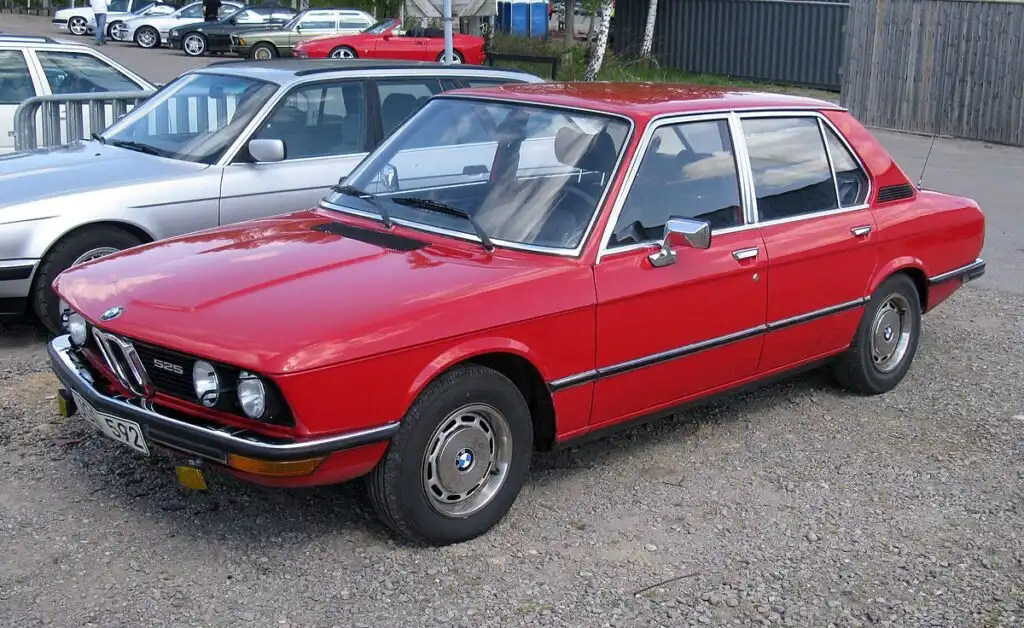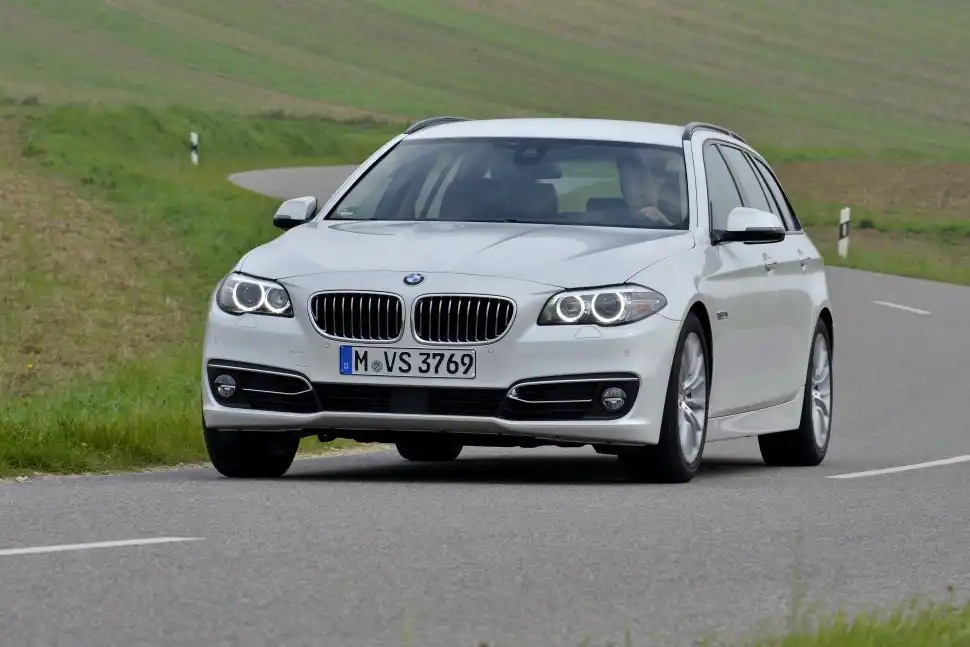
The BMW 5 Series Touring (F11 LCI), specifically the 520i variant powered by the N20B20B 2.0-liter turbocharged inline-four engine producing 184 horsepower, was a key model in BMW’s lineup from 2013 to 2017. This iteration represents the facelift (LCI – Lebenszyklus Impuls) of the F11 generation, bringing styling updates and technological enhancements to the already popular 5 Series Touring. Positioned as an entry-level offering within the 5 Series wagon range, the 520i aimed to provide a balance of practicality, efficiency, and the BMW driving experience to a broader customer base. It served as a more accessible alternative to the higher-performance 528i, 535i, and diesel-powered variants.
Technical Specifications
| Brand | BMW |
| Model | 5 Series |
| Generation | 5 Series Touring (F11 LCI, Facelift 2013) |
| Type (Engine) | 520i (184 Hp) |
| Start of production | 2013 |
| End of production | 2017 |
| Powertrain Architecture | Internal Combustion engine |
| Body type | Station wagon (estate) |
| Seats | 5 |
| Doors | 5 |
| Fuel consumption (urban) | 8.9-9.5 l/100 km (26.4 – 24.8 US mpg) |
| Fuel consumption (extra urban) | 5.5-5.8 l/100 km (42.8 – 40.6 US mpg) |
| Fuel consumption (combined) | 6.7-7.2 l/100 km (35.1 – 32.7 US mpg) |
| CO2 emissions | 157-167 g/km |
| Fuel Type | Petrol (Gasoline) |
| Acceleration 0 – 100 km/h | 8.3 sec |
| Acceleration 0 – 62 mph | 8.3 sec |
| Acceleration 0 – 60 mph | 7.9 sec |
| Maximum speed | 226 km/h (140.43 mph) |
| Emission standard | Euro 6 |
| Weight-to-power ratio | 9.3 kg/Hp |
| Weight-to-torque ratio | 6.3 kg/Nm |
| Power | 184 Hp @ 5000-6250 rpm |
| Torque | 270 Nm @ 1250-4500 rpm (199.14 lb.-ft.) |
| Engine layout | Front, Longitudinal |
| Engine Model/Code | N20B20B |
| Engine displacement | 1997 cm3 (121.86 cu. in.) |
| Number of cylinders | 4 |
| Engine configuration | Inline |
| Cylinder Bore | 84 mm (3.31 in.) |
| Piston Stroke | 90.1 mm (3.55 in.) |
| Compression ratio | 10:1 |
| Number of valves per cylinder | 4 |
| Fuel injection system | Direct injection |
| Engine aspiration | Twin-power turbo, Intercooler |
| Engine oil capacity | 5 l (5.28 US qt | 4.4 UK qt) |
| Coolant | 9.1 l (9.62 US qt | 8.01 UK qt) |
| Kerb Weight | 1710 kg (3769.9 lbs.) |
| Max. weight | 2350 kg (5180.86 lbs.) |
| Max load | 640 kg (1410.96 lbs.) |
| Trunk (boot) space – minimum | 560 l (19.78 cu. ft.) |
| Trunk (boot) space – maximum | 1670 l (58.98 cu. ft.) |
| Fuel tank capacity | 70 l (18.49 US gal | 15.4 UK gal) |
| Max. roof load | 100 kg (220.46 lbs.) |
| Permitted trailer load with brakes (12%) | 2000 kg (4409.25 lbs.) |
| Permitted trailer load without brakes | 750 kg (1653.47 lbs.) |
| Permitted towbar download | 90 kg (198.42 lbs.) |
| Length | 4907 mm (193.19 in.) |
| Width | 1860 mm (73.23 in.) |
| Height | 1462 mm (57.56 in.) |
| Wheelbase | 2968 mm (116.85 in.) |
| Front track | 1600 mm (62.99 in.) |
| Rear track | 1626 mm (64.02 in.) |
| Ride height (ground clearance) | 141 mm (5.55 in.) |
| Minimum turning circle | 12.0 m (39.37 ft.) |
| Drivetrain Architecture | Rear wheel drive |
| Number of gears | 6 |
| Type of gearbox | Manual transmission |
| Front suspension | Double wishbone |
| Rear suspension | Independent multi-link suspension |
| Front brakes | Ventilated discs |
| Rear brakes | Ventilated discs |
| Assisting systems | ABS (Anti-lock braking system) |
| Steering type | Steering rack and pinion |
| Power steering | Electric Steering |
| Tires size | 225/55 R17; 245/45 R18; 245/40 R19 |
| Wheel rims size | 8J x 17; 8J x 18; 8.5J x 19 |
Powertrain & Engine Architecture
At the heart of the 520i Touring LCI lies the N20B20B 2.0-liter inline-four cylinder engine. This engine is a product of BMW’s modular engine family, known for its efficiency and performance. The N20 utilizes direct fuel injection, a single twin-scroll turbocharger, and variable valve timing (VANOS) and valve lift (Valvetronic) technologies. These features work in concert to deliver a broad torque curve and responsive power delivery. The engine produces 184 horsepower at 5000-6250 rpm and 270 Nm (199 lb-ft) of torque between 1250 and 4500 rpm. The engine is longitudinally mounted, driving the rear wheels. The 6-speed manual transmission was standard, offering precise gear changes and a direct connection to the drivetrain. An 8-speed automatic transmission was also available as an option, providing smoother shifts and enhanced fuel efficiency.
Driving Characteristics
The 520i Touring LCI with the manual transmission offered a balanced driving experience. While not as overtly sporty as the higher-powered 5 Series variants, it provided ample power for everyday driving and comfortable highway cruising. The turbocharger minimized turbo lag, providing a relatively linear power delivery. The 6-speed manual gearbox was well-matched to the engine’s characteristics, allowing drivers to maintain control and extract the most from the available power. Compared to the 528i or 535i, the 520i felt less urgent in acceleration, but its lighter weight and efficient engine contributed to better fuel economy. The automatic transmission, while offering convenience, slightly dulled the driving experience, with shifts sometimes feeling less decisive than the manual.
Equipment & Trim Levels
The 520i Touring LCI typically came standard with features such as automatic climate control, a multi-function steering wheel, power-adjustable front seats, and a BMW Professional radio system. Upholstery was typically cloth, with leather options available. The LCI facelift brought updated interior trim and infotainment options. Optional extras included navigation, a premium sound system, heated seats, parking sensors, and a panoramic sunroof. Trim levels varied by market, but generally offered packages that bundled popular options together. The overall interior design emphasized luxury and functionality, with a focus on driver comfort and ease of use.
Chassis & Braking
The F11 5 Series Touring utilized a double wishbone front suspension and an independent multi-link rear suspension. This setup provided a comfortable ride while maintaining good handling characteristics. The 520i typically featured ventilated disc brakes on all four wheels, providing ample stopping power. Anti-lock braking system (ABS) and electronic stability control (ESC) were standard safety features. The suspension was tuned to prioritize comfort, but still offered a reasonably engaging driving experience. Stabilizer bars were used front and rear to reduce body roll during cornering.
Market Reception & Comparison
The 520i Touring LCI was generally well-received by automotive critics as a practical and efficient option within the 5 Series range. It was praised for its comfortable ride, spacious interior, and fuel economy. However, some critics noted that the 2.0-liter engine lacked the outright performance of the larger engines available in the lineup. Compared to the 528i, the 520i offered a more affordable entry point, but at the expense of performance. The diesel-powered 520d was often seen as a more compelling option for those prioritizing fuel efficiency and torque.
Legacy
The N20 engine, while generally reliable, has been known to exhibit some issues, including oil leaks, timing chain wear, and cooling system vulnerabilities. Regular maintenance and timely repairs are crucial to ensure the longevity of this powertrain. The F11 5 Series Touring, including the 520i variant, has maintained a relatively strong presence in the used car market, appreciated for its practicality, comfort, and BMW brand prestige. The 520i LCI represents a well-rounded package for those seeking a versatile and efficient luxury wagon.