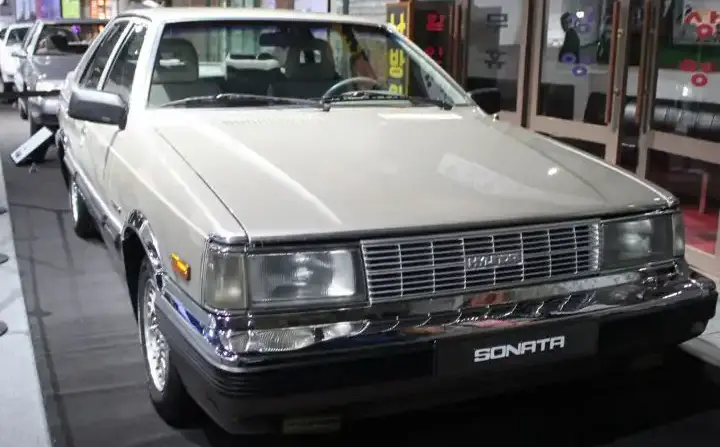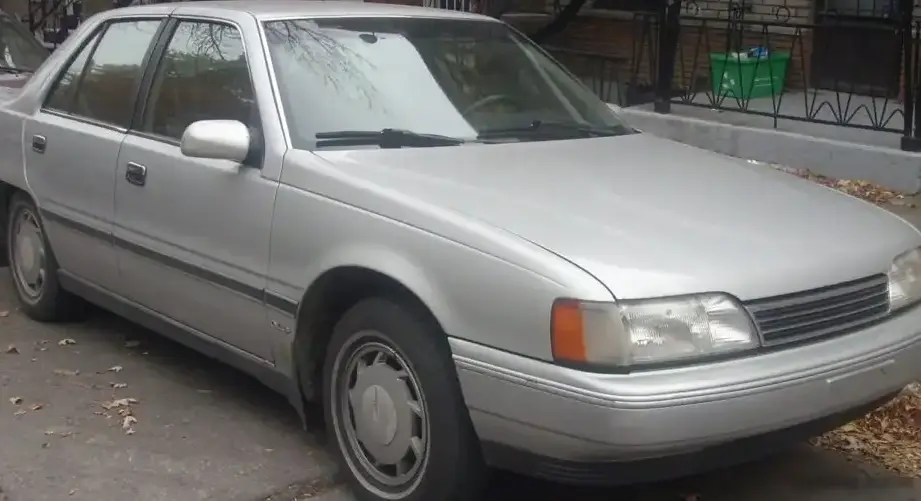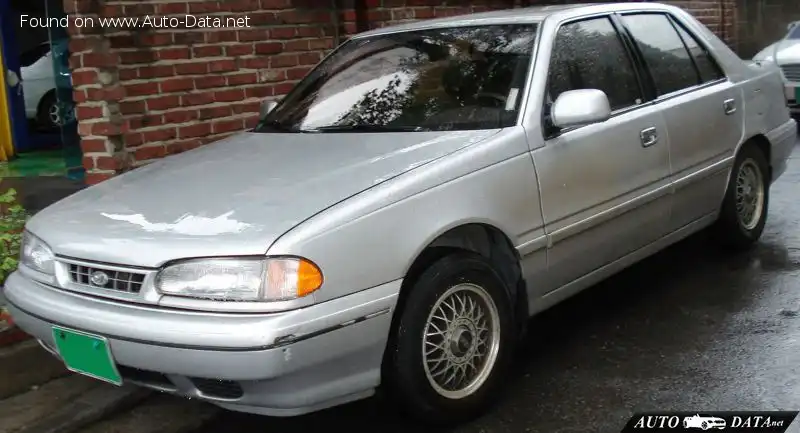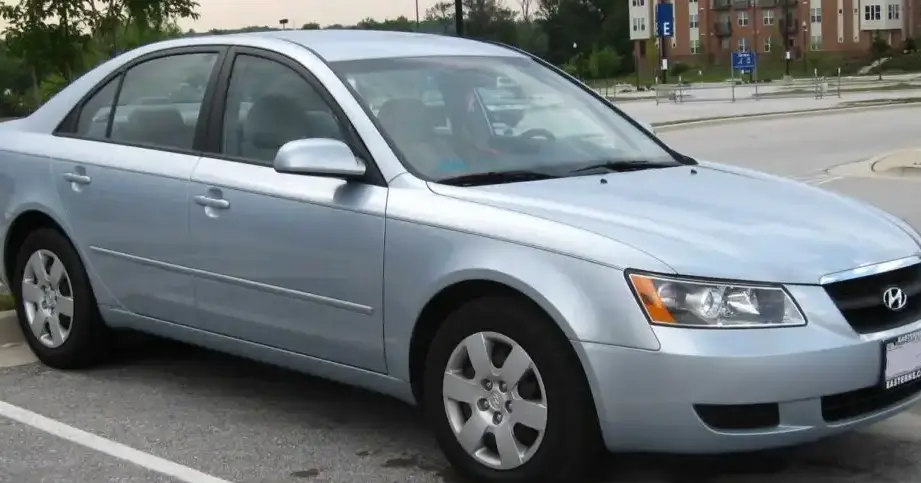
The Hyundai Sonata V (NF) 3.3i V6 24V Automatic, produced from 2005 to 2008, represented a significant step forward for Hyundai in the mid-size sedan segment. Part of the fifth-generation Sonata (NF platform), this variant offered a more powerful engine option compared to the base 2.4L four-cylinder, aiming to attract buyers seeking a blend of comfort, performance, and features. Positioned as the premium trim level within the NF Sonata range, the 3.3i V6 catered to those desiring a more refined driving experience and greater acceleration capabilities. It was primarily marketed in North America and select international markets, where larger displacement engines were favored.
Technical Specifications
| Brand | Hyundai |
| Model | Sonata |
| Generation | Sonata V (NF) |
| Type (Engine) | 3.3i V6 24V (235 Hp) Automatic |
| Start of production | 2005 |
| End of production | 2008 |
| Powertrain Architecture | Internal Combustion engine |
| Body type | Sedan |
| Seats | 5 |
| Doors | 4 |
| Fuel consumption (urban) | 14.8 l/100 km (15.9 US mpg, 19.1 UK mpg, 6.8 km/l) |
| Fuel consumption (extra urban) | 7.4 l/100 km (31.8 US mpg, 38.2 UK mpg, 13.5 km/l) |
| Fuel consumption (combined) | 10.1 l/100 km (23.3 US mpg, 28 UK mpg, 9.9 km/l) |
| Fuel Type | Petrol (Gasoline) |
| Acceleration 0 – 100 km/h | 7.7 sec |
| Acceleration 0 – 62 mph | 7.7 sec |
| Acceleration 0 – 60 mph | 7.3 sec |
| Maximum speed | 230 km/h (142.92 mph) |
| Emission standard | Euro 4 |
| Weight-to-power ratio | 6.7 kg/Hp, 149.6 Hp/tonne |
| Weight-to-torque ratio | 5.2 kg/Nm, 193.5 Nm/tonne |
| Power | 235 Hp @ 6000 rpm |
| Power per litre | 70.3 Hp/l |
| Torque | 304 Nm @ 3500 rpm (224.22 lb.-ft. @ 3500 rpm) |
| Engine layout | Front, Transverse |
| Engine Model/Code | Lambda / G6DB |
| Engine displacement | 3342 cm3 (203.94 cu. in.) |
| Number of cylinders | 6 |
| Engine configuration | V-engine |
| Cylinder Bore | 92 mm (3.62 in.) |
| Piston Stroke | 83.8 mm (3.3 in.) |
| Compression ratio | 10.4:1 |
| Number of valves per cylinder | 4 |
| Fuel injection system | Multi-port manifold injection |
| Engine aspiration | Naturally aspirated engine |
| Valvetrain | DOHC, CVVT |
| Engine oil capacity | 5.2 l (5.49 US qt | 4.58 UK qt) |
| Coolant capacity | 8.2 l (8.66 US qt | 7.21 UK qt) |
| Kerb Weight | 1571 kg (3463.46 lbs.) |
| Max. weight | 2130 kg (4695.85 lbs.) |
| Max load | 559 kg (1232.38 lbs.) |
| Trunk (boot) space – minimum | 523 l (18.47 cu. ft.) |
| Fuel tank capacity | 70 l (18.49 US gal | 15.4 UK gal) |
| Max. roof load | 100 kg (220.46 lbs.) |
| Permitted towbar download | 80 kg (176.37 lbs.) |
| Length | 4800 mm (188.98 in.) |
| Width | 1832 mm (72.13 in.) |
| Height | 1474 mm (58.03 in.) |
| Wheelbase | 2730 mm (107.48 in.) |
| Front track | 1565 mm (61.61 in.) |
| Rear (Back) track | 1550 mm (61.02 in.) |
| Ride height (ground clearance) | 160 mm (6.3 in.) |
| Drag coefficient (Cd) | 0.32 |
| Minimum turning circle (turning diameter) | 12.0 m (39.37 ft.) |
| Drivetrain Architecture | The Internal combustion engine (ICE) drives the front wheels of the vehicle. |
| Drive wheel | Front wheel drive |
| Number of gears and type of gearbox | 5 gears, automatic transmission |
| Front suspension | Independent, type McPherson with coil spring and anti-roll bar |
| Rear suspension | Independent multi-link spring suspension with stabilizer |
| Front brakes | Ventilated discs |
| Rear brakes | Disc |
| Assisting systems | ABS (Anti-lock braking system) |
| Steering type | Steering rack and pinion |
| Tires size | 215/60 R16 |
| Wheel rims size | 6.5J x 16 |
Powertrain & Engine Architecture
The heart of the Sonata 3.3i was the Hyundai Lambda engine, specifically the G6DB variant. This 3.3-liter, naturally aspirated V6 engine featured a 60-degree V-angle and utilized a cast iron block with an aluminum cylinder head. The engine employed multi-port fuel injection (MPI) and a double overhead camshaft (DOHC) valvetrain with continuously variable valve timing (CVVT) on both intake and exhaust camshafts. This CVVT system optimized engine performance and fuel efficiency across a wider range of engine speeds. The automatic transmission was a 5-speed unit, designed to provide smooth shifts and adequate power delivery. While not a cutting-edge transmission by modern standards, it was well-suited to the engine’s torque characteristics.
Driving Characteristics
The 3.3i V6 Automatic offered a noticeable performance upgrade over the base 2.4L Sonata. The 235 horsepower and 224 lb-ft of torque provided brisk acceleration, with 0-60 mph times consistently in the low 7-second range. The automatic transmission, while smooth, wasn’t particularly sporty. Shifts were geared towards comfort and fuel economy rather than aggressive downshifts. The gear ratios were optimized for highway cruising, making the Sonata a comfortable long-distance vehicle. Compared to a manual transmission equipped Sonata, the automatic sacrificed some responsiveness, but offered greater convenience for everyday driving.
Equipment & Trim Levels
The 3.3i V6 typically came well-equipped, often including features like leather upholstery, power-adjustable front seats, a premium sound system, automatic climate control, and alloy wheels. Optional extras could include a sunroof, navigation system, and upgraded audio options. The interior design was generally considered comfortable and spacious, with a focus on practicality and ease of use. The dashboard layout was straightforward, and the materials used were of decent quality for its price point.
Chassis & Braking
The Sonata V (NF) utilized an independent suspension setup, with McPherson struts at the front and a multi-link system at the rear. This provided a comfortable ride quality, absorbing bumps and imperfections in the road effectively. The braking system consisted of ventilated disc brakes at the front and solid disc brakes at the rear. Anti-lock Braking System (ABS) was standard, enhancing safety and control during emergency braking situations. The steering was a rack-and-pinion system, offering reasonable precision and feedback.
Market Reception & Comparison
The Sonata 3.3i V6 was generally well-received by automotive critics. It was praised for its smooth engine, comfortable ride, and generous features. However, some reviewers noted that the handling wasn’t as sharp as some of its competitors, such as the Honda Accord or Toyota Camry. Fuel economy was also a point of concern, as the V6 engine consumed significantly more fuel than the four-cylinder option. In terms of reliability, the Lambda engine proved to be relatively robust, although some owners reported minor issues with the fuel injectors and ignition coils over time.
Legacy
The Hyundai Sonata V (NF) 3.3i V6 Automatic played a crucial role in establishing Hyundai as a credible competitor in the mid-size sedan market. It demonstrated Hyundai’s ability to produce a vehicle that could compete with established Japanese and American brands in terms of performance, features, and reliability. Today, these Sonatas are relatively affordable on the used car market, offering a comfortable and spacious option for budget-conscious buyers. While not a collector’s item, well-maintained examples are still capable of providing reliable transportation for many years to come. The Lambda engine family continued to be developed and refined by Hyundai, becoming a mainstay in many of their subsequent models.