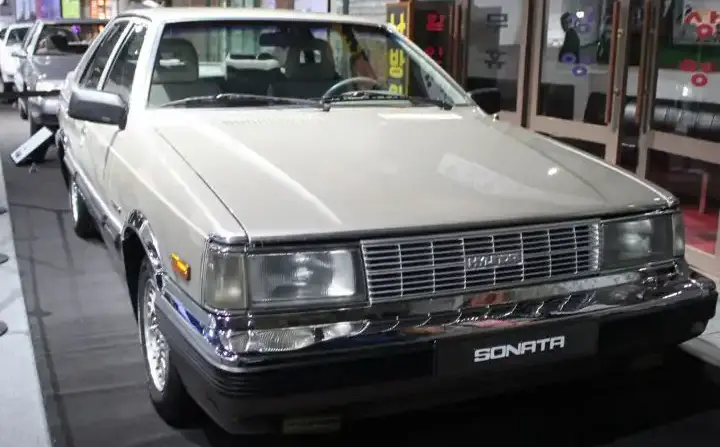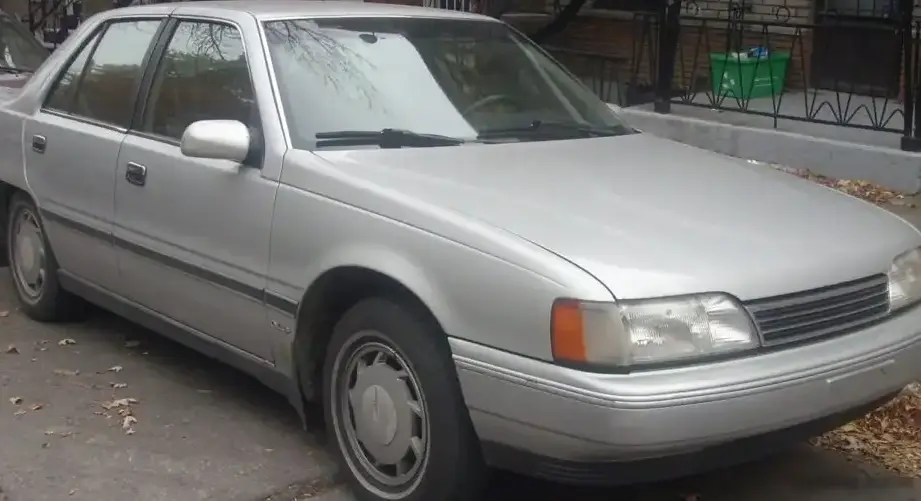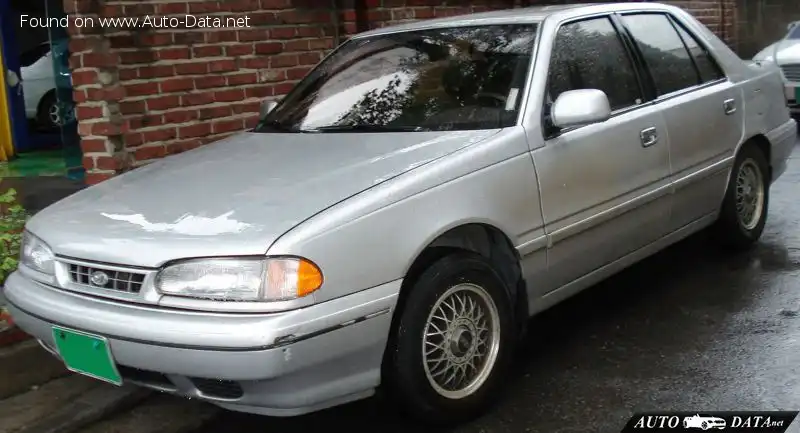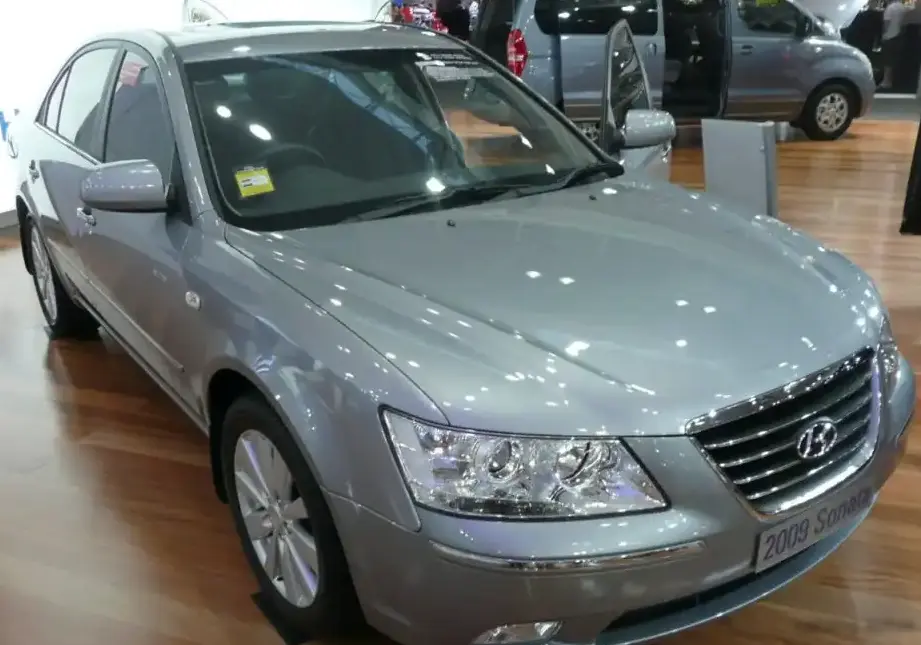
The Hyundai Sonata V (NF series, facelifted in 2008) 2.0 CRDi Automatic represents a significant step in Hyundai’s ambition to compete in the mid-size sedan segment, particularly in European and Asian markets. Produced from 2008 to 2009, this variant offered a diesel-powered option with an automatic transmission, aimed at buyers prioritizing fuel efficiency and comfortable cruising. It sat within the broader NF Sonata range, positioned as a mid-range offering between the base gasoline models and the higher-specification trims. The facelift brought revised styling and minor mechanical updates to the original NF platform, enhancing its appeal.
Technical Specifications
| Brand | Hyundai |
| Model | Sonata |
| Generation | Sonata V (NF, facelift 2008) |
| Type (Engine) | 2.0 CRDi (150 Hp) Automatic |
| Start of production | 2008 |
| End of production | 2009 |
| Powertrain Architecture | Internal Combustion engine |
| Body type | Sedan |
| Seats | 5 |
| Doors | 4 |
| Fuel consumption (urban) | 9.7 l/100 km (24.2 US mpg) |
| Fuel consumption (extra urban) | 5.4 l/100 km (43.6 US mpg) |
| Fuel consumption (combined) | 7 l/100 km (33.6 US mpg) |
| CO2 emissions | 185 g/km |
| Fuel Type | Diesel |
| Acceleration 0 – 100 km/h | 11.6 sec |
| Acceleration 0 – 62 mph | 11.6 sec |
| Acceleration 0 – 60 mph | 11 sec |
| Maximum speed | 200 km/h (124.27 mph) |
| Emission standard | Euro 4 |
| Weight-to-power ratio | 10.7 kg/Hp |
| Weight-to-torque ratio | 5.3 kg/Nm |
| Power | 150 Hp @ 3800 rpm |
| Torque | 305 Nm @ 1800-2500 rpm (224.96 lb.-ft.) |
| Engine layout | Front, Transverse |
| Engine Model/Code | D4EA |
| Engine displacement | 1991 cm3 (121.5 cu. in.) |
| Number of cylinders | 4 |
| Engine configuration | Inline |
| Cylinder Bore | 83 mm (3.27 in.) |
| Piston Stroke | 92 mm (3.62 in.) |
| Compression ratio | 17.3:1 |
| Number of valves per cylinder | 4 |
| Fuel injection system | Diesel Commonrail |
| Engine aspiration | Turbocharger, Intercooler |
| Valvetrain | SOHC |
| Engine oil capacity | 6.7 l (7.08 US qt | 5.9 UK qt) |
| Coolant capacity | 8.3 l (8.77 US qt | 7.3 UK qt) |
| Kerb Weight | 1605 kg (3538.42 lbs.) |
| Max. weight | 2150 kg (4739.94 lbs.) |
| Max load | 545 kg (1201.52 lbs.) |
| Trunk (boot) space – minimum | 523 l (18.47 cu. ft.) |
| Fuel tank capacity | 70 l (18.49 US gal | 15.4 UK gal) |
| Length | 4800 mm (188.98 in.) |
| Width | 1832 mm (72.13 in.) |
| Height | 1475 mm (58.07 in.) |
| Wheelbase | 2730 mm (107.48 in.) |
| Front track | 1565 mm (61.61 in.) |
| Rear track | 1550 mm (61.02 in.) |
| Drag coefficient (Cd) | 0.32 |
| Minimum turning circle | 12 m (39.37 ft.) |
| Drivetrain Architecture | Front wheel drive |
| Number of gears | 4 |
| Gearbox type | Automatic transmission |
| Front suspension | Independent, McPherson with coil spring and anti-roll bar |
| Rear suspension | Independent multi-link suspension |
| Front brakes | Ventilated discs |
| Rear brakes | Disc |
| Assisting systems | ABS (Anti-lock braking system) |
| Steering type | Steering rack and pinion |
| Tires size | 215/60 R16 |
| Wheel rims size | 6.5J x 16 |
Powertrain & Engine Architecture
The heart of this Sonata variant is the Hyundai D4EA 2.0-liter inline-four cylinder diesel engine. This engine utilizes a second-generation common-rail direct injection system, delivering fuel at extremely high pressure for improved combustion efficiency and reduced emissions. The D4EA features a single overhead camshaft (SOHC) valvetrain operating four valves per cylinder. A turbocharger with an intercooler is employed to boost power output, providing 150 horsepower at 3800 rpm and a substantial 305 Nm (224.96 lb-ft) of torque between 1800 and 2500 rpm. This torque curve is particularly well-suited to the automatic transmission. The engine’s high compression ratio of 17.3:1 is typical for diesel engines, contributing to its efficiency. The automatic transmission is a conventional four-speed unit, chosen for its ease of use and comfort, although it doesn’t offer the responsiveness of a manual gearbox or the efficiency of more modern automatic transmissions.
Driving Characteristics
The 2.0 CRDi Automatic Sonata delivers a comfortable and relaxed driving experience. The automatic transmission prioritizes smooth shifts over outright performance. Acceleration from 0 to 100 km/h (0-62 mph) takes approximately 11.6 seconds, which is adequate but not particularly brisk. The engine’s strong low-end torque makes it well-suited for everyday driving and overtaking maneuvers. Compared to the manual transmission version of the same engine, the automatic suffers a slight performance penalty due to transmission losses. The gear ratios are tuned for fuel economy and cruising comfort, rather than sporty acceleration. The automatic transmission does lack the engine braking available with a manual, which can be noticeable on long descents.
Equipment & Trim Levels
The 2.0 CRDi Automatic trim typically included standard features such as air conditioning, power windows, central locking, and an audio system with CD player. Safety features included ABS (Anti-lock Braking System) and dual front airbags. Higher trim levels offered options like leather upholstery, sunroof, alloy wheels, and upgraded audio systems. Interior materials were generally of good quality for the price point, although not as luxurious as some competitors. The dashboard layout was functional and user-friendly, with logically placed controls.
Chassis & Braking
The Sonata V utilized an independent suspension setup, with McPherson struts at the front and a multi-link system at the rear. This configuration provided a comfortable ride quality, absorbing bumps and imperfections in the road surface effectively. The front brakes were ventilated discs, offering good stopping power, while the rear brakes were solid discs. The steering was a rack and pinion system, providing reasonably precise control. The car’s weight of 1605 kg (3538.42 lbs) contributed to its stable handling characteristics.
Market Reception & Comparison
The Hyundai Sonata V 2.0 CRDi Automatic was generally well-received by automotive critics as a practical and fuel-efficient family sedan. It offered a compelling alternative to established competitors like the Ford Mondeo, Volkswagen Passat, and Toyota Avensis. Fuel economy was a key selling point, with combined fuel consumption figures of around 7 l/100 km (33.6 US mpg). Compared to the gasoline-powered Sonata models, the diesel version offered significantly better fuel economy, but at a higher initial purchase price. The automatic transmission was praised for its smoothness, but some reviewers noted its lack of responsiveness compared to manual gearboxes. Reliability was generally good, although some owners reported minor issues with the diesel injection system.
Legacy
The Hyundai Sonata V 2.0 CRDi Automatic represents a pivotal moment in Hyundai’s development as a global automotive manufacturer. It demonstrated the company’s ability to produce a competitive mid-size sedan with a modern diesel engine and automatic transmission. While not known for exceptional performance, the D4EA engine proved to be relatively durable and reliable, and many examples are still on the road today. In the used car market, these Sonatas are often sought after for their fuel efficiency and affordability, making them a practical choice for budget-conscious buyers. However, potential buyers should be aware of the age-related wear and tear associated with diesel injection systems and ensure regular maintenance is performed.