
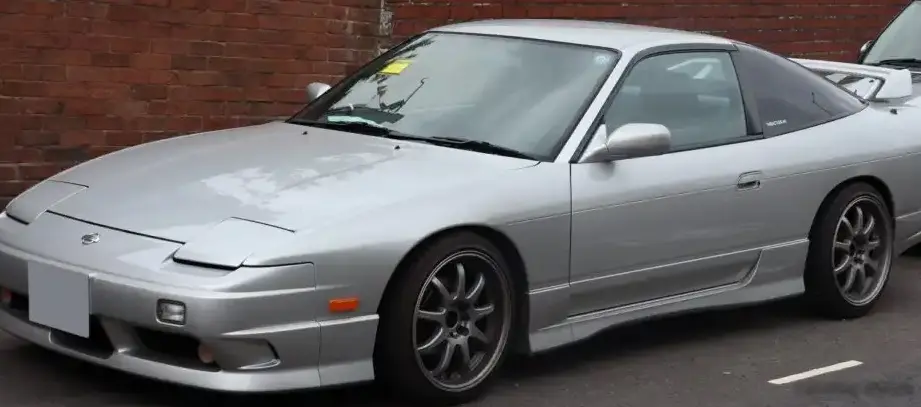
The Nissan 180SX 2.0 Turbo, produced between 1989 and 1998, represents a significant entry in Nissan’s lineage of sporty, rear-wheel-drive coupes. Positioned as a more affordable and accessible alternative to the Skyline, the 180SX aimed to capture the drifting and tuning enthusiast market, particularly in Japan and Australia. While never officially sold in the United States, the 180SX gained a cult following through grey market imports. This variant, equipped with the 2.0-liter turbocharged engine producing 175 horsepower, served as the performance flagship of the 180SX range throughout much of its production run. It was a key player in the burgeoning Japanese domestic market (JDM) scene, offering a compelling blend of performance, style, and tuning potential.
Technical Specifications
| Brand | Nissan |
| Model | 180 SX |
| Generation | 180 SX |
| Engine Type | 2.0 turbo (175 Hp) |
| Production Years | 1989 – 1998 |
| Powertrain Architecture | Internal Combustion engine |
| Body Type | Coupe |
| Seats | 4 |
| Doors | 3 |
| Fuel Type | Petrol (Gasoline) |
| Power | 175 Hp |
| Engine Aspiration | Turbocharger |
| Fuel Tank Capacity | 60 l / 15.85 US gal / 13.2 UK gal |
| Length | 4520 mm / 177.95 in. |
| Width | 1695 mm / 66.73 in. |
| Height | 1290 mm / 50.79 in. |
| Wheelbase | 2475 mm / 97.44 in. |
| Turning Circle | 9.4 m / 30.84 ft. |
| Drivetrain | Rear wheel drive |
| Gears | 5 gears, manual transmission |
| Front Suspension | Spring Strut |
| Rear Suspension | Spring Strut |
| Front Brakes | Ventilated discs |
| Rear Brakes | Disc |
| Assisting Systems | ABS (Anti-lock braking system), Hydraulic Power Steering |
Powertrain & Engine Architecture
The heart of the 180SX 2.0 Turbo is the CA18DET engine, a 1.8-liter inline-four cylinder powerplant. This engine utilizes a single overhead camshaft (SOHC) design with two valves per cylinder. The “DET” designation signifies a turbocharged and intercooled engine. The turbocharger, typically a Garrett T25 or similar, provides a significant boost in power over the naturally aspirated CA18S engine found in lower trims. Fuel delivery is managed by a Bosch fuel injection system, contributing to relatively smooth power delivery and acceptable fuel economy for a performance vehicle of its era. The CA18DET is known for its robust construction and ability to handle moderate increases in boost pressure with relatively minor modifications. The 180SX exclusively came with a 5-speed manual transmission, designed to handle the engine’s torque output. The transmission is known for its relatively short throws and direct feel, enhancing the driving experience.
Driving Characteristics
The 180SX 2.0 Turbo delivers a distinctly sporty driving experience. The rear-wheel-drive configuration, combined with the turbocharged engine, allows for a playful and engaging dynamic. While 175 horsepower might seem modest by modern standards, the relatively light weight of the 180SX (around 2700 lbs) results in brisk acceleration. The turbocharger does introduce some lag, particularly at lower RPMs, but once spooled up, it provides a noticeable surge of power. The 5-speed manual transmission is well-matched to the engine’s characteristics, offering precise shifts and allowing the driver to maintain optimal power delivery. The suspension, while relatively simple with its strut-based design, provides a good balance between comfort and handling. The 180SX is particularly well-suited to winding roads and offers a rewarding experience for drivers who enjoy a more analog driving feel.
Equipment & Trim Levels
The 180SX 2.0 Turbo was generally offered with a fairly comprehensive equipment list for a sports coupe of its time. Standard features typically included power windows, power steering, and an AM/FM radio. Higher trim levels, often denoted by designations like “Type X” or “Type R”, added features such as alloy wheels, upgraded interior upholstery (often featuring sport seats), and a more sophisticated audio system. Air conditioning was a common option. The interior design is functional and driver-focused, with a clear instrument cluster and well-placed controls. The overall aesthetic is typical of Japanese sports cars of the late 1980s and early 1990s, emphasizing simplicity and practicality.
Chassis & Braking
The 180SX utilizes a relatively simple but effective chassis design. The front suspension employs MacPherson struts, while the rear suspension also utilizes struts, offering a balance between cost-effectiveness and performance. The braking system features ventilated discs on the front wheels and solid discs on the rear, providing adequate stopping power for most driving situations. Anti-lock brakes (ABS) were often included as standard equipment, enhancing safety. The steering is hydraulically assisted, providing a reasonable level of feedback and making the car relatively easy to maneuver. The chassis is known for its rigidity, contributing to the car’s handling prowess.
Market Reception & Comparison
The 180SX 2.0 Turbo was well-received in Japan and Australia as an affordable and capable sports coupe. It quickly gained popularity among drifting enthusiasts due to its rear-wheel-drive layout and readily tunable engine. Compared to other coupes in its class, such as the Nissan Skyline and Mazda RX-7, the 180SX offered a more accessible price point. While the Skyline offered more power and prestige, the 180SX provided a similar level of driving enjoyment at a lower cost. The 180SX also differed from the naturally aspirated 180SX models, offering a significant performance upgrade. The turbocharger added a layer of complexity, potentially increasing maintenance costs, but the added power was generally considered worth the trade-off by enthusiasts.
Legacy
The Nissan 180SX 2.0 Turbo has become a highly sought-after vehicle in the used car market, particularly among JDM enthusiasts. Its relatively simple mechanical design and readily available parts make it a popular choice for restoration and modification projects. The CA18DET engine is known for its durability and potential for significant power gains. While finding a well-maintained example can be challenging, the 180SX continues to offer a unique and rewarding driving experience. Its influence can be seen in the continued popularity of rear-wheel-drive Japanese sports cars and the ongoing growth of the drifting scene. Today, the 180SX stands as a testament to Nissan’s commitment to producing affordable and engaging sports cars.
