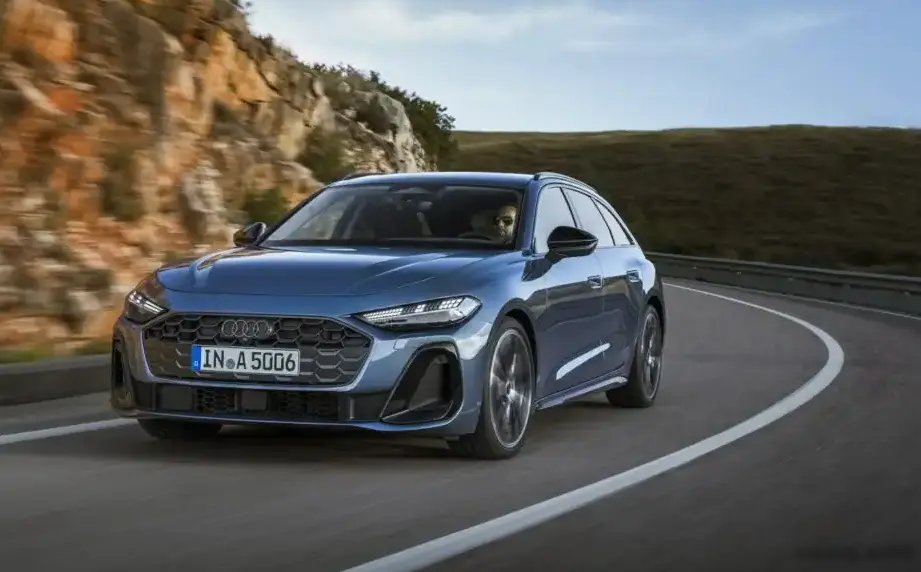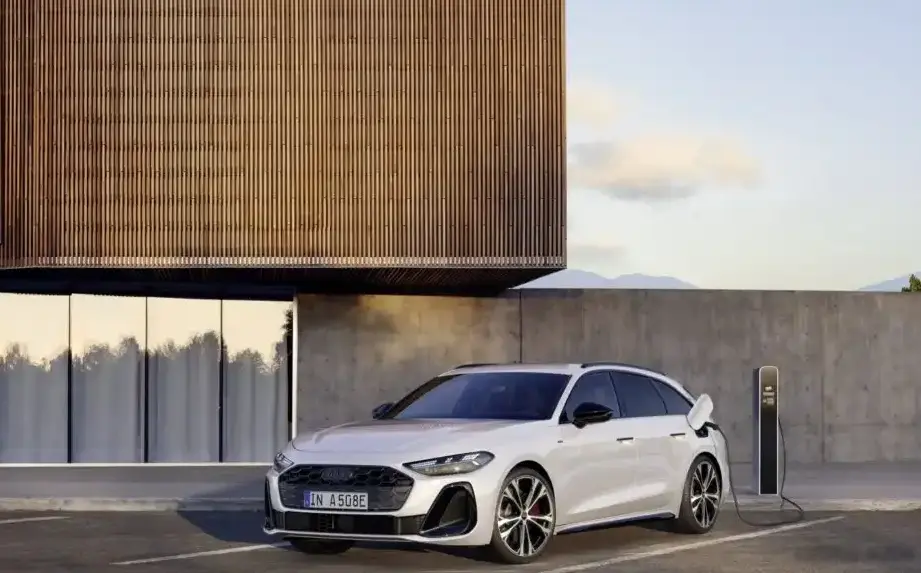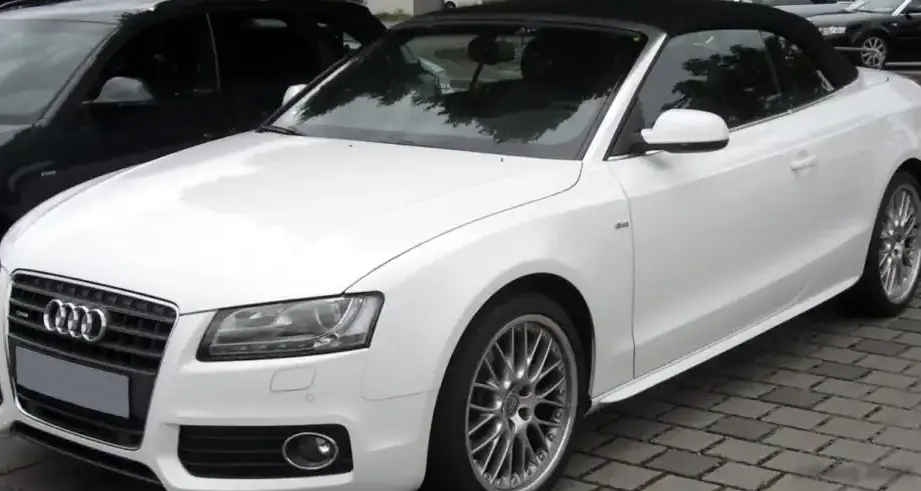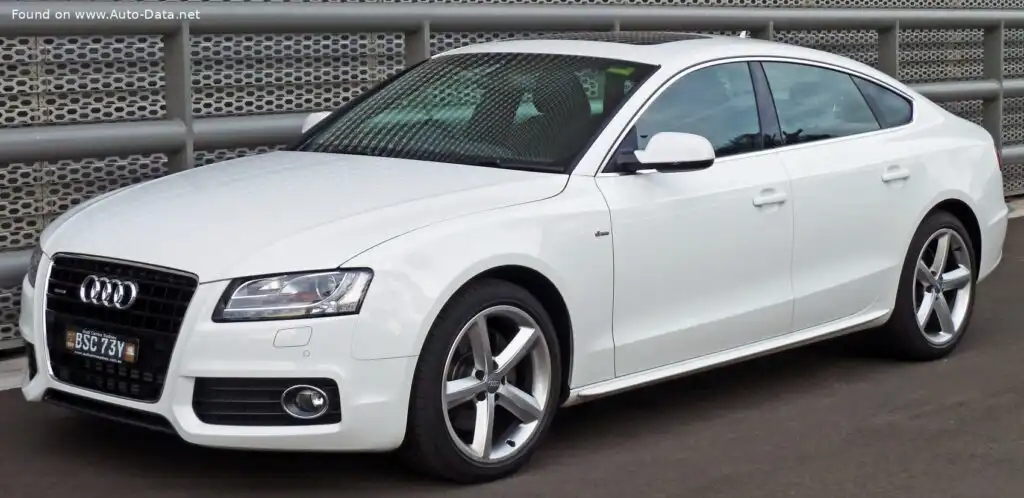
The Audi A5 Sportback 2.7 TDI V6 (190 hp) Multitronic, produced between 2009 and 2011, represents a compelling blend of practicality, performance, and efficiency within the broader Audi A5 (8TA) range. Positioned as a mid-range offering, it catered to buyers seeking a more refined and powerful alternative to the entry-level 1.8 TFSI and 2.0 TDI models, while remaining more accessible than the flagship S5 variants. The Sportback body style, a five-door fastback, distinguished itself from the coupe and cabriolet versions, offering enhanced rear passenger access and cargo versatility. This variant was primarily marketed in Europe, where diesel engines held significant market share, and offered a sophisticated driving experience coupled with respectable fuel economy.
Technical Specifications
| Brand | Audi |
| Model | A5 |
| Generation | A5 Sportback (8TA) |
| Type (Engine) | 2.7 TDI V6 (190 Hp) Multitronic |
| Start of production | 2009 |
| End of production | 2011 |
| Powertrain Architecture | Internal Combustion engine |
| Body type | Fastback |
| Seats | 4 |
| Doors | 5 |
| Fuel consumption (urban) | 8 l/100 km (29.4 US mpg, 35.3 UK mpg, 12.5 km/l) |
| Fuel consumption (extra urban) | 5.6 l/100 km (42 US mpg, 50.4 UK mpg, 17.9 km/l) |
| Fuel consumption (combined) | 6.5 l/100 km (36.2 US mpg, 43.5 UK mpg, 15.4 km/l) |
| CO2 emissions | 169 g/km |
| Fuel Type | Diesel |
| Acceleration 0 – 100 km/h | 7.9 sec |
| Acceleration 0 – 62 mph | 7.9 sec |
| Acceleration 0 – 60 mph | 7.5 sec |
| Maximum speed | 224 km/h (139.19 mph) |
| Emission standard | Euro 5 |
| Weight-to-power ratio | 8.6 kg/Hp, 115.9 Hp/tonne |
| Weight-to-torque ratio | 4.1 kg/Nm, 243.9 Nm/tonne |
| Power | 190 Hp @ 3500-4400 rpm |
| Power per litre | 70.4 Hp/l |
| Torque | 400 Nm @ 1400-3250 rpm (295.02 lb.-ft. @ 1400-3250 rpm) |
| Engine layout | Front, Longitudinal |
| Engine Model/Code | CAMA, CGKA |
| Engine displacement | 2698 cm3 (164.64 cu. in.) |
| Number of cylinders | 6 |
| Engine configuration | V-engine |
| Cylinder Bore | 83 mm (3.27 in.) |
| Piston Stroke | 83.1 mm (3.27 in.) |
| Compression ratio | 16.8:1 |
| Number of valves per cylinder | 4 |
| Fuel injection system | Diesel Commonrail |
| Engine aspiration | Turbocharger, Intercooler |
| Valvetrain | DOHC |
| Engine oil capacity | 6.9 l (7.29 US qt | 6.07 UK qt) |
| Kerb Weight | 1640 kg (3615.58 lbs.) |
| Max. weight | 2170 kg (4784.03 lbs.) |
| Max load | 530 kg (1168.45 lbs.) |
| Trunk (boot) space – minimum | 480 l (16.95 cu. ft.) |
| Trunk (boot) space – maximum | 980 l (34.61 cu. ft.) |
| Fuel tank capacity | 65 l (17.17 US gal | 14.3 UK gal) |
| Max. roof load | 90 kg (198.42 lbs.) |
| Permitted trailer load with brakes (8%) | 1900 kg (4188.78 lbs.) |
| Permitted trailer load with brakes (12%) | 1700 kg (3747.86 lbs.) |
| Permitted trailer load without brakes | 750 kg (1653.47 lbs.) |
| Permitted towbar download | 80 kg (176.37 lbs.) |
| Length | 4711 mm (185.47 in.) |
| Width | 1854 mm (72.99 in.) |
| Height | 1391 mm (54.76 in.) |
| Wheelbase | 2810 mm (110.63 in.) |
| Front track | 1590 mm (62.6 in.) |
| Rear (Back) track | 1575 mm (62.01 in.) |
| Drag coefficient (Cd) | 0.30 |
| Minimum turning circle (turning diameter) | 11.5 m (37.73 ft.) |
| Drivetrain Architecture | The Internal combustion engine (ICE) drives the front wheels of the vehicle. |
| Drive wheel | Front wheel drive |
| Number of gears and type of gearbox | automatic transmission Multitronic |
| Front suspension | Independent multi-link suspension |
| Rear suspension | Independent multi-link spring suspension with stabilizer |
| Front brakes | Ventilated discs |
| Rear brakes | Disc |
| Assisting systems | ABS (Anti-lock braking system) |
| Steering type | Steering rack and pinion |
| Power steering | Electric Steering |
| Tires size | 225/50 R17 |
| Wheel rims size | 7.5J x 17 |
Powertrain & Engine Architecture
At the heart of the A5 Sportback 2.7 TDI lies the CAMA or CGKA engine code, a 2.7-liter V6 turbodiesel. This engine is a member of the Volkswagen Group’s modular engine family, known for its robust construction and refined operation. It features a common rail direct injection system, delivering fuel at extremely high pressures for optimized combustion. The engine utilizes a single turbocharger with an intercooler to enhance power and efficiency. The double overhead camshaft (DOHC) valvetrain, with four valves per cylinder, contributes to the engine’s breathing efficiency and power output. Paired with this engine is Audi’s Multitronic continuously variable transmission (CVT). This transmission, unlike traditional automatics with fixed gear ratios, offers a seamless and stepless gear change, optimizing engine speed for efficiency and performance. The Multitronic utilizes a chain-driven system, known for its durability, but requires specific maintenance intervals with oil changes.
Driving Characteristics
The 190 hp and 400 Nm (295 lb-ft) of torque delivered by the 2.7 TDI, combined with the Multitronic transmission, resulted in a smooth and effortless driving experience. Acceleration from 0-60 mph took approximately 7.5 to 7.9 seconds, making it noticeably quicker than the base 1.8 TFSI models. While not as overtly sporty as the S5, the 2.7 TDI provided ample power for comfortable highway cruising and overtaking maneuvers. The Multitronic transmission, while efficient, lacked the immediate responsiveness of a dual-clutch transmission or a traditional manual gearbox. Gear ratios were continuously adjusted to keep the engine within its optimal power band, but some drivers found the experience less engaging. Compared to the higher-output 240 hp version of the 2.7 TDI, this variant offered a more balanced approach, prioritizing fuel economy and refinement over outright performance.
Equipment & Trim Levels
The A5 Sportback 2.7 TDI typically came well-equipped, reflecting its mid-range positioning. Standard features included automatic climate control, a multi-function steering wheel, alloy wheels (typically 17-inch), and an Audi Concert audio system. Interior upholstery was generally cloth or a combination of cloth and leatherette. Optional extras included leather seats, a sunroof, navigation system, parking sensors, and upgraded audio systems like the Bang & Olufsen sound system. Trim levels varied slightly depending on the market, but generally offered packages that bundled popular options together.
Chassis & Braking
The A5 Sportback featured a sophisticated chassis design. Front suspension utilized an independent multi-link setup, providing excellent ride comfort and handling. The rear suspension also employed an independent multi-link configuration, further enhancing ride quality and stability. Braking systems consisted of ventilated discs at the front and solid discs at the rear. Anti-lock Braking System (ABS) was standard, ensuring safe and controlled braking in various conditions. Stabilizer bars were fitted to both the front and rear axles to reduce body roll during cornering.
Market Reception & Comparison
The Audi A5 Sportback 2.7 TDI was generally well-received by automotive critics. It was praised for its stylish design, spacious interior, refined engine, and comfortable ride. Fuel economy was a significant selling point, with combined figures around 6.5 l/100 km (36.2 US mpg). Compared to the 1.8 TFSI, the 2.7 TDI offered significantly more torque and a more relaxed driving experience, albeit at a higher price point. Against the 2.0 TDI, the V6 engine provided superior refinement and power, but with slightly higher running costs. Reliability was generally good, although the Multitronic transmission required diligent maintenance to prevent issues.
Legacy
The 2.7 TDI engine, in its various iterations, proved to be a durable and reliable powerplant. However, the Multitronic transmission remains a potential area of concern for used car buyers. Regular oil changes, as per Audi’s recommended schedule, are crucial for maintaining its longevity. Today, the A5 Sportback 2.7 TDI represents a compelling value proposition in the used car market, offering a blend of style, practicality, and performance. Well-maintained examples continue to provide a comfortable and enjoyable driving experience, and remain a popular choice for those seeking a refined and efficient grand tourer.