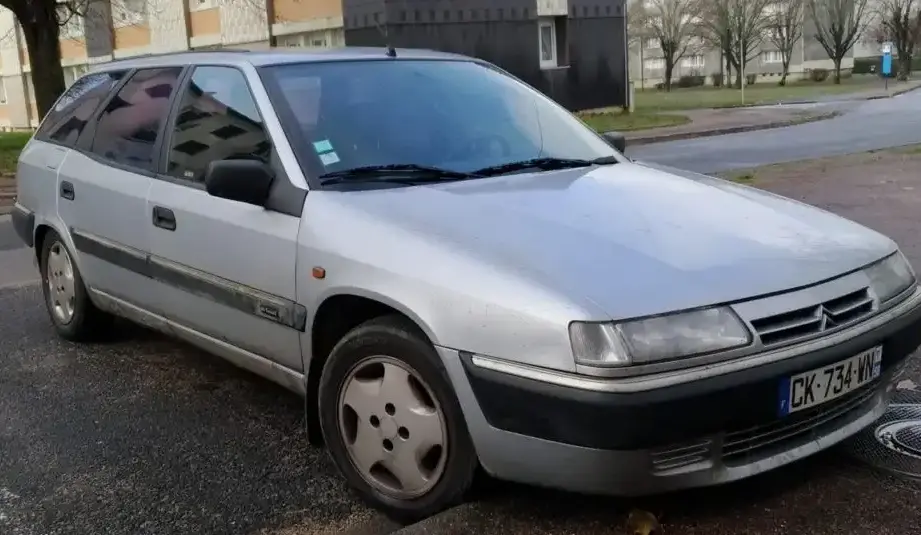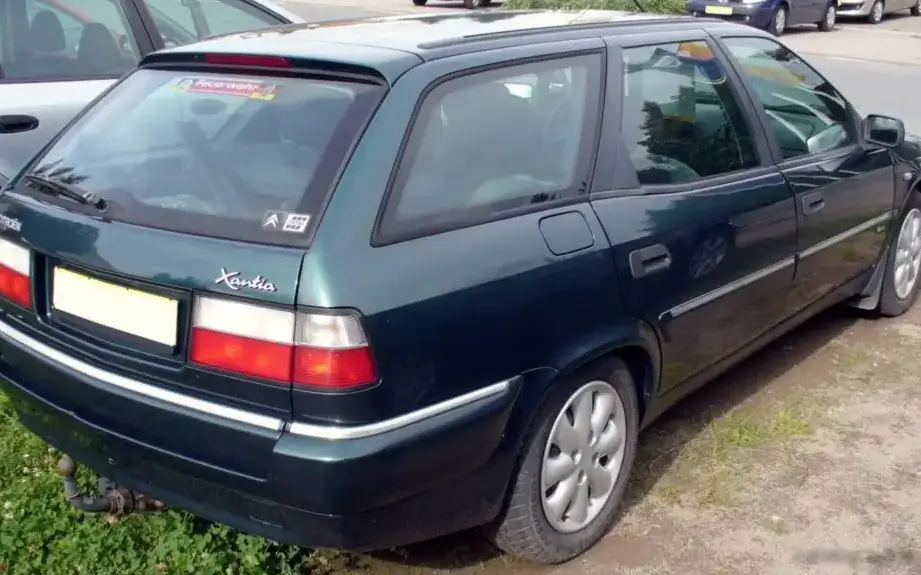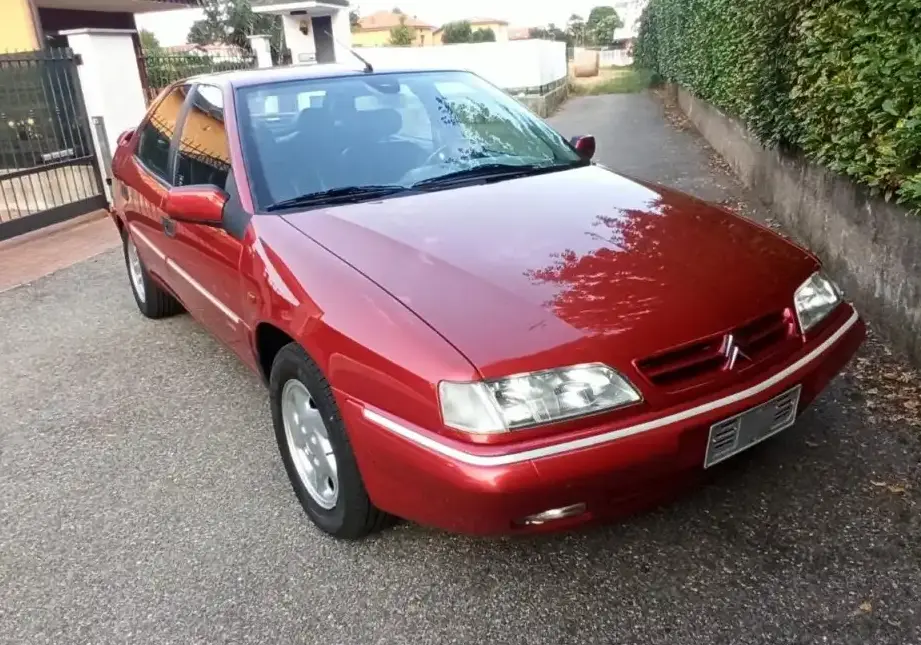
The Citroen Xantia 2.0 HDi (109 hp) was a variant of the X2 generation Xantia, produced between 1999 and 2001. Positioned as a mid-range offering within the Xantia lineup, it aimed to provide a balance of fuel efficiency, reasonable performance, and comfort. The Xantia itself was a large family car, intended as a replacement for the Citroen BX, and represented a continuation of Citroen’s commitment to innovative suspension technology and distinctive styling. This particular 2.0 HDi model was a key part of Citroen’s push towards diesel power in the European market, offering a modern, turbocharged diesel engine in a practical and spacious package.
Technical Specifications
| Brand | Citroen |
| Model | Xantia |
| Generation | Xantia (X2) |
| Type (Engine) | 2.0 HDi (109 Hp) |
| Start of production | 1999 year |
| End of production | 2001 year |
| Powertrain Architecture | Internal Combustion engine |
| Body type | Hatchback |
| Seats | 5 |
| Doors | 4 |
| Fuel consumption (urban) | 7.4 l/100 km (31.8 US mpg, 38.2 UK mpg, 13.5 km/l) |
| Fuel consumption (extra urban) | 4.6 l/100 km (51.1 US mpg, 61.4 UK mpg, 21.7 km/l) |
| Fuel consumption (combined) | 5.6 l/100 km (42 US mpg, 50.4 UK mpg, 17.9 km/l) |
| CO2 emissions | 154 g/km |
| Fuel Type | Diesel |
| Acceleration 0 – 100 km/h | 12.5 sec |
| Acceleration 0 – 62 mph | 12.5 sec |
| Acceleration 0 – 60 mph | 11.9 sec |
| Maximum speed | 191 km/h (118.68 mph) |
| Weight-to-power ratio | 12.5 kg/Hp, 80.1 Hp/tonne |
| Weight-to-torque ratio | 5.4 kg/Nm, 183.7 Nm/tonne |
| Power | 109 Hp @ 4000 rpm |
| Power per litre | 54.6 Hp/l |
| Torque | 250 Nm @ 1750 rpm (184.39 lb.-ft. @ 1750 rpm) |
| Engine layout | Front, Transverse |
| Engine Model/Code | RHZ DW10ATED |
| Engine displacement | 1997 cm3 (121.86 cu. in.) |
| Number of cylinders | 4 |
| Engine configuration | Inline |
| Cylinder Bore | 85 mm (3.35 in.) |
| Piston Stroke | 88 mm (3.46 in.) |
| Compression ratio | 18:1 |
| Number of valves per cylinder | 2 |
| Fuel injection system | Diesel Commonrail |
| Engine aspiration | Turbocharger, Intercooler |
| Valvetrain | OHC |
| Engine oil capacity | 4.5 l (4.76 US qt | 3.96 UK qt) |
| Coolant | 9 l (9.51 US qt | 7.92 UK qt) |
| Kerb Weight | 1361 kg (3000.49 lbs.) |
| Max. weight | 1910 kg (4210.83 lbs.) |
| Max load | 549 kg (1210.34 lbs.) |
| Trunk (boot) space – minimum | 480 l (16.95 cu. ft.) |
| Trunk (boot) space – maximum | 878 l (31.01 cu. ft.) |
| Fuel tank capacity | 65 l (17.17 US gal | 14.3 UK gal) |
| Max. roof load | 75 kg (165.35 lbs.) |
| Permitted trailer load with brakes (12%) | 1500 kg (3306.93 lbs.) |
| Permitted trailer load without brakes | 715 kg (1576.31 lbs.) |
| Permitted towbar download | 85 kg (187.39 lbs.) |
| Length | 4524 mm (178.11 in.) |
| Width | 1755 mm (69.09 in.) |
| Width including mirrors | 1980 mm (77.95 in.) |
| Height | 1410 mm (55.51 in.) |
| Wheelbase | 2740 mm (107.87 in.) |
| Front track | 1502 mm (59.13 in.) |
| Rear (Back) track | 1454 mm (57.24 in.) |
| Front overhang | 983 mm (38.7 in.) |
| Rear overhang | 801 mm (31.54 in.) |
| Minimum turning circle | 10.8 m (35.43 ft.) |
| Drivetrain Architecture | The Internal combustion engine (ICE) drives the front wheels of the vehicle. |
| Drive wheel | Front wheel drive |
| Number of gears and type of gearbox | 5 gears, manual transmission |
| Front suspension | Independent type McPherson, Wishbone |
| Rear suspension | Hydro-pneumatic element, Wishbone |
| Front brakes | Ventilated discs |
| Rear brakes | Disc |
| Assisting systems | ABS (Anti-lock braking system) |
| Steering type | Steering rack and pinion |
| Power steering | Hydraulic Steering |
| Tires size | 205/60 R15 |
Powertrain & Engine Architecture
The heart of the Xantia 2.0 HDi was the DW10ATED engine, a 1997cc four-cylinder diesel. This engine, often referred to by its RHZ engine code, was a product of Peugeot-Citroen’s collaboration on diesel technology. It featured a cast iron block and aluminum cylinder head, employing a single overhead camshaft (OHC) design with two valves per cylinder. The key innovation was its use of a common rail direct injection system, which allowed for precise control of fuel delivery and contributed to improved efficiency and reduced noise compared to older diesel injection systems. A turbocharger with an intercooler was also included, boosting power output to 109 horsepower and 250 Nm (184 lb-ft) of torque. The engine was transversely mounted in the front of the vehicle. The Xantia 2.0 HDi typically came equipped with a five-speed manual transmission, although an automatic option was available, albeit less common. The automatic transmission was a conventional torque converter type, offering smooth but less engaging shifts compared to the manual.
Driving Characteristics
The 2.0 HDi engine provided a noticeable step up in performance compared to the lower-powered petrol engines available in the Xantia range. While not a sports car, the 109 hp and 250 Nm of torque delivered respectable acceleration, with a 0-60 mph time of around 11.9 seconds. The engine’s torque curve was relatively flat, providing good pulling power from low revs, making it well-suited for everyday driving and overtaking. The five-speed manual transmission allowed drivers to make the most of the engine’s power, while the automatic version prioritized comfort and ease of use. However, the automatic transmission did slightly diminish acceleration and fuel economy. The Xantia’s renowned hydropneumatic suspension system, a Citroen hallmark, provided a uniquely comfortable ride, absorbing bumps and imperfections in the road with ease. This, combined with the relatively quiet operation of the HDi engine, made for a refined driving experience.
Equipment & Trim Levels
The Xantia 2.0 HDi typically came with a reasonable level of standard equipment. This included central locking, electric front windows, power steering, and an ABS anti-lock braking system. Higher trim levels, such as the Exclusive, added features like air conditioning, alloy wheels, a sunroof, and upgraded interior trim. The interior upholstery was typically cloth, although leather options were available. The dashboard layout was functional and ergonomically designed, with clear instrumentation. Optional extras included a CD player, rear electric windows, and parking sensors.
Chassis & Braking
The Xantia featured independent suspension all around. The front suspension utilized a McPherson strut setup with a wishbone, while the rear suspension employed Citroen’s innovative hydropneumatic system with a trailing arm. This system allowed for self-leveling and adjustable ride height, contributing to the Xantia’s exceptional ride comfort. The braking system consisted of ventilated discs on the front wheels and solid discs on the rear. The ABS system helped to prevent wheel lock-up during hard braking, enhancing safety.
Market Reception & Comparison
The Xantia 2.0 HDi was generally well-received by automotive critics. It was praised for its fuel efficiency, comfortable ride, and refined engine. However, some critics noted that the interior styling was somewhat dated compared to newer rivals. Compared to the petrol-powered Xantia variants, the 2.0 HDi offered significantly better fuel economy and more torque, making it a more practical choice for long-distance driving. Compared to other diesel-powered family cars of the time, such as the Ford Mondeo TDDi, the Xantia offered a more distinctive driving experience thanks to its hydropneumatic suspension.
Legacy
The DW10ATED engine proved to be a reliable and durable unit, and many Xantia 2.0 HDi models are still on the road today. While the hydropneumatic suspension system can require specialized maintenance, it is generally robust when properly cared for. The Xantia 2.0 HDi remains a popular choice for those seeking a comfortable, fuel-efficient, and distinctive family car. In the used car market, these models typically command a reasonable price, reflecting their age and mileage, but also their enduring appeal and reputation for reliability.