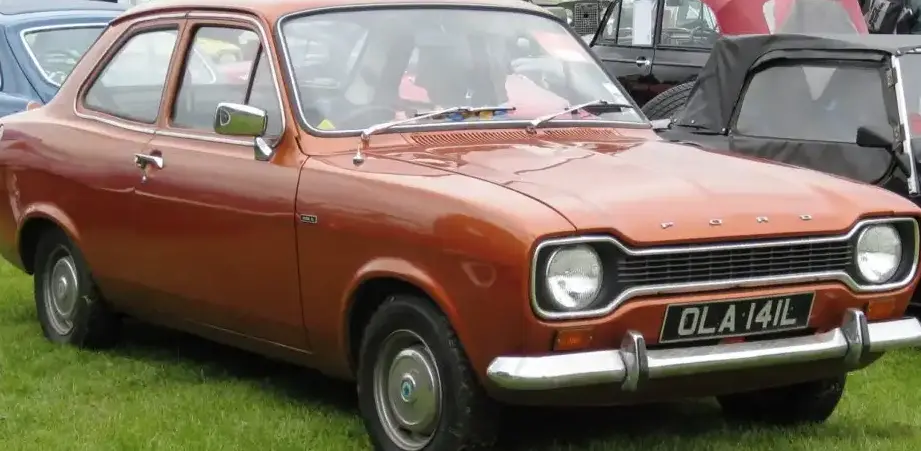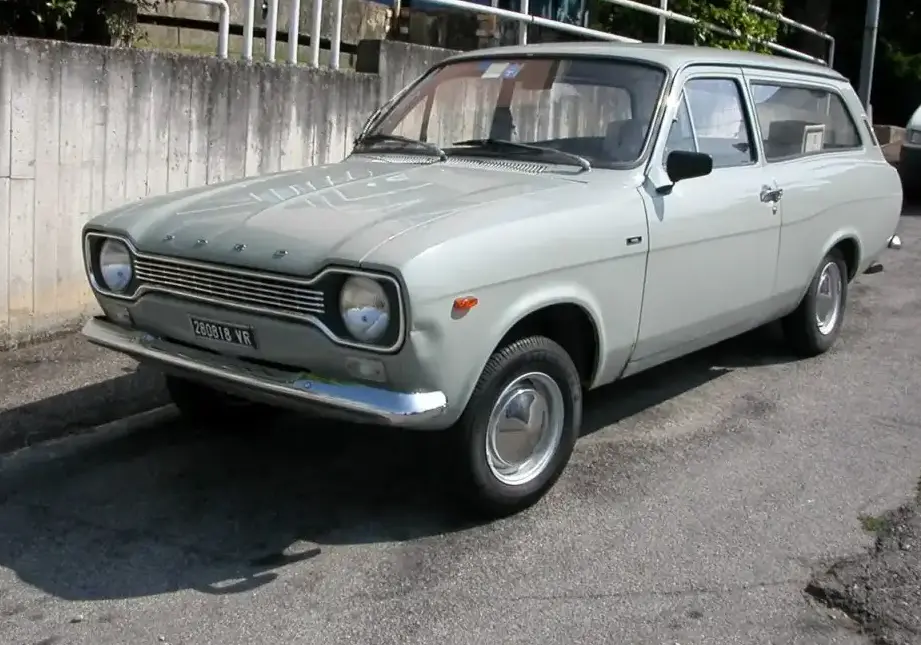
The Ford Escort II 1.6 RS, produced between 1974 and 1980, represented a performance-oriented variant within the broader Escort II (ATH) range. Positioned as a sporty upgrade over the standard Escort models, the 1.6 RS aimed to deliver a more engaging driving experience without the outright cost and complexity of the full-fledged RS2000. It occupied a niche between the base Escort models and the higher-performance RS2000, appealing to drivers seeking a balance of practicality and spirited performance. The Escort II itself was a significant update to the original Escort, offering improved refinement, safety, and styling while retaining the core characteristics that made the first generation a success.
Technical Specifications
| Brand | Ford |
| Model | Escort |
| Generation | Escort II (ATH) |
| Type (Engine) | 1.6 RS (84 Hp) |
| Start of Production | 1974 |
| End of Production | 1980 |
| Powertrain Architecture | Internal Combustion Engine |
| Body Type | Sedan |
| Fuel Type | Petrol (Gasoline) |
| Power | 84 Hp |
| Engine Aspiration | Naturally Aspirated |
Powertrain & Engine Architecture
The heart of the Escort II 1.6 RS was the 1600cc (1.6L) inline-four cylinder engine. While sharing a basic architecture with other Ford engines of the period, the ‘RS’ designation indicated several key modifications aimed at improving performance. The engine, typically identified by its Ford engine code, featured a higher compression ratio than standard Escort engines, along with a revised camshaft profile and a twin-barrel Weber carburetor. These changes allowed for increased airflow and improved combustion efficiency, resulting in the advertised 84 horsepower. The engine was constructed with a cast iron block and an aluminum cylinder head. The engine’s valvetrain employed an overhead valve (OHV) configuration, a common design for Ford engines of this era.
The 1.6 RS was typically paired with a four-speed manual transmission, although a three-speed automatic transmission was offered as an option, albeit less common. The manual transmission provided a more direct connection to the engine, enhancing the sporty driving experience. The automatic, while offering convenience, did diminish the car’s performance potential. The rear-wheel-drive layout was standard for the Escort II, contributing to its balanced handling characteristics.
Driving Characteristics
The Escort II 1.6 RS offered a noticeable step up in performance compared to the base Escort models. With 84 horsepower on tap, the 1.6 RS could achieve a respectable 0-60 mph time of around 11-12 seconds, depending on the transmission and final drive ratio. The manual transmission version felt more responsive and engaging, allowing the driver to fully exploit the engine’s power band. The automatic transmission, while smooth, resulted in some power loss and a less direct feel. The car’s relatively light weight – around 2,000 lbs – contributed to its nimble handling. The suspension, featuring independent front suspension and a live rear axle with leaf springs, provided a comfortable ride while maintaining reasonable control in corners. The steering was unassisted, offering good feedback but requiring some effort at low speeds.
Compared to the more powerful RS2000, the 1.6 RS felt less potent, particularly at higher speeds. The RS2000’s larger engine and more sophisticated suspension provided a significantly more exhilarating driving experience. However, the 1.6 RS offered a better balance of performance and affordability, making it a more accessible option for many buyers.
Equipment & Trim Levels
The Escort II 1.6 RS was generally well-equipped for its time, although it didn’t offer the same level of luxury as some of its competitors. Standard features typically included cloth upholstery, a basic instrument panel with speedometer, fuel gauge, and temperature gauge, and a four-spoke steering wheel. The RS trim also included some sporty touches, such as a black grille, body-colored bumpers, and a rear spoiler. Optional extras included a vinyl roof, upgraded audio system, and heated rear window. Interior trim was relatively basic, reflecting the car’s focus on practicality and affordability. The dashboard layout was functional and straightforward, with all essential controls within easy reach.
Chassis & Braking
The Escort II 1.6 RS utilized a robust chassis designed to handle the increased power output of the ‘RS’ engine. The front suspension featured independent MacPherson struts, providing good ride quality and handling. The rear suspension employed a live axle with leaf springs, a cost-effective and durable design. Braking was typically accomplished with disc brakes on the front wheels and drum brakes on the rear. While adequate for most driving conditions, the rear drum brakes were a limitation compared to the all-disc brake setup found on the RS2000. The steering system was a recirculating ball type, offering good precision but requiring some effort, especially at low speeds. Stabilizer bars were often included to reduce body roll during cornering.
Market Reception & Comparison
The Escort II 1.6 RS was generally well-received by automotive critics and enthusiasts. It was praised for its sporty handling, responsive engine, and affordability. However, some critics noted that the car’s performance was not as impressive as that of the RS2000. Fuel economy was reasonable for the time, averaging around 28-32 mpg. Reliability was generally good, although the Weber carburetor could sometimes require adjustment. Compared to other cars in its class, such as the Vauxhall/Opel Astra and Volkswagen Golf, the Escort II 1.6 RS offered a more engaging driving experience, but lacked some of the refinement and interior space of its rivals.
Legacy
The Ford Escort II 1.6 RS has become a popular classic car among enthusiasts. The engine, while not particularly powerful by modern standards, is relatively simple and reliable, making it easy to maintain. Parts availability is generally good, although some specific RS components can be difficult to find. The car’s lightweight construction and nimble handling continue to appeal to drivers who appreciate a classic driving experience. Today, well-maintained examples of the Escort II 1.6 RS command a respectable price in the used car market, reflecting their growing popularity and historical significance. The 1.6 RS represents a sweet spot in the Escort II lineup, offering a blend of performance, practicality, and affordability that continues to resonate with enthusiasts today.