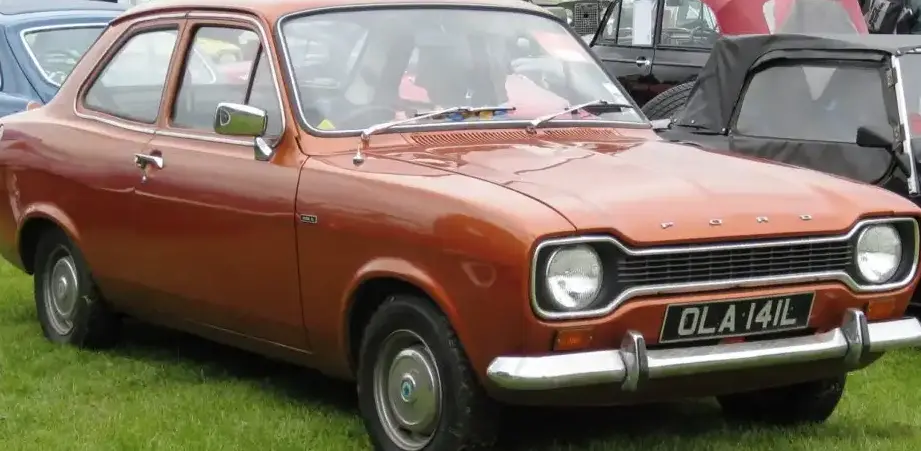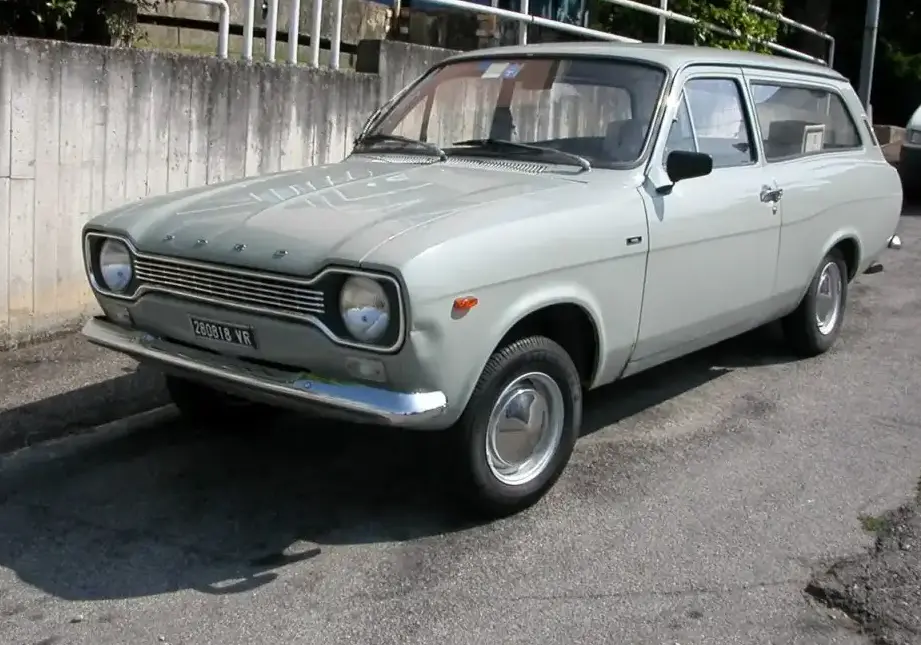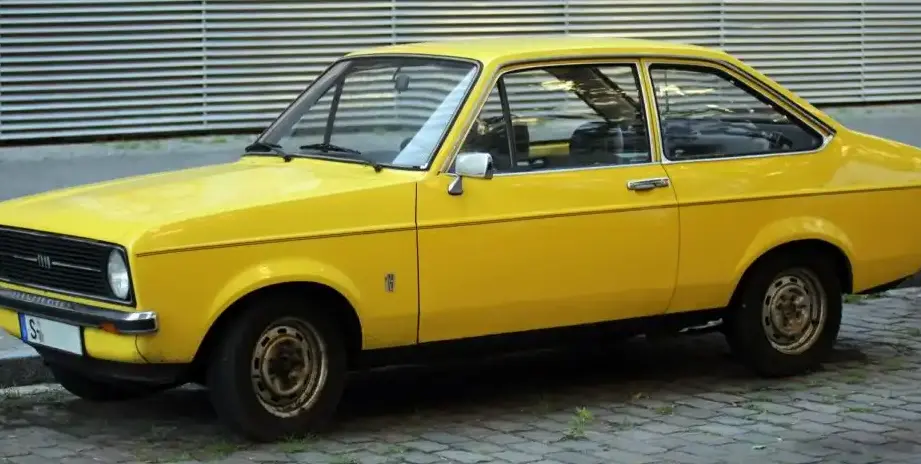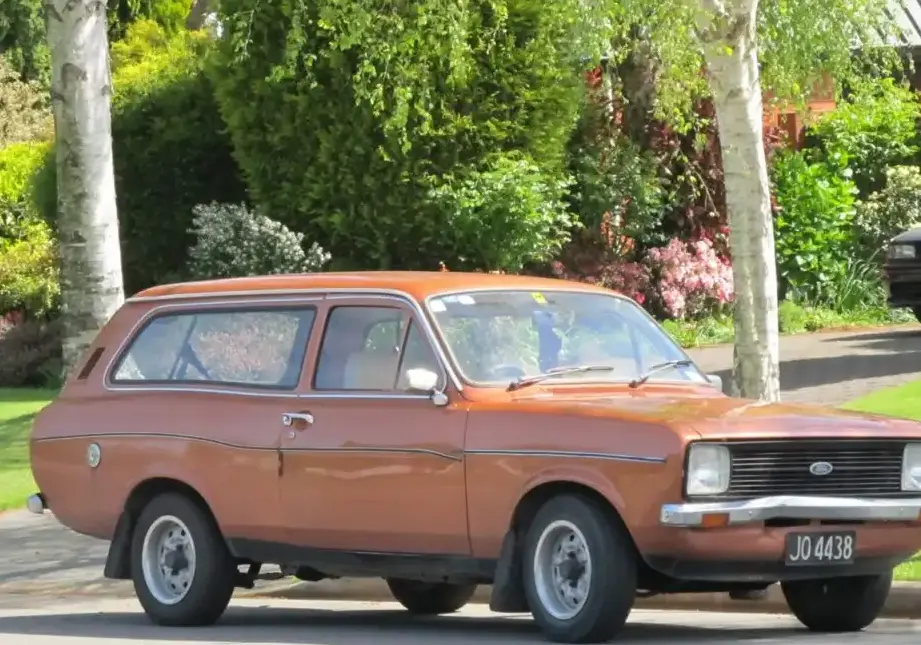
The Ford Escort II Turnier 1.3, designated with engine code CADR, was a station wagon variant produced between 1975 and 1979. It represented a practical and economical offering within the broader Escort II range, which itself was a significant evolution of the original Ford Escort. The Turnier, meaning “tournament” or “competition” in German, reflected Ford’s intention to offer a versatile vehicle suitable for both family and leisure activities. This particular 1.3-liter version occupied the entry-level position in the Turnier lineup, prioritizing affordability and fuel efficiency over outright performance. It was primarily aimed at buyers seeking a no-frills, reliable estate car for everyday use.
Technical Specifications
| Brand | Ford |
| Model | Escort |
| Generation | Escort II Turnier |
| Type (Engine) | 1.3 (CADR) (54 Hp) |
| Start of production | 1975 |
| End of production | 1979 |
| Powertrain Architecture | Internal Combustion engine |
| Body type | Station wagon (estate) |
| Fuel Type | Petrol (Gasoline) |
| Power | 54 Hp |
| Engine aspiration | Naturally aspirated engine |
Powertrain & Engine Architecture
The heart of the Escort II Turnier 1.3 CADR was a 1.3-liter inline-four cylinder engine. This engine, part of Ford’s Kent series, was a simple, pushrod-operated unit known for its durability and ease of maintenance. The CADR designation specifically indicates a version tuned for 54 horsepower. Fuel delivery was managed by a single downdraft carburetor, a common setup for vehicles of this era. The engine featured a two-valve per cylinder configuration and a relatively low compression ratio, contributing to its ability to run on lower octane fuel, which was a consideration in many European markets. The engine’s modest output was paired with a four-speed manual transmission as standard, although a three-speed automatic transmission was offered as an optional extra. The automatic, while providing convenience, further reduced acceleration performance. The engine block was cast iron, providing robustness, while the cylinder head was aluminum, helping to reduce weight. The engine’s design prioritized reliability and low running costs over high performance.
Driving Characteristics
The Escort II Turnier 1.3 CADR offered a predictably unhurried driving experience. With only 54 horsepower propelling a station wagon body, acceleration was modest, particularly when equipped with the optional automatic transmission. The car was geared towards comfortable cruising rather than spirited driving. The four-speed manual transmission allowed drivers to make the most of the available power, but even then, overtaking maneuvers required careful planning. The automatic transmission, while convenient, resulted in noticeable performance degradation. Gear ratios were relatively tall, emphasizing fuel economy at the expense of responsiveness. Handling was typical of cars from the 1970s – body roll was present, and the steering wasn’t particularly precise by modern standards. However, the suspension provided a reasonably comfortable ride, absorbing bumps and imperfections in the road surface effectively. The car felt stable and predictable, making it a safe and easy vehicle to drive.
Equipment & Trim Levels
The Escort II Turnier 1.3 CADR was positioned as the entry-level model, and its equipment level reflected this. Standard features were relatively basic, including cloth upholstery, vinyl floor covering, and simple steel wheels. The dashboard was functional but lacked elaborate instrumentation. A basic AM radio was often included, and optional extras such as a heater and upgraded seat fabrics were available. The Turnier trim generally added a few more comfort features compared to the base saloon models, such as rear window wiper and a larger cargo area. Interior trim colors were typically subdued, with options like dark blue or brown being common. The focus was on providing a practical and durable interior that could withstand the rigors of family use. The overall aesthetic was utilitarian, prioritizing functionality over luxury.
Chassis & Braking
The Escort II Turnier 1.3 CADR utilized a relatively simple chassis design. It featured a MacPherson strut front suspension and a leaf spring rear suspension. The rear leaf springs were a cost-effective solution for handling the weight of the station wagon body and providing adequate load-carrying capacity. Braking was initially provided by drum brakes on all four wheels, although front disc brakes became increasingly common as production progressed. The braking system was adequate for the car’s performance, but lacked the stopping power of more modern vehicles. Steering was a recirculating ball system, which provided a relatively heavy feel but was reliable and durable. The chassis was designed to prioritize ride comfort and stability over sporty handling. Stabilizer bars were not typically fitted to the base 1.3 models, further emphasizing the car’s comfort-oriented nature.
Market Reception & Comparison
The Escort II Turnier 1.3 CADR was generally well-received as a practical and affordable family car. Critics praised its spacious interior, fuel efficiency, and reliability. However, its modest performance was often noted. Compared to other trims in the Escort II lineup, such as the 1.6-liter versions, the 1.3 CADR offered significantly less power and acceleration. The 1.6-liter models were favored by drivers who prioritized performance, while the 1.3 CADR appealed to those seeking a more economical option. The 1.3 diesel version, while even slower, offered superior fuel economy. In terms of reliability, the 1.3 CADR engine was considered very robust, with few major issues reported. Fuel economy was a strong point, making it an attractive option for budget-conscious buyers. The Turnier body style itself was popular, offering a versatile cargo area that was ideal for families and those with active lifestyles.
Legacy
The Ford Escort II Turnier 1.3 CADR, while not a performance icon, holds a significant place in automotive history as a representative of the practical and affordable family cars of the 1970s. The CADR engine proved to be remarkably durable, and many examples are still on the road today. In the used car market, these Escort IIs are sought after by classic car enthusiasts and those looking for a simple, reliable vehicle. Parts availability is generally good, thanks to the car’s popularity and the continued support from Ford and aftermarket suppliers. While not particularly valuable, well-maintained examples can command a reasonable price. The Escort II Turnier 1.3 CADR represents a bygone era of automotive design, characterized by simplicity, durability, and practicality. It remains a testament to Ford’s ability to produce reliable and affordable vehicles that met the needs of a wide range of customers.