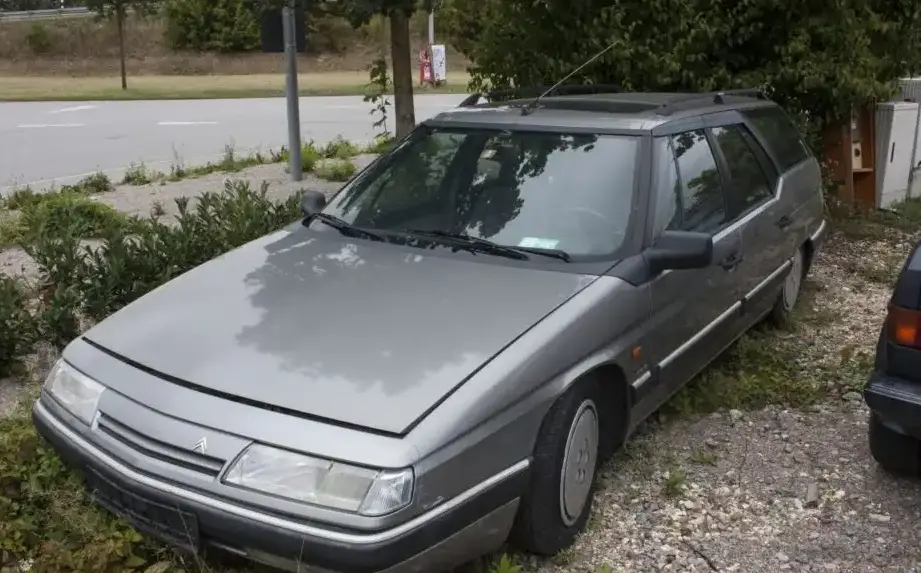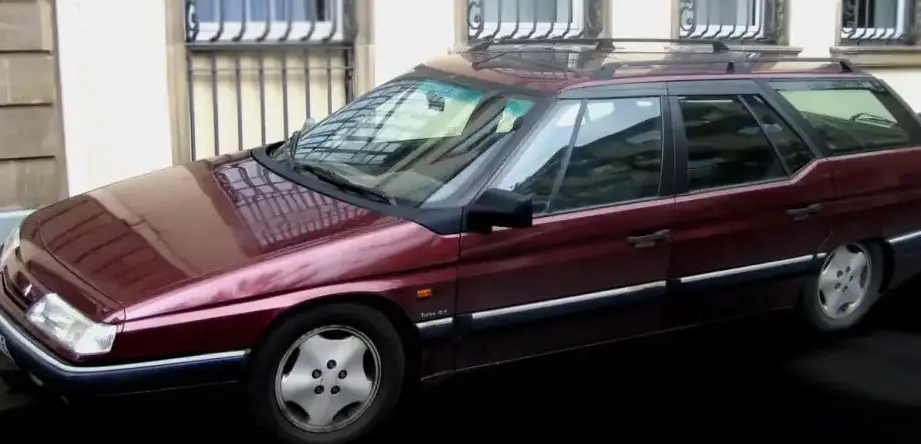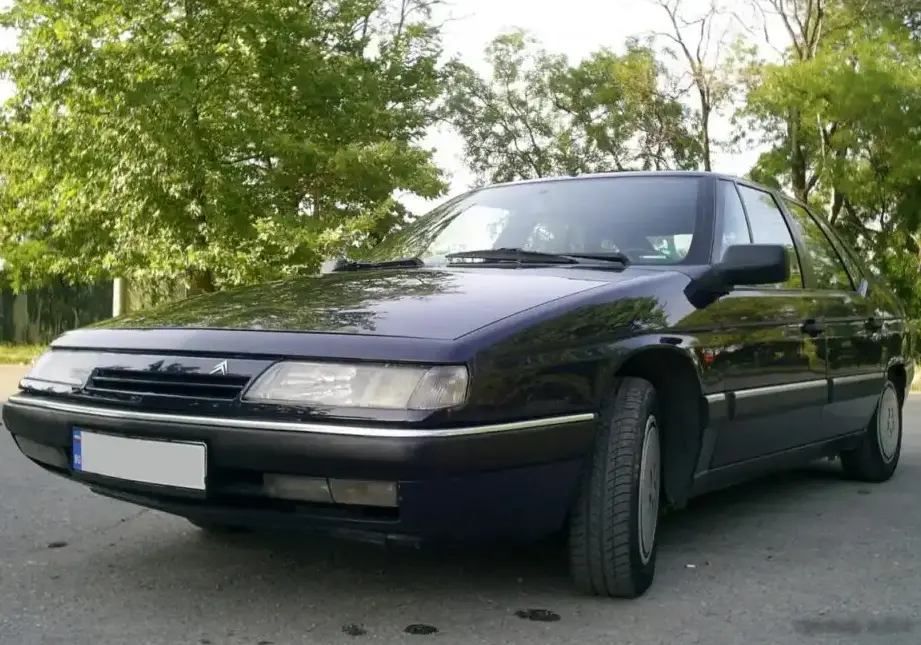
The Citroen XM (Y3) 2.0 (115 hp) was a variant of the innovative XM large family car produced by the French manufacturer between 1989 and 1992. Positioned as a mid-range offering within the XM lineup, it aimed to provide a balance between performance, comfort, and affordability. The XM, launched in 1989, represented a significant departure for Citroen, embracing a more aerodynamic and contemporary design compared to its predecessors. It was built on Citroen’s Project Xantia platform, later known as the PSA XUD platform, and was intended to compete with executive cars like the Ford Granada and Rover 800. This 2.0-liter version played a crucial role in establishing the XM as a viable alternative in the European market.
Technical Specifications
| Brand | Citroen |
| Model | XM |
| Generation | XM (Y3) |
| Type (Engine) | 2.0 (115 Hp) |
| Start of production | 1989 year |
| End of production | 1992 year |
| Powertrain Architecture | Internal Combustion engine |
| Body type | Hatchback |
| Seats | 5 |
| Doors | 5 |
| Fuel consumption (economy) – urban | 10.7 l/100 km (22 US mpg, 26.4 UK mpg, 9.3 km/l) |
| Fuel consumption (economy) – extra urban | 6.3 l/100 km (37.3 US mpg, 44.8 UK mpg, 15.9 km/l) |
| Fuel consumption (economy) – combined | 8.3 l/100 km (28.3 US mpg, 34 UK mpg, 12 km/l) |
| Fuel Type | Petrol (Gasoline) |
| Acceleration 0 – 100 km/h | 12.2 sec |
| Acceleration 0 – 62 mph | 12.2 sec |
| Acceleration 0 – 60 mph | 11.6 sec |
| Maximum speed | 193 km/h (119.92 mph) |
| Weight-to-power ratio | 11.1 kg/Hp, 89.8 Hp/tonne |
| Weight-to-torque ratio | 7.5 kg/Nm, 132.8 Nm/tonne |
| Power | 115 Hp @ 5800 rpm |
| Power per litre | 57.6 Hp/l |
| Torque | 170 Nm @ 2250 rpm (125.39 lb.-ft. @ 2250 rpm) |
| Maximum engine speed | 6300 rpm |
| Engine layout | Front, Transverse |
| Engine Model/Code | XU102C |
| Engine displacement | 1998 cm3 (121.93 cu. in.) |
| Number of cylinders | 4 |
| Engine configuration | Inline |
| Cylinder Bore | 86 mm (3.39 in.) |
| Piston Stroke | 86 mm (3.39 in.) |
| Compression ratio | 8.8:1 |
| Number of valves per cylinder | 2 |
| Fuel injection system | Carburettor |
| Engine aspiration | Naturally aspirated engine |
| Valvetrain | OHC |
| Engine oil capacity | 5.4 l (5.71 US qt | 4.75 UK qt) |
| Coolant | 7.6 l (8.03 US qt | 6.69 UK qt) |
| Kerb Weight | 1280 kg (2821.92 lbs.) |
| Max. weight | 1760 kg (3880.14 lbs.) |
| Max load | 480 kg (1058.22 lbs.) |
| Trunk (boot) space – minimum | 455 l (16.07 cu. ft.) |
| Trunk (boot) space – maximum | 1460 l (51.56 cu. ft.) |
| Fuel tank capacity | 80 l (21.13 US gal | 17.6 UK gal) |
| Max. roof load | 80 kg (176.37 lbs.) |
| Permitted trailer load with brakes (12%) | 1300 kg (2866.01 lbs.) |
| Permitted trailer load without brakes | 640 kg (1410.96 lbs.) |
| Permitted towbar download | 110 kg (242.51 lbs.) |
| Length | 4708 mm (185.35 in.) |
| Width | 1794 mm (70.63 in.) |
| Width including mirrors | 2000 mm (78.74 in.) |
| Height | 1385 mm (54.53 in.) |
| Wheelbase | 2850 mm (112.2 in.) |
| Front track | 1520 mm (59.84 in.) |
| Rear (Back) track | 1450 mm (57.09 in.) |
| Front overhang | 1068 mm (42.05 in.) |
| Rear overhang | 790 mm (31.1 in.) |
| Ride height (ground clearance) | 141 mm (5.55 in.) |
| Drag coefficient (Cd) | 0.30 |
| Minimum turning circle (turning diameter) | 12.5 m (41.01 ft.) |
| Drivetrain Architecture | The Internal combustion engine (ICE) drives the front wheels of the vehicle. |
| Drive wheel | Front wheel drive |
| Number of gears and type of gearbox | 5 gears, manual transmission |
| Front suspension | Independent type McPherson, Wishbone |
| Rear suspension | Hydro-pneumatic element, Trailing arm |
| Front brakes | Ventilated discs, 276×22 mm |
| Rear brakes | Drum, 224×9 mm |
| Steering type | Steering rack and pinion |
| Power steering | Hydraulic Steering |
| Tires size | 185/65 R15 |
Powertrain & Engine Architecture
The Citroen XM 2.0 utilized the XU102C engine, a 1998cc inline-four cylinder petrol engine. This engine was a mainstay in the PSA Group (Peugeot-Citroen) lineup for many years. The XU102C featured a single overhead camshaft (OHC) valvetrain with two valves per cylinder. Notably, this particular version employed a carburettor fuel injection system, a relatively outdated technology by the early 1990s, but one that contributed to its lower cost. The engine produced 115 horsepower at 5800 rpm and 170 Nm (125 lb-ft) of torque at 2250 rpm. The engine was transversely mounted in the front of the vehicle. The transmission was a five-speed manual gearbox, offering a relatively conventional driving experience.
Driving Characteristics
The 2.0-liter XM offered a comfortable, if not particularly sporty, driving experience. Acceleration from 0-60 mph took around 11.6 seconds, and the top speed was approximately 119.92 mph. Compared to the more powerful V6 versions of the XM, the 2.0 felt noticeably less responsive, especially during overtaking maneuvers. However, the five-speed manual transmission allowed drivers to make the most of the available power. The gear ratios were fairly well-spaced, providing adequate acceleration in most situations. The XM’s signature hydropneumatic suspension, even in this base trim, provided an exceptionally smooth and comfortable ride, absorbing bumps and imperfections in the road with ease.
Equipment & Trim Levels
The 2.0-liter XM typically came with a reasonable level of standard equipment. This included central locking, electric front windows, and a basic stereo system. Interior upholstery was typically cloth, and the dashboard featured a functional, if somewhat dated, design. Optional extras included air conditioning, a sunroof, and upgraded audio systems. The trim level was generally considered entry-level within the XM range, focusing on providing a comfortable and practical family car at a competitive price point.
Chassis & Braking
The XM featured independent front suspension using a McPherson strut and wishbone setup, providing good handling characteristics. The rear suspension utilized Citroen’s innovative hydropneumatic system, which offered self-leveling and adjustable ride height. This system contributed significantly to the XM’s renowned ride comfort. Braking was accomplished via ventilated discs on the front wheels and drum brakes on the rear. While adequate for normal driving conditions, the rear drum brakes were a point of criticism compared to the all-disc setups found on higher-spec XM models. Power steering was standard, making maneuvering at low speeds relatively easy.
Market Reception & Comparison
The Citroen XM 2.0 received mixed reviews. Critics praised its comfortable ride, spacious interior, and innovative technology, particularly the hydropneumatic suspension. However, the carburetted engine was often criticized for its lack of refinement and relatively low power output. Compared to the V6 versions, the 2.0-liter model was seen as a more sensible and economical choice, appealing to buyers who prioritized comfort and practicality over outright performance. Fuel economy was reasonable for its class, averaging around 28.3 US mpg in combined driving. Reliability was generally good, although the hydropneumatic suspension required regular maintenance to prevent issues.
Legacy
The Citroen XM 2.0, while not the most powerful or prestigious version of the XM, remains a fondly remembered car for its unique blend of comfort, innovation, and affordability. The XU102C engine, despite its carburetted fuel system, proved to be a durable and reliable unit when properly maintained. Today, the XM 2.0 can be found in the used car market, often at very affordable prices. However, potential buyers should be aware of the maintenance requirements of the hydropneumatic suspension and the potential for age-related issues. The XM, in all its variants, represents a bold and innovative chapter in Citroen’s history, and the 2.0-liter model played a significant role in bringing that innovation to a wider audience.