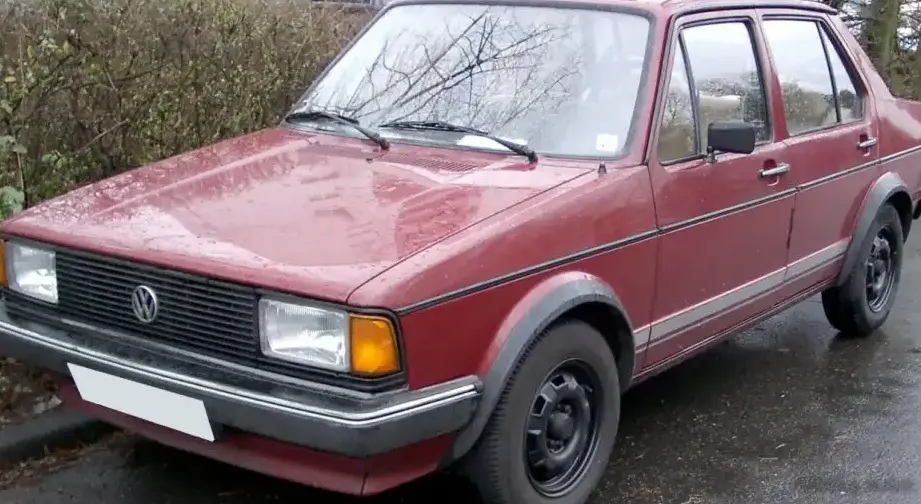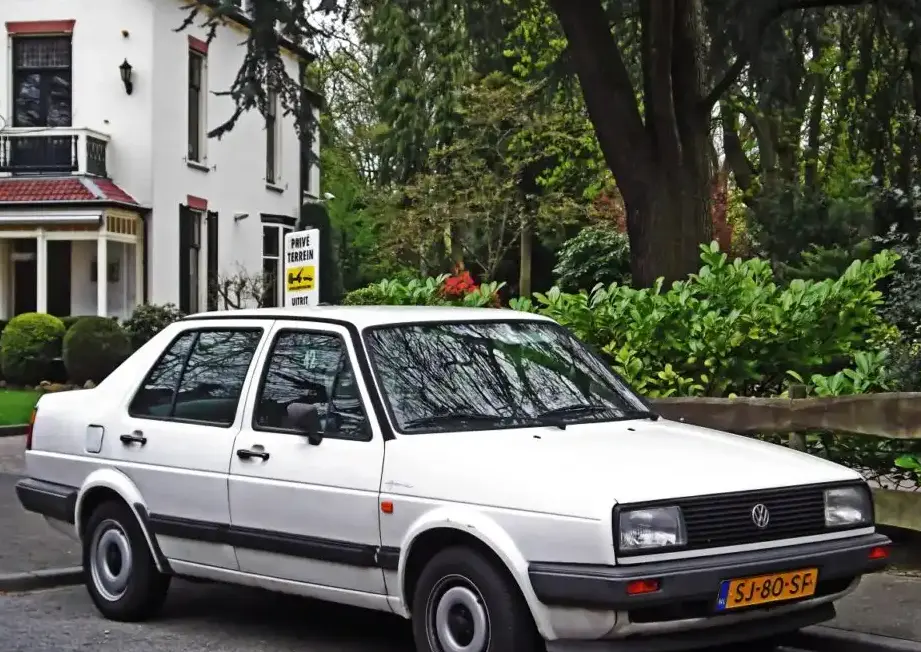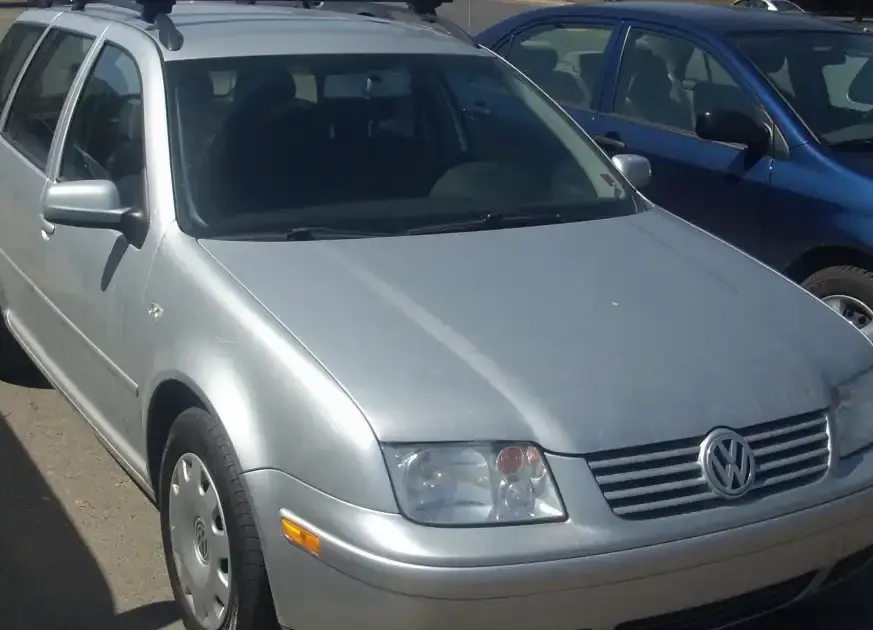
The Volkswagen Jetta IV Wagon 2.3 VR5, produced between 1998 and 2005, represented a unique offering within the fourth-generation Jetta (Mk4) lineup. Positioned as a more premium and distinctive variant, the VR5 wagon combined the practicality of a station wagon body style with Volkswagen’s unusual narrow-angle V5 engine. It was primarily sold in Europe and North America, offering a blend of performance and space that appealed to buyers seeking something beyond the standard four-cylinder Jettas. This model sat above the base 1.8T trims in terms of price and performance, but below the higher-performance offerings like the later VR6 models.
Technical Specifications
| Brand | Volkswagen |
| Model | Jetta |
| Generation | Jetta IV Wagon |
| Type (Engine) | 2.3 VR5 (150 Hp) |
| Start of production | 1998 |
| End of production | 2005 |
| Powertrain Architecture | Internal Combustion engine |
| Body type | Station wagon (estate) |
| Seats | 5 |
| Doors | 5 |
| Fuel consumption (urban) | 13 l/100 km (18.1 US mpg, 21.7 UK mpg, 7.7 km/l) |
| Fuel consumption (extra urban) | 7 l/100 km (33.6 US mpg, 40.4 UK mpg, 14.3 km/l) |
| Fuel consumption (combined) | 9 l/100 km (26.1 US mpg, 31.4 UK mpg, 11.1 km/l) |
| Fuel Type | Petrol (Gasoline) |
| Acceleration 0 – 100 km/h | 9 sec |
| Acceleration 0 – 62 mph | 9 sec |
| Acceleration 0 – 60 mph | 8.6 sec |
| Maximum speed | 216 km/h (134.22 mph) |
| Weight-to-power ratio | 9.1 kg/Hp, 110.3 Hp/tonne |
| Weight-to-torque ratio | 6.6 kg/Nm, 150.7 Nm/tonne |
| Power | 150 Hp @ 6000 rpm |
| Power per litre | 64.5 Hp/l |
| Torque | 205 Nm @ 3200 rpm (151.2 lb.-ft. @ 3200 rpm) |
| Engine layout | Front, Transverse |
| Engine Model/Code | AGZ |
| Engine displacement | 2324 cm3 (141.82 cu. in.) |
| Number of cylinders | 5 |
| Engine configuration | V-engine |
| Cylinder Bore | 81 mm (3.19 in.) |
| Piston Stroke | 90.2 mm (3.55 in.) |
| Compression ratio | 10:1 |
| Number of valves per cylinder | 2 |
| Fuel injection system | Multi-port manifold injection |
| Engine aspiration | Naturally aspirated engine |
| Valvetrain | DOHC |
| Engine oil capacity | 3.9 l (4.12 US qt | 3.43 UK qt) |
| Coolant capacity | 9 l (9.51 US qt | 7.92 UK qt) |
| Kerb Weight | 1360 kg (2998.29 lbs.) |
| Max. weight | 1855 kg (4089.57 lbs.) |
| Max load | 495 kg (1091.29 lbs.) |
| Trunk (boot) space – minimum | 460 l (16.24 cu. ft.) |
| Trunk (boot) space – maximum | 1470 l (51.91 cu. ft.) |
| Fuel tank capacity | 55 l (14.53 US gal | 12.1 UK gal) |
| Length | 4409 mm (173.58 in.) |
| Width | 1735 mm (68.31 in.) |
| Height | 1473 mm (57.99 in.) |
| Wheelbase | 2515 mm (99.02 in.) |
| Front track | 1513 mm (59.57 in.) |
| Rear (Back) track | 1494 mm (58.82 in.) |
| Drivetrain Architecture | The Internal combustion engine (ICE) drives the front wheels of the vehicle. |
| Drive wheel | Front wheel drive |
| Number of gears and type of gearbox | 5 gears, manual transmission |
| Front suspension | Coil spring |
| Rear suspension | Coil spring |
| Front brakes | Ventilated discs |
| Rear brakes | Disc |
| Assisting systems | ABS (Anti-lock braking system) |
| Steering type | Steering rack and pinion |
| Power steering | Hydraulic Steering |
| Tires size | 205/55 R16 |
| Wheel rims size | 6.5J x 16 |
Powertrain & Engine Architecture
The heart of the Jetta IV Wagon VR5 was the AGZ engine, a 2.3-liter naturally aspirated V5. This engine was notable for its relatively compact design, achieved by arranging five cylinders in a narrow V-configuration – essentially half of a traditional V10. It featured a dual overhead camshaft (DOHC) valvetrain with two valves per cylinder, and utilized multi-port fuel injection. The AGZ produced 150 horsepower at 6000 rpm and 205 Nm (151.2 lb-ft) of torque at 3200 rpm. The engine’s unique firing order contributed to a distinctive exhaust note. The standard transmission was a 5-speed manual, providing a direct connection to the front wheels. While an automatic transmission was available, it was a four-speed unit, and generally considered less responsive than the manual.
Driving Characteristics
The 2.3 VR5 with the 5-speed manual transmission offered a reasonably engaging driving experience. Acceleration from 0-60 mph took around 8.6 seconds, making it noticeably quicker than the base 1.8L four-cylinder models. The engine provided a broad torque curve, making it flexible in everyday driving situations. The four-speed automatic, however, dulled performance somewhat, with slightly slower acceleration times. The automatic’s gear ratios weren’t optimized for maximizing the engine’s output, resulting in a less spirited feel. Handling was typical for a front-wheel-drive wagon of the era – safe and predictable, but not particularly sporty. The VR5’s added weight over the four-cylinder models was noticeable, particularly during cornering.
Equipment & Trim Levels
The Jetta IV Wagon VR5 typically came with a fairly generous level of standard equipment. This included power windows, power locks, air conditioning, and an upgraded audio system. Interior upholstery was usually cloth, but leather options were available. Higher trim levels added features like heated front seats, a sunroof, and alloy wheels. Optional extras included a navigation system (a relatively new feature at the time) and upgraded sound systems. The dashboard layout was consistent with other Mk4 Jettas, featuring a clean and functional design.
Chassis & Braking
The Jetta IV Wagon VR5 utilized a MacPherson strut front suspension and a multi-link rear suspension, providing a comfortable ride. Brakes were ventilated discs at the front and solid discs at the rear. Anti-lock Braking System (ABS) was standard. The suspension was tuned for comfort rather than outright performance, prioritizing ride quality over sharp handling. Stabilizer bars were fitted front and rear to reduce body roll, but the wagon’s higher center of gravity limited its cornering ability.
Market Reception & Comparison
The Jetta IV Wagon VR5 was generally well-received by automotive critics. It was praised for its unique engine, spacious interior, and overall refinement. However, the higher price tag compared to the four-cylinder models was a drawback for some buyers. Compared to the 1.8T Jetta Wagon, the VR5 offered more power and a more distinctive engine note, but at the cost of slightly lower fuel economy. The VR6 Jetta Wagon, introduced later in the production run, offered even more performance, but was significantly more expensive. The VR5 occupied a niche position, appealing to buyers who wanted something different and were willing to pay a premium for it.
Legacy
The AGZ VR5 engine, while not known for being exceptionally powerful, proved to be relatively reliable. Common issues included oil leaks and occasional problems with the ignition system. However, with proper maintenance, these engines could last for many years. Today, the Jetta IV Wagon VR5 is becoming increasingly sought after by enthusiasts who appreciate its unique character and relative rarity. Parts availability is generally good, as many components are shared with other Mk4 Volkswagen models. The VR5 wagon represents a distinctive and often overlooked chapter in Volkswagen’s history, offering a blend of practicality, performance, and individuality.