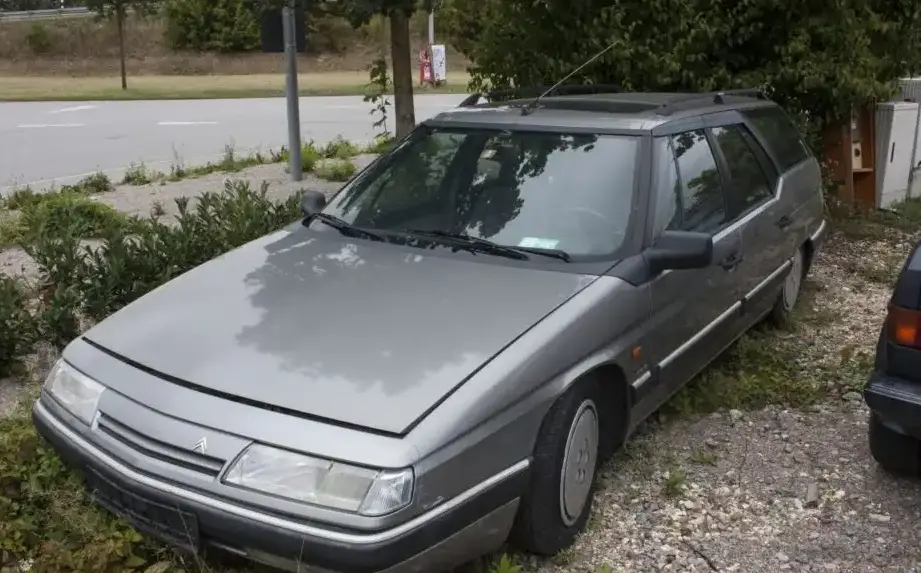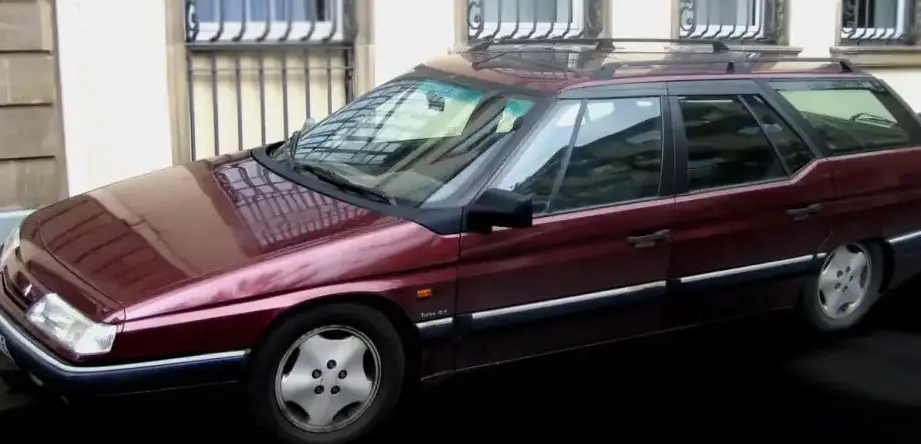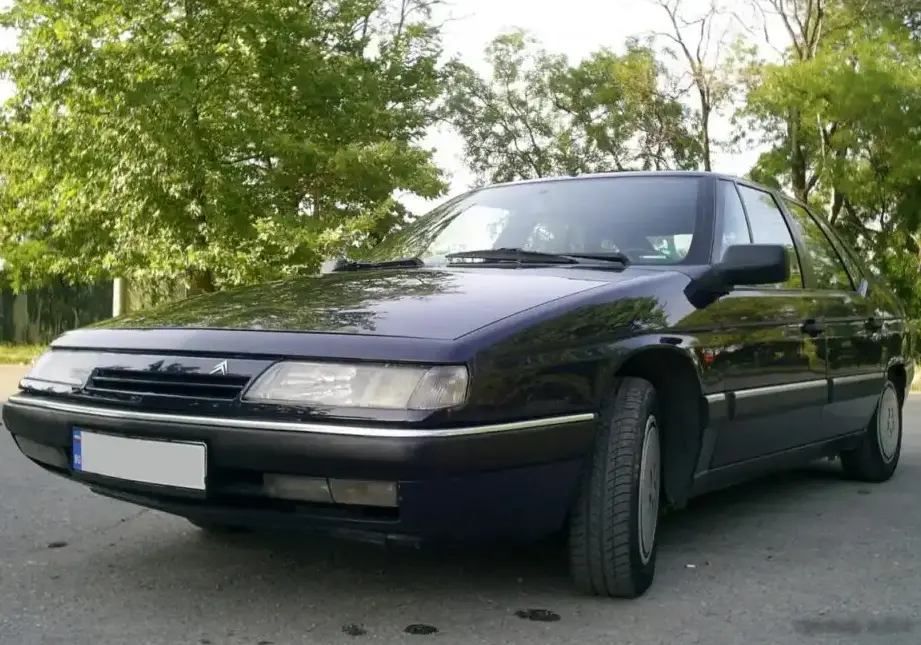
The Citroen XM (Y3) 2.1 Turbo D12 Automatic, produced between 1989 and 1994, represents a unique offering within the innovative XM range. Positioned as a mid-range variant, it combined the fuel efficiency of a diesel engine with the convenience of an automatic transmission, appealing to buyers seeking a comfortable and practical grand tourer. The XM, launched as Citroen’s replacement for the CX, was a technologically advanced vehicle, known for its distinctive styling and hydropneumatic suspension. This particular 2.1-liter turbocharged diesel automatic model aimed to provide a balance between performance and economy, catering to a segment of the market that valued refinement over outright speed.
Technical Specifications
| Brand | Citroen |
| Model | XM |
| Generation | XM (Y3) |
| Type (Engine) | 2.1 Turbo D12 (110 Hp) Automatic |
| Start of production | 1989 |
| End of production | 1994 |
| Powertrain Architecture | Internal Combustion engine |
| Body type | Hatchback |
| Seats | 5 |
| Doors | 5 |
| Fuel consumption (urban) | 9.7 l/100 km (24.2 US mpg) |
| Fuel consumption (extra urban) | 5.4 l/100 km (43.6 US mpg) |
| Fuel Type | Diesel |
| Acceleration 0 – 100 km/h | 14.9 sec |
| Acceleration 0 – 62 mph | 14.9 sec |
| Acceleration 0 – 60 mph | 14.2 sec |
| Maximum speed | 190 km/h (118.06 mph) |
| Weight-to-power ratio | 13.3 kg/Hp |
| Weight-to-torque ratio | 6 kg/Nm |
| Power | 110 Hp @ 4300 rpm |
| Power per litre | 52.7 Hp/l |
| Torque | 245 Nm @ 2000 rpm (180.7 lb.-ft. @ 2000 rpm) |
| Engine layout | Front, Transverse |
| Engine Model/Code | PHZ XUD11ATE |
| Engine displacement | 2088 cm3 (127.42 cu. in.) |
| Number of cylinders | 4 |
| Engine configuration | Inline |
| Cylinder Bore | 85 mm (3.35 in.) |
| Piston Stroke | 92 mm (3.62 in.) |
| Compression ratio | 21.5:1 |
| Number of valves per cylinder | 3 |
| Fuel injection system | Precombustion chamber injection |
| Engine aspiration | Turbocharger, Intercooler |
| Engine oil capacity | 4.25 l (4.49 US qt | 3.74 UK qt) |
| Coolant | 11.4 l (12.05 US qt | 10.03 UK qt) |
| Kerb Weight | 1466 kg (3231.98 lbs.) |
| Max. weight | 1910 kg (4210.83 lbs.) |
| Max load | 444 kg (978.85 lbs.) |
| Trunk (boot) space – minimum | 455 l (16.07 cu. ft.) |
| Trunk (boot) space – maximum | 1460 l (51.56 cu. ft.) |
| Fuel tank capacity | 80 l (21.13 US gal | 17.6 UK gal) |
| Max. roof load | 80 kg (176.37 lbs.) |
| Permitted trailer load with brakes (12%) | 1500 kg (3306.93 lbs.) |
| Permitted trailer load without brakes | 733 kg (1615.99 lbs.) |
| Permitted towbar download | 110 kg (242.51 lbs.) |
| Length | 4708 mm (185.35 in.) |
| Width | 1794 mm (70.63 in.) |
| Width including mirrors | 2000 mm (78.74 in.) |
| Height | 1385 mm (54.53 in.) |
| Wheelbase | 2850 mm (112.2 in.) |
| Front track | 1520 mm (59.84 in.) |
| Rear (Back) track | 1450 mm (57.09 in.) |
| Front overhang | 1068 mm (42.05 in.) |
| Rear overhang | 790 mm (31.1 in.) |
| Ride height (ground clearance) | 141 mm (5.55 in.) |
| Minimum turning circle (turning diameter) | 12.5 m (41.01 ft.) |
| Drivetrain Architecture | Front wheel drive |
| Number of gears and type of gearbox | 4 gears, automatic transmission |
| Front suspension | Independent type McPherson, Wishbone |
| Rear suspension | Hydro-pneumatic element, Trailing arm |
| Front brakes | Ventilated discs |
| Rear brakes | Disc |
| Assisting systems | ABS (Anti-lock braking system) |
| Steering type | Steering rack and pinion |
| Power steering | Hydraulic Steering |
| Tires size | 195/65 R15 |
INTRODUCTION
The Citroen XM Y3 2.1 Turbo D12 Automatic, launched in 1989, was a significant addition to Citroen’s lineup. Built on the platform designated 1HX0/A3, the XM aimed to blend luxury, comfort, and advanced technology. This variant, powered by a 2.1-liter turbocharged diesel engine paired with a four-speed automatic transmission, occupied a middle ground within the XM range. It offered a more economical alternative to the petrol-powered versions, while providing the convenience of automatic gear selection. The XM was intended to be a flagship vehicle for Citroen, showcasing their engineering prowess and design flair, and the 2.1 Turbo D12 Automatic played a role in broadening its appeal to a wider customer base.
Powertrain & Engine Architecture
The heart of the XM 2.1 Turbo D12 Automatic is the PHZ XUD11ATE engine, a 2088cc inline-four cylinder diesel. This engine utilizes precombustion chamber injection, a system common in European diesels of the era, known for its relatively quiet operation and good combustion efficiency. The turbocharger, coupled with an intercooler, significantly boosts power output to 110 horsepower at 4300 rpm and 245 Nm (180.7 lb-ft) of torque at 2000 rpm. The four-speed automatic transmission, while providing ease of use, was not known for its sportiness. It was a conventional hydraulic automatic, prioritizing smooth shifts over rapid acceleration. The transmission’s gear ratios were geared towards fuel efficiency and comfortable cruising, rather than maximizing performance.
Driving Characteristics
The driving experience in the XM 2.1 Turbo D12 Automatic is characterized by comfort and refinement. The hydropneumatic suspension, a Citroen hallmark, provides an exceptionally smooth ride, absorbing bumps and imperfections in the road with ease. However, the combination of the diesel engine and automatic transmission results in a somewhat leisurely pace. Acceleration from 0-60 mph takes around 14.2 seconds, and the top speed is 190 km/h (118 mph). Compared to the more powerful petrol versions of the XM, the 2.1 Turbo D12 Automatic feels noticeably slower. The automatic transmission, while convenient, can feel sluggish, particularly when attempting quick overtaking maneuvers. The engine delivers its torque in a relatively narrow band, requiring careful throttle control to maintain momentum.
Equipment & Trim Levels
The XM 2.1 Turbo D12 Automatic typically came equipped with a reasonable level of standard features. These included central locking, electric windows, power steering, and an adjustable steering column. Interior upholstery was generally cloth, although leather options were available. The dashboard layout was modern for its time, featuring a digital instrument cluster and a comprehensive array of controls. Optional extras included a sunroof, upgraded audio system, and climate control. The trim level generally positioned this variant as a well-equipped, comfortable cruiser, but not a luxury flagship like the V6 petrol models.
Chassis & Braking
The XM’s chassis features independent McPherson strut suspension at the front and a sophisticated hydropneumatic system at the rear. This rear suspension is self-leveling, maintaining a consistent ride height regardless of load. Braking duties are handled by ventilated discs at the front and solid discs at the rear. Anti-lock braking system (ABS) was standard, enhancing safety and control. The XM’s suspension setup prioritizes ride comfort over sharp handling, resulting in a somewhat soft and floaty feel in corners. Stabilizer bars were fitted to both axles to reduce body roll, but the overall handling characteristics are geared towards relaxed cruising.
Market Reception & Comparison
The Citroen XM 2.1 Turbo D12 Automatic received mixed reviews. Critics praised its comfortable ride, spacious interior, and fuel efficiency. However, the performance of the diesel engine and automatic transmission was often criticized as being underwhelming. Compared to the petrol-powered XM variants, the diesel automatic offered significantly less power and acceleration. However, it provided superior fuel economy, making it an attractive option for drivers covering long distances. Against competitors like the Peugeot 605 and Renault Safrane, the XM stood out for its unique hydropneumatic suspension and distinctive styling.
Legacy
The Citroen XM 2.1 Turbo D12 Automatic, while not the most sought-after variant of the XM range, has developed a following among enthusiasts who appreciate its unique character and comfortable ride. The XUD11ATE engine is known for its durability and reliability, although maintenance can be complex due to the precombustion chamber injection system. The automatic transmission, while not particularly sporty, is generally reliable if properly maintained. Today, these cars are relatively rare and are often found in well-preserved condition, appealing to collectors and those seeking a classic French grand tourer. The hydropneumatic suspension requires regular attention, but when properly maintained, it continues to provide an unparalleled ride quality.