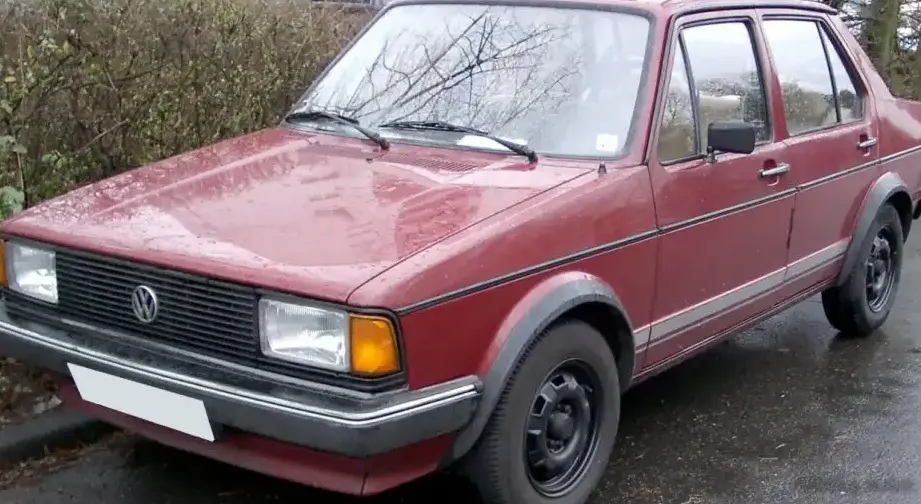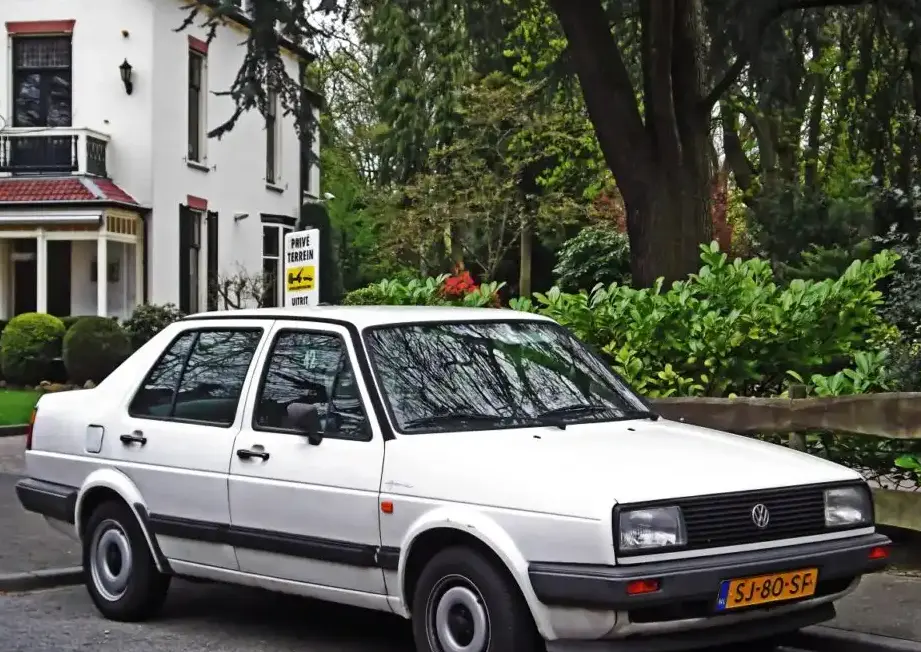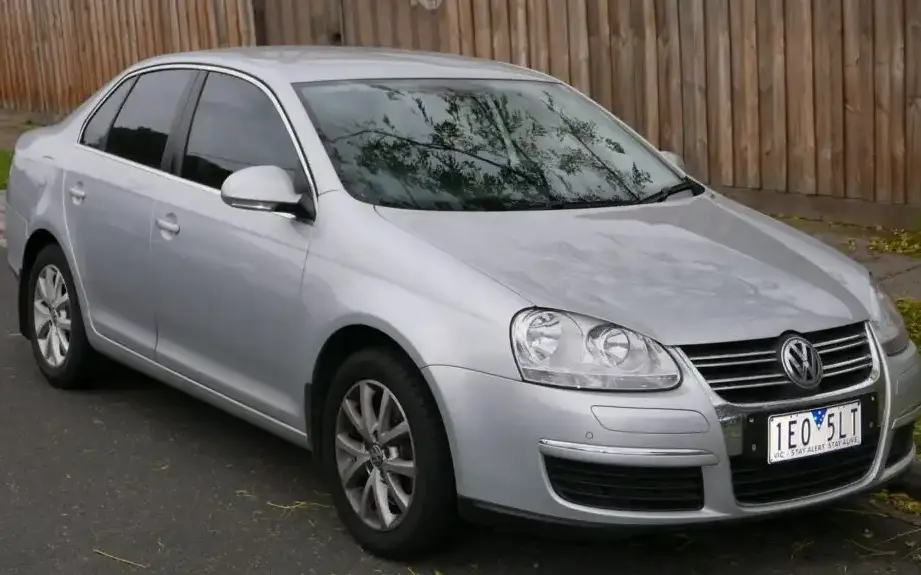
The Volkswagen Jetta V, produced from 2005 to 2010, represented a significant step forward for Volkswagen’s compact sedan. The 1.4 TSI (160 hp) variant, available from 2008-2010, occupied a middle ground in the Jetta V lineup, offering a balance between fuel efficiency and performance. It was positioned above the base 2.0L naturally aspirated engine and below the more powerful 2.5L five-cylinder and the diesel options. This model was primarily aimed at buyers seeking a modern, comfortable, and relatively economical sedan with a touch more power than the entry-level offerings. The Jetta V, built on the A5 (1K) platform, was a key model for Volkswagen in both European and North American markets, though its reception and sales figures varied considerably between the two.
Technical Specifications
| Brand | Volkswagen |
| Model | Jetta |
| Generation | Jetta V |
| Type (Engine) | 1.4 TSI (160 Hp) |
| Start of production | 2008 |
| End of production | 2010 |
| Powertrain Architecture | Internal Combustion engine |
| Body type | Sedan |
| Seats | 5 |
| Doors | 4 |
| Fuel consumption (urban) | 8.6 l/100 km (27.4 US mpg) |
| Fuel consumption (extra urban) | 5.5 l/100 km (42.8 US mpg) |
| Fuel consumption (combined) | 6.6 l/100 km (35.6 US mpg) |
| Fuel Type | Petrol (Gasoline) |
| Acceleration 0 – 100 km/h | 8.5 sec |
| Acceleration 0 – 62 mph | 8.5 sec |
| Acceleration 0 – 60 mph | 8.1 sec |
| Maximum speed | 220 km/h (136.7 mph) |
| Emission standard | Euro 4 |
| Weight-to-power ratio | 8.3 kg/Hp |
| Weight-to-torque ratio | 5.5 kg/Nm |
| Power | 160 Hp @ 5800 rpm |
| Torque | 240 Nm @ 1750-4000 rpm (177.01 lb.-ft.) |
| Engine layout | Front, Longitudinal |
| Engine Model/Code | CAVD, CTHD, CTKA |
| Engine displacement | 1390 cm3 (84.82 cu. in.) |
| Number of cylinders | 4 |
| Engine configuration | Inline |
| Cylinder Bore | 76.5 mm (3.01 in.) |
| Piston Stroke | 75.6 mm (2.98 in.) |
| Number of valves per cylinder | 4 |
| Fuel injection system | Direct injection |
| Engine aspiration | Turbocharger, Intercooler |
| Valvetrain | DOHC |
| Engine oil capacity | 3.6 l (3.8 US qt | 3.17 UK qt) |
| Coolant | 5.6 l (5.92 US qt | 4.93 UK qt) |
| Kerb Weight | 1329 kg (2929.94 lbs.) |
| Max. weight | 1870 kg (4122.64 lbs.) |
| Max load | 541 kg (1192.7 lbs.) |
| Trunk (boot) space – minimum | 527 l (18.61 cu. ft.) |
| Fuel tank capacity | 55 l (14.53 US gal | 12.1 UK gal) |
| Length | 4554 mm (179.29 in.) |
| Width | 1781 mm (70.12 in.) |
| Height | 1459 mm (57.44 in.) |
| Wheelbase | 2578 mm (101.5 in.) |
| Front track | 1534 mm (60.39 in.) |
| Rear (Back) track | 1512 mm (59.53 in.) |
| Minimum turning circle | 10.9 m (35.76 ft.) |
| Drivetrain Architecture | Front wheel drive |
| Number of gears | 6 gears, manual transmission |
| Front suspension | Spring Strut |
| Rear suspension | Coil spring |
| Front brakes | Ventilated discs |
| Rear brakes | Disc |
| Assisting systems | ABS (Anti-lock braking system) |
| Steering type | Steering rack and pinion |
| Tires size | 205/55 R16 |
| Wheel rims size | 6.5 x 16 |
Powertrain & Engine Architecture
The heart of the Jetta V 1.4 TSI was the EA111 engine family, specifically the 1.4-liter turbocharged four-cylinder. Engine codes CAVD, CTHD, and CTKA were commonly found in this variant. This engine utilized direct fuel injection (FSI) and a turbocharger with an intercooler to deliver a respectable 160 horsepower and 177 lb-ft of torque. The direct injection system allowed for precise fuel delivery, improving both efficiency and performance. The engine featured a double overhead camshaft (DOHC) valvetrain with four valves per cylinder, optimizing airflow for increased power output. The 1.4 TSI was typically paired with a six-speed manual transmission, although a seven-speed DSG (Direct-Shift Gearbox) dual-clutch automatic was also available as an option. The longitudinal engine layout was a characteristic of many Volkswagen models at the time, contributing to a balanced weight distribution.
Driving Characteristics
The Jetta V 1.4 TSI offered a noticeable improvement in performance over the base 2.0L engine. Acceleration from 0-60 mph took around 8.1-8.5 seconds, making it a reasonably quick car for its class. The turbocharger provided a good amount of low-end torque, making everyday driving effortless. However, it wasn’t as punchy as the larger 2.5L five-cylinder or the TDI diesel models. The six-speed manual transmission offered precise shifts, while the optional DSG automatic provided quick and smooth gear changes. The suspension was tuned for comfort, providing a relatively smooth ride, but it wasn’t particularly sporty. Compared to the manual transmission version, the automatic offered convenience but slightly reduced fuel economy and a less engaging driving experience.
Equipment & Trim Levels
The 1.4 TSI trim typically included standard features such as air conditioning, power windows and locks, a CD player with MP3 compatibility, and alloy wheels. Higher trim levels, such as the Sport or SEL, added features like a sunroof, upgraded audio system, leather upholstery, and heated front seats. Optional extras included navigation system, automatic climate control, and a premium sound system. Interior upholstery was typically cloth, with leather available as an upgrade. The dashboard layout was functional and straightforward, with a focus on ergonomics.
Chassis & Braking
The Jetta V utilized a MacPherson strut front suspension and a multi-link rear suspension, providing a comfortable and controlled ride. The front brakes were ventilated discs, while the rear brakes were solid discs on most models. Anti-lock Braking System (ABS) was standard. The chassis was designed to provide good handling and stability, but it wasn’t particularly sporty. Stabilizer bars were included to reduce body roll during cornering. The weight distribution was relatively balanced, contributing to predictable handling characteristics.
Market Reception & Comparison
The Jetta V 1.4 TSI was generally well-received by critics, who praised its fuel efficiency, comfortable ride, and modern features. However, some reviewers noted that the engine lacked the punch of larger engines and that the interior materials weren’t as premium as some competitors. Compared to the 2.5L Jetta, the 1.4 TSI offered better fuel economy but less overall power. The TDI diesel models provided even better fuel economy and more torque, but at a higher price point. The 1.4 TSI represented a good value proposition for buyers seeking a balanced and practical compact sedan.
Legacy
The 1.4 TSI engine proved to be relatively reliable, although some owners have reported issues with the turbocharger and fuel injectors over time. Regular maintenance, including oil changes and timely replacement of wear items, is crucial for ensuring long-term reliability. Today, the Jetta V 1.4 TSI can be found on the used car market at affordable prices. It remains a popular choice for buyers seeking a reliable and economical compact sedan. The engine’s technology, including direct injection and turbocharging, paved the way for future Volkswagen engines and helped establish the brand as a leader in fuel efficiency and performance.