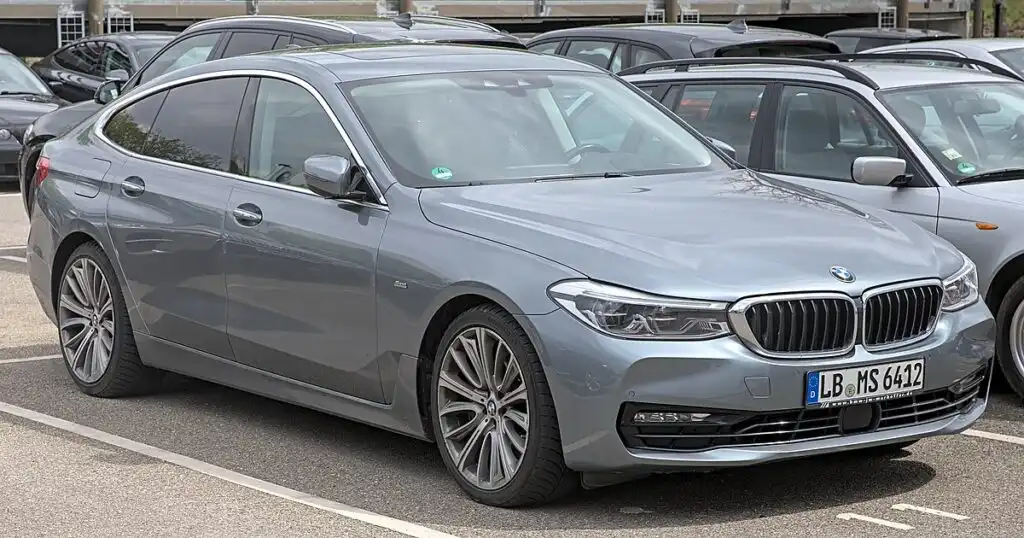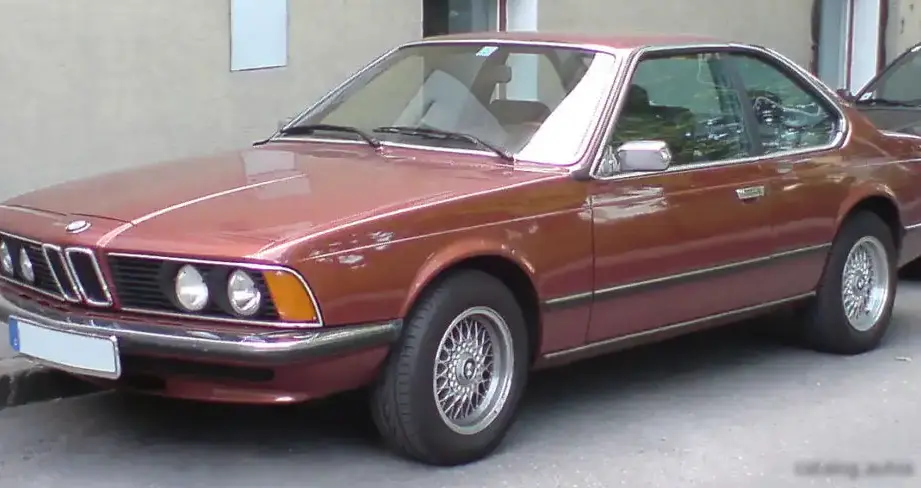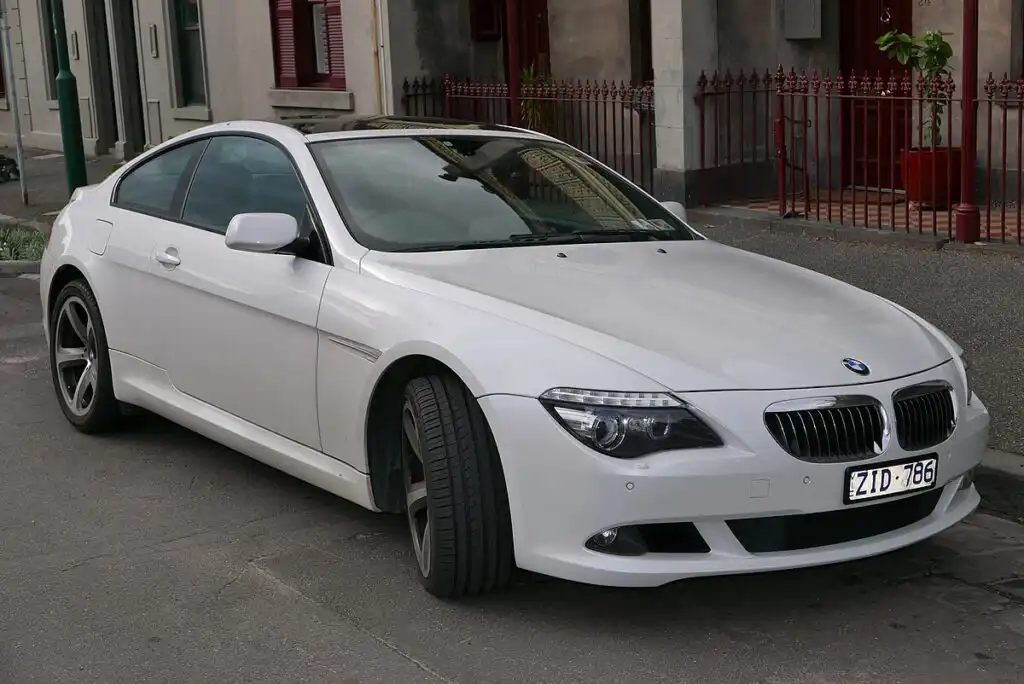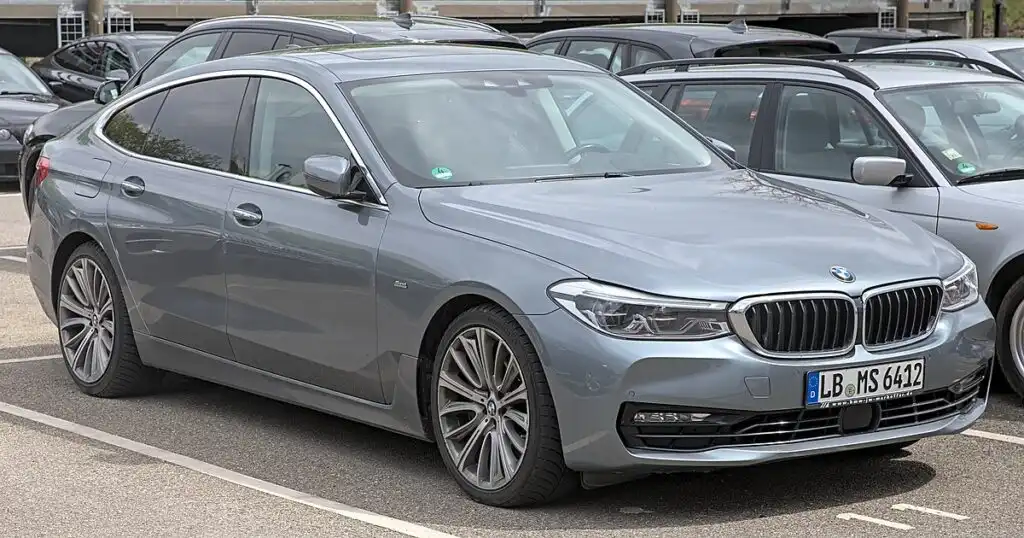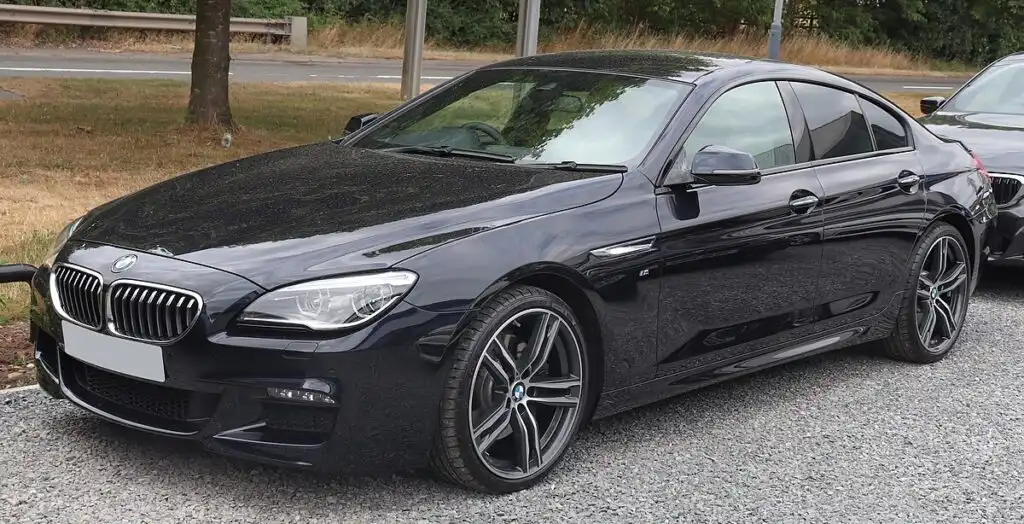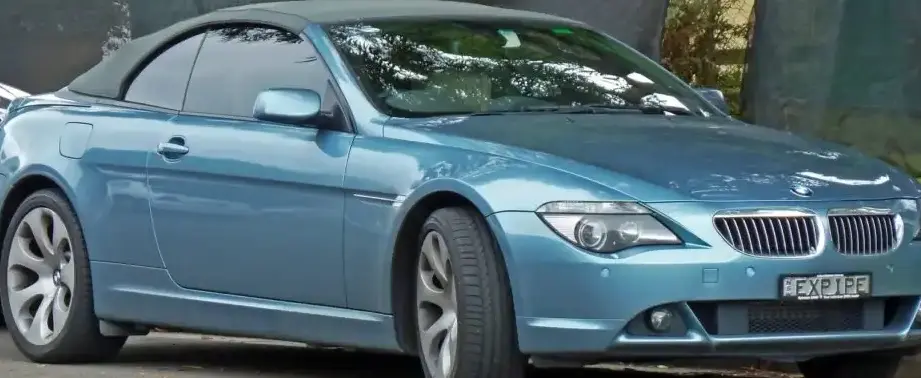
The BMW 6 Series Convertible (E64) 645Ci, produced from 2003 to 2005, represented BMW’s entry into the luxury roadster market, emphasizing grand touring comfort and performance. Positioned as a premium offering within the E64 generation, the 645Ci utilized BMW’s naturally aspirated V8 engine paired with a six-speed automatic transmission, marketed as “Steptronic.” This combination aimed to deliver a refined driving experience, appealing to buyers seeking a blend of power and convenience. The E64 platform, sharing underpinnings with the E63 6 Series Coupe, was BMW’s attempt to recapture the spirit of the classic 6 Series models of the 1970s and 80s, offering a sophisticated alternative to competitors like the Mercedes-Benz SL-Class.
Technical Specifications
| Brand | BMW |
| Model | 6 Series |
| Generation | 6 Series Convertible (E64) |
| Type (Engine) | 645Ci (333 Hp) Steptronic |
| Start of production | 2003 |
| End of production | 2005 |
| Powertrain Architecture | Internal Combustion engine |
| Body type | Cabriolet |
| Seats | 4 |
| Doors | 2 |
| Fuel consumption (urban) | 16.8 l/100 km (14 US mpg, 16.8 UK mpg, 6 km/l) |
| Fuel consumption (extra urban) | 8.5 l/100 km (27.7 US mpg, 33.2 UK mpg, 11.8 km/l) |
| Fuel consumption (combined) | 11.5 l/100 km (20.5 US mpg, 24.6 UK mpg, 8.7 km/l) |
| Fuel Type | Petrol (Gasoline) |
| Acceleration 0 – 100 km/h | 6.2 sec |
| Acceleration 0 – 62 mph | 6.2 sec |
| Acceleration 0 – 60 mph | 5.9 sec |
| Maximum speed | 250 km/h (155.34 mph) |
| Emission standard | Euro 4 |
| Weight-to-power ratio | 5.5 kg/Hp, 183 Hp/tonne |
| Weight-to-torque ratio | 4 kg/Nm, 247.3 Nm/tonne |
| Power | 333 Hp @ 6100 rpm |
| Power per litre | 75.7 Hp/l |
| Torque | 450 Nm @ 3600 rpm (331.9 lb.-ft. @ 3600 rpm) |
| Engine layout | Front, Longitudinal |
| Engine Model/Code | N62B44 |
| Engine displacement | 4398 cm3 (268.38 cu. in.) |
| Number of cylinders | 8 |
| Engine configuration | V-engine |
| Cylinder Bore | 92 mm (3.62 in.) |
| Piston Stroke | 82.7 mm (3.26 in.) |
| Compression ratio | 10:1 |
| Number of valves per cylinder | 4 |
| Fuel injection system | Multi-port manifold injection |
| Engine aspiration | Naturally aspirated engine |
| Valvetrain | DOHC |
| Engine oil capacity | 8 l (8.45 US qt | 7.04 UK qt) |
| Coolant | 14.2 l (15 US qt | 12.49 UK qt) |
| Kerb Weight | 1820 kg (4012.41 lbs.) |
| Max. weight | 2220 kg (4894.26 lbs.) |
| Max load | 400 kg (881.85 lbs.) |
| Trunk (boot) space – minimum | 300 l (10.59 cu. ft.) |
| Trunk (boot) space – maximum | 350 l (12.36 cu. ft.) |
| Fuel tank capacity | 70 l (18.49 US gal | 15.4 UK gal) |
| Length | 4820 mm (189.76 in.) |
| Width | 1855 mm (73.03 in.) |
| Height | 1373 mm (54.06 in.) |
| Wheelbase | 2780 mm (109.45 in.) |
| Front track | 1558 mm (61.34 in.) |
| Rear (Back) track | 1592 mm (62.68 in.) |
| Drag coefficient (Cd) | 0.31 |
| Minimum turning circle | 11.4 m (37.4 ft.) |
| Drivetrain Architecture | Rear wheel drive |
| Number of gears | 6 |
| Gearbox type | Automatic transmission |
| Front suspension | Coil spring |
| Rear suspension | Coil spring |
| Front brakes | Ventilated discs |
| Rear brakes | Disc |
| Assisting systems | ABS (Anti-lock braking system) |
| Steering type | Steering rack and pinion |
| Power steering | Hydraulic Steering |
| Tires size | 245/45 R18 |
| Wheel rims size | 8J x 18 |
Powertrain & Engine Architecture
The heart of the 645Ci is BMW’s N62B44 engine, a 4.4-liter naturally aspirated V8. This engine featured aluminum alloy construction, double overhead camshafts (DOHC) with four valves per cylinder, and BMW’s VANOS variable valve timing system on both intake and exhaust camshafts. The N62 engine utilized a multi-port fuel injection system, delivering fuel directly into the intake ports. The engine produced 333 horsepower at 6100 rpm and 331.9 lb-ft of torque at 3600 rpm. Paired with the N62 was the ZF 6HP26 six-speed automatic transmission, marketed by BMW as “Steptronic.” This transmission offered both fully automatic operation and a manual shift mode, allowing drivers to select gears for more spirited driving. The transmission was known for its smooth shifts and responsiveness, contributing to the overall refined driving experience.
Driving Characteristics
The 645Ci Steptronic offered a comfortable and capable grand touring experience. While not as overtly sporty as some of its competitors, the combination of the V8 engine and automatic transmission provided ample power for effortless cruising and confident overtaking. The automatic transmission, while smooth, did introduce a slight performance penalty compared to the available six-speed manual. The gear ratios were tuned for a balance of acceleration and fuel efficiency, prioritizing smooth transitions over aggressive downshifts. The car’s weight (approximately 4012 lbs) was noticeable, but the V8’s torque helped to mitigate this, providing strong acceleration from a standstill and in mid-range speeds. The steering was precise and well-weighted, offering good feedback to the driver.
Equipment & Trim Levels
The 645Ci came standard with a comprehensive list of features, befitting its luxury positioning. Standard equipment included leather upholstery, power-adjustable seats with memory function, automatic climate control, a premium sound system, and xenon headlights. Optional extras included features like active steering, sport seats, a navigation system, and a head-up display. Interior trim options included various wood veneers and aluminum accents. The convertible top was a fully automatic, multi-layer fabric top designed for quiet operation and weather protection.
Chassis & Braking
The E64 645Ci utilized a MacPherson strut front suspension and a multi-link rear suspension, providing a comfortable ride and good handling characteristics. The suspension was tuned to prioritize comfort over outright sportiness, but still offered a secure and planted feel. Braking duties were handled by ventilated disc brakes at all four corners, coupled with BMW’s ABS anti-lock braking system. The braking system provided ample stopping power, although some testers noted a slightly soft pedal feel. The car’s electronic stability control (DSC) system helped to maintain control in challenging driving conditions.
Market Reception & Comparison
The 645Ci was generally well-received by automotive critics, who praised its luxurious interior, comfortable ride, and powerful engine. However, some critics noted the car’s weight and its relatively high price tag. Compared to the 645Ci’s siblings, the 630i (with its inline-six engine) offered a more fuel-efficient and affordable option, while the 650i (with its larger V8) provided significantly more power and performance. The 645Ci occupied a middle ground, offering a balance of performance, luxury, and price. Fuel economy was typical for a V8-powered luxury car of the era, averaging around 20.5 mpg combined.
Legacy
The N62B44 engine, while generally reliable, is known to be susceptible to certain issues, including coolant leaks from the plastic expansion tank and oil leaks from the valve cover gaskets. The Steptronic transmission is also generally durable, but requires regular fluid changes to maintain optimal performance. Today, the E64 645Ci represents an affordable entry point into the world of BMW luxury convertibles. Well-maintained examples are sought after by enthusiasts who appreciate the car’s classic styling and comfortable driving experience. However, potential buyers should be aware of the potential maintenance costs associated with a vehicle of this age and complexity.