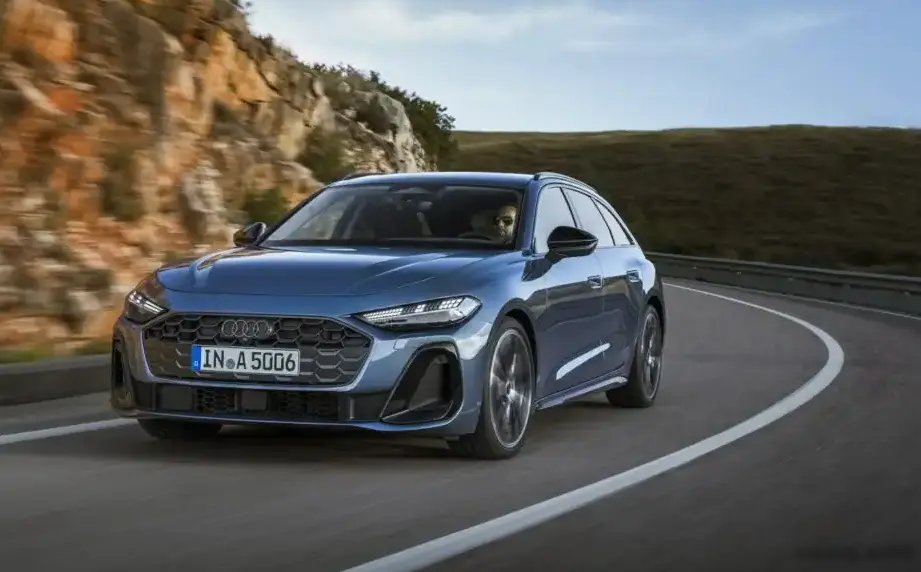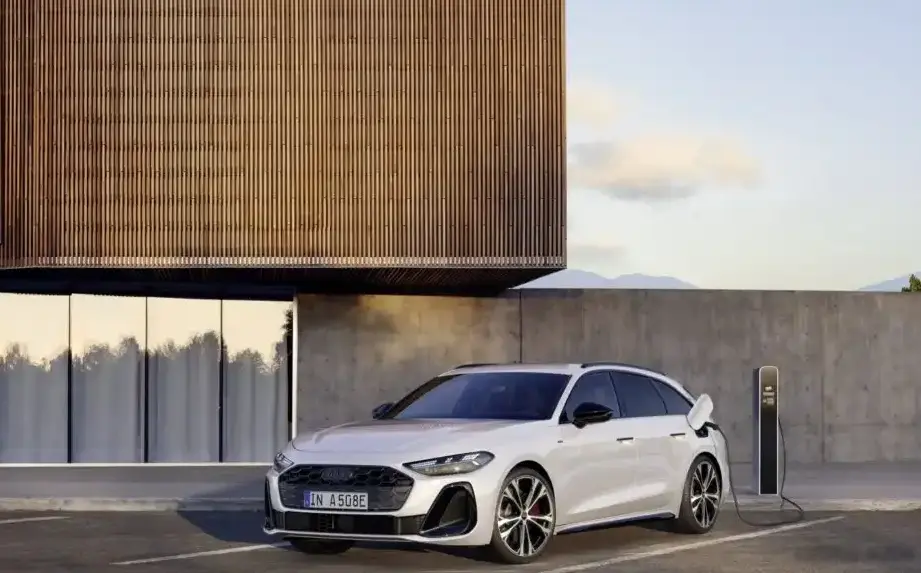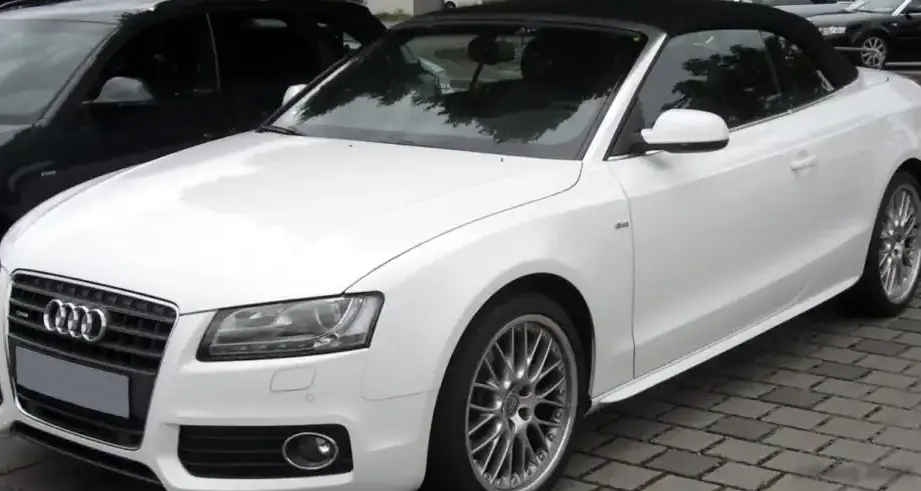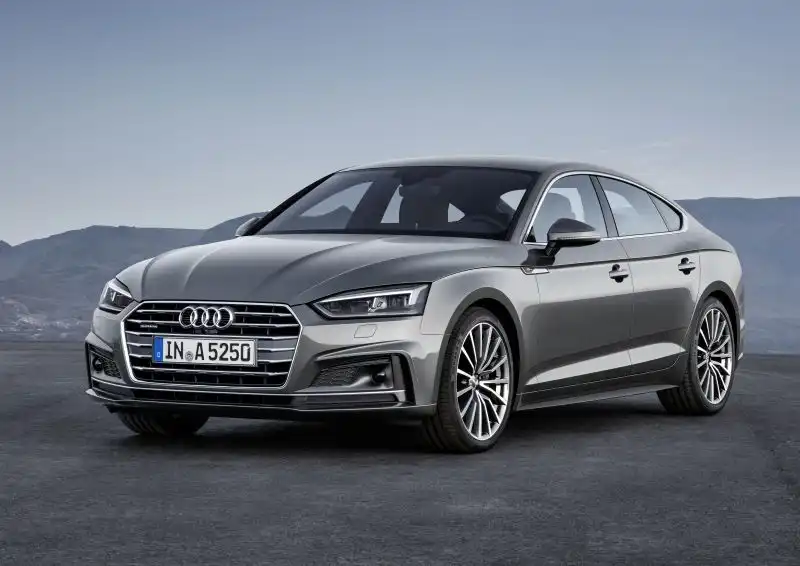
The Audi A5 Sportback (F5) 2.0 TDI, producing 150 horsepower, was a key variant in Audi’s lineup from 2017 to 2018. Positioned as a mid-range offering within the A5 Sportback range, it aimed to balance fuel efficiency with acceptable performance for everyday driving. This model, built on the Volkswagen Group’s MLB Evo platform (specifically the A5/B9 variant), represented Audi’s attempt to cater to European markets increasingly focused on diesel efficiency and practicality, while still maintaining the brand’s premium image. The Sportback body style, a five-door fastback, offered a blend of coupe-like aesthetics and the usability of a sedan or hatchback.
Technical Specifications
| Brand | Audi |
| Model | A5 |
| Generation | A5 Sportback (F5) |
| Type (Engine) | 2.0 TDI (150 Hp) |
| Start of production | 2017 |
| End of production | 2018 |
| Powertrain Architecture | Internal Combustion engine |
| Body type | Fastback |
| Seats | 5 |
| Doors | 5 |
| Fuel consumption (urban) | 5 l/100 km (47 US mpg, 56.5 UK mpg, 20 km/l) |
| Fuel consumption (extra urban) | 3.8-3.9 l/100 km (61.9 – 60.3 US mpg, 74.3 – 72.4 UK mpg, 26.3 – 25.6 km/l) |
| Fuel consumption (combined) | 4.2-4.3 l/100 km (56 – 54.7 US mpg, 67.3 – 65.7 UK mpg, 23.8 – 23.3 km/l) |
| CO2 emissions | 109-112 g/km |
| Fuel Type | Diesel |
| Acceleration 0 – 100 km/h | 9 sec |
| Acceleration 0 – 62 mph | 9 sec |
| Acceleration 0 – 60 mph | 8.6 sec |
| Maximum speed | 219 km/h (136.08 mph) |
| Emission standard | Euro 6 |
| Weight-to-power ratio | 9.8 kg/Hp, 102 Hp/tonne |
| Weight-to-torque ratio | 4.6 kg/Nm, 217.7 Nm/tonne |
| Power | 150 Hp @ 3250-4200 rpm |
| Power per litre | 76.2 Hp/l |
| Torque | 320 Nm @ 1500-3250 rpm (236.02 lb.-ft. @ 1500-3250 rpm) |
| Engine layout | Front, Longitudinal |
| Engine Model/Code | CZHA, DEUA |
| Engine displacement | 1968 cm3 (120.09 cu. in.) |
| Number of cylinders | 4 |
| Engine configuration | Inline |
| Number of valves per cylinder | 4 |
| Fuel injection system | Diesel Commonrail |
| Engine aspiration | Turbocharger, Intercooler |
| Engine oil capacity | 4.7 l (4.97 US qt | 4.14 UK qt) |
| Kerb Weight | 1470 kg (3240.8 lbs.) |
| Max. weight | 2075 kg (4574.59 lbs.) |
| Max load | 605 kg (1333.8 lbs.) |
| Trunk (boot) space – minimum | 480 l (16.95 cu. ft.) |
| Fuel tank capacity | 40 l (10.57 US gal | 8.8 UK gal) |
| Max. roof load | 90 kg (198.42 lbs.) |
| Permitted trailer load with brakes (8%) | 1900 kg (4188.78 lbs.) |
| Permitted trailer load with brakes (12%) | 1700 kg (3747.86 lbs.) |
| Permitted trailer load without brakes | 750 kg (1653.47 lbs.) |
| Permitted towbar download | 80 kg (176.37 lbs.) |
| Length | 4733 mm (186.34 in.) |
| Width | 1843 mm (72.56 in.) |
| Width including mirrors | 2029 mm (79.88 in.) |
| Height | 1386 mm (54.57 in.) |
| Wheelbase | 2824 mm (111.18 in.) |
| Front track | 1587 mm (62.48 in.) |
| Rear (Back) track | 1568 mm (61.73 in.) |
| Front overhang | 878 mm (34.57 in.) |
| Rear overhang | 1031 mm (40.59 in.) |
| Minimum turning circle | 11.7 m (38.39 ft.) |
| Drivetrain Architecture | The Internal combustion engine (ICE) drives the front wheels of the vehicle. |
| Drive wheel | Front wheel drive |
| Number of gears and type of gearbox | 6 gears, manual transmission |
| Front suspension | Independent multi-link suspension |
| Rear suspension | Independent multi-link suspension |
| Front brakes | Ventilated discs |
| Rear brakes | Disc |
| Assisting systems | ABS (Anti-lock braking system) |
| Steering type | Steering rack and pinion |
| Power steering | Electric Steering |
Powertrain & Engine Architecture
The heart of the A5 Sportback 2.0 TDI (150 Hp) is the Volkswagen Group’s EA288 series diesel engine. Specifically, the CZHA or DEUA engine code designates this particular iteration. This is a 2.0-liter, four-cylinder inline engine featuring common rail direct injection and a turbocharger with an intercooler. The engine utilizes four valves per cylinder and is longitudinally mounted in the engine bay, driving the front wheels. The common rail system, operating at extremely high pressures, allows for precise fuel metering and optimized combustion. The turbocharger provides increased power output by forcing more air into the cylinders. The engine’s electronic control unit (ECU) manages fuel injection, turbocharger boost, and other parameters to maximize efficiency and minimize emissions. The 6-speed manual transmission was standard, offering a balance between fuel economy and driver engagement.
Driving Characteristics
The 150 horsepower and 320 Nm (236 lb-ft) of torque delivered by the 2.0 TDI engine provided adequate performance for everyday driving. Acceleration from 0 to 60 mph took approximately 8.6 seconds, and top speed was rated at 219 km/h (136 mph). While not a sports car, the engine offered sufficient power for overtaking maneuvers and highway cruising. The manual transmission’s gear ratios were tuned for fuel efficiency, with taller gearing in higher gears. Compared to the more powerful 190 hp TDI variant, the 150 hp version felt noticeably less responsive, particularly at higher engine speeds. However, the lower power output also contributed to improved fuel economy. The front-wheel-drive configuration provided good traction in most conditions, but could exhibit torque steer under hard acceleration.
Equipment & Trim Levels
The A5 Sportback 2.0 TDI (150 Hp) typically came equipped with a respectable level of standard features. These included Audi’s Multi Media Interface (MMI) infotainment system with a central display screen, automatic climate control, power windows and mirrors, and alloy wheels. Interior upholstery was typically cloth, although leather options were available. Standard safety features included ABS, electronic stability control, and multiple airbags. Optional extras included a sunroof, navigation system, upgraded sound system, and parking sensors. Trim levels varied slightly depending on the market, but generally offered progressively more luxurious features and equipment.
Chassis & Braking
The A5 Sportback featured a sophisticated chassis design with independent multi-link suspension at both the front and rear. This provided a comfortable ride quality and good handling characteristics. The front suspension utilized coil springs and dampers, while the rear suspension incorporated a more complex setup to optimize wheel control and minimize body roll. Braking duties were handled by ventilated discs at the front and solid discs at the rear. ABS (Anti-lock Braking System) was standard, providing enhanced braking performance and stability. The steering system was a rack-and-pinion type with electric power assistance, offering precise steering feel and reduced driver effort.
Market Reception & Comparison
The Audi A5 Sportback 2.0 TDI (150 Hp) was generally well-received by automotive critics. It was praised for its stylish design, comfortable interior, and fuel-efficient engine. However, some critics noted that the 150 hp engine could feel underpowered, particularly when fully loaded or driving uphill. Compared to the more powerful TDI variants, the 150 hp version offered a more affordable entry point into the A5 Sportback range. Fuel economy was a key selling point, with combined fuel consumption figures ranging from 4.2 to 4.3 l/100 km (56-54.7 US mpg). Reliability was generally good, although diesel engines can be susceptible to issues with the diesel particulate filter (DPF) if not properly maintained.
Legacy
The Audi A5 Sportback 2.0 TDI (150 Hp) remains a popular choice in the used car market. Its combination of style, practicality, and fuel efficiency continues to appeal to buyers. The EA288 diesel engine, while subject to some scrutiny regarding emissions, has proven to be relatively durable and reliable when properly maintained. Regular servicing, including oil changes and DPF regeneration, is essential to ensure long-term reliability. Today, these vehicles represent a good value proposition for those seeking a premium European car with low running costs.