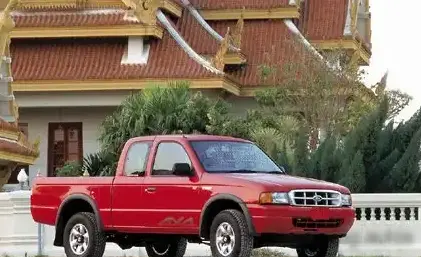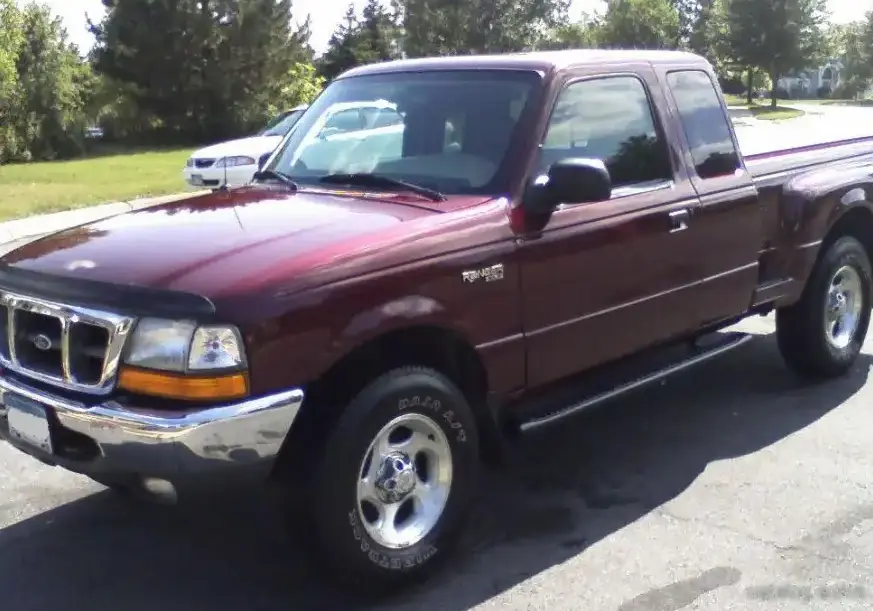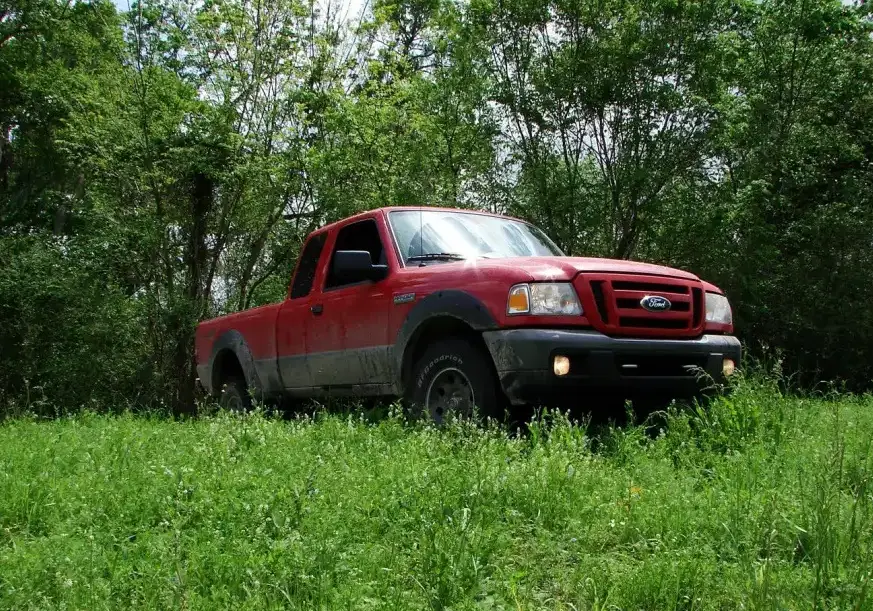
The Ford Ranger II Super Cab 4.0 V6 Automatic, produced between 2006 and 2010, represented a significant offering in the mid-size pickup truck segment for the North American market. This variant occupied a middle ground within the Ranger II lineup, providing a balance between capability, comfort, and affordability. It was built on the global Ford Ranger platform (often referred to as the “global Ranger” despite being distinct from the later North American Ranger revival), and the Super Cab configuration offered extended passenger space compared to the standard cab models. This particular engine and transmission combination aimed to appeal to buyers needing a versatile truck for both work and personal use, without the expense of the higher-trim models.
Technical Specifications
| Brand | Ford |
| Model | Ranger |
| Generation | Ranger II Super Cab |
| Type (Engine) | 4.0 V6 (207 Hp) Automatic |
| Start of production | 2006 |
| End of production | 2010 |
| Powertrain Architecture | Internal Combustion engine |
| Body type | Pick-up |
| Seats | 4 |
| Doors | 2 |
| Fuel Type | Petrol (Gasoline) |
| Power | 207 Hp @ 5250 rpm |
| Power per litre | 51.6 Hp/l |
| Torque | 323 Nm @ 3000 rpm / 238.23 lb.-ft. @ 3000 rpm |
| Engine layout | Front, Longitudinal |
| Engine displacement | 4014 cm3 / 244.95 cu. in. |
| Number of cylinders | 6 |
| Engine configuration | V-engine |
| Compression ratio | 9.7:1 |
| Number of valves per cylinder | 2 |
| Fuel injection system | Multi-port manifold injection |
| Engine aspiration | Naturally aspirated engine |
| Engine oil capacity | 4.7 l / 4.97 US qt | 4.14 UK qt |
| Coolant | 12.5 l / 13.21 US qt | 11 UK qt |
| Trunk (boot) space – minimum | 1500 l / 52.97 cu. ft. |
| Fuel tank capacity | 70 l / 18.49 US gal | 15.4 UK gal |
| Length | 5075 mm / 199.8 in. |
| Width | 1805 mm / 71.06 in. |
| Height | 1745 mm / 68.7 in. |
| Wheelbase | 3000 mm / 118.11 in. |
| Front track | 1488 mm / 58.58 in. |
| Rear (Back) track | 1455 mm / 57.28 in. |
| Ride height (ground clearance) | 203 mm / 7.99 in. |
| Drivetrain Architecture | The Internal combustion engine (ICE) drives the rear wheels of the vehicle. |
| Drive wheel | Rear wheel drive |
| Number of gears and type of gearbox | 5 gears, automatic transmission |
| Front suspension | Independent torsion bar, double wishbone |
| Rear suspension | Dependent suspension of two longitudinal semi-elliptic leaf springs |
| Front brakes | Ventilated discs |
| Rear brakes | Drum |
| Assisting systems | ABS (Anti-lock braking system) |
| Steering type | Steering rack and pinion |
| Power steering | Hydraulic Steering |
| Tires size | 235/75 R15; 245/70 R16 |
| Wheel rims size | 15; 16 |
Powertrain & Engine Architecture
The heart of this Ranger variant is the 4.0-liter Cologne V6 engine. This engine, designated internally as the 4.0L OHV, is a naturally aspirated, 90-degree V6. It features a cast iron block and aluminum cylinder heads, a configuration common for Ford V6 engines of this era. The engine utilizes a multi-port fuel injection system, delivering fuel directly to each intake port for improved efficiency and power delivery. The valvetrain consists of two valves per cylinder, operated by a single overhead camshaft. This design prioritized simplicity and reliability over outright performance. The 5-speed automatic transmission (typically the 5R55E) was chosen for its smooth operation and ease of use, making it a popular choice for drivers who preferred not to operate a manual transmission. The transmission is electronically controlled, adapting shift points based on throttle position and vehicle speed.
Driving Characteristics
The 4.0L V6 with the 5-speed automatic provided adequate, though not exhilarating, performance. With 207 horsepower and 238 lb-ft of torque, the Ranger II Super Cab 4.0L offered sufficient power for everyday driving and moderate towing. Acceleration was reasonable, but the automatic transmission sometimes felt hesitant during quick overtaking maneuvers. The gear ratios were tuned for a balance of fuel economy and usability, rather than outright speed. Compared to the smaller 2.3L inline-four engine, the V6 offered significantly more low-end torque, making it better suited for hauling loads or navigating hilly terrain. However, it lacked the responsiveness of the manual transmission options. The rear-wheel-drive configuration provided a traditional truck feel, but could be a disadvantage in slippery conditions without careful driving.
Equipment & Trim Levels
The 4.0L V6 Automatic trim typically fell into the mid-range of the Ranger II Super Cab offerings. Standard features generally included air conditioning, a basic audio system (often with a CD player), power windows and locks, and a tilt steering wheel. The Super Cab configuration added extended rear seating, providing limited space for passengers. Optional extras included upgraded audio systems, alloy wheels, a sliding rear window, and a towing package. Interior upholstery was typically cloth, with vinyl or leather options available as upgrades. Dashboard configuration was relatively simple and functional, prioritizing durability over aesthetics.
Chassis & Braking
The Ranger II Super Cab utilized a body-on-frame construction, providing a robust and durable platform. The front suspension consisted of an independent torsion bar setup with double wishbone control arms, offering a comfortable ride. The rear suspension employed a traditional leaf spring design, known for its load-carrying capacity. Braking duties were handled by ventilated discs at the front and drum brakes at the rear. Anti-lock Braking System (ABS) was standard, enhancing safety during emergency braking situations. Steering was provided by a hydraulic rack-and-pinion system, offering responsive and precise control.
Market Reception & Comparison
The Ranger II Super Cab 4.0L V6 Automatic was generally well-received by critics and consumers alike. It was praised for its comfortable ride, spacious interior (for a mid-size truck), and capable V6 engine. However, some reviewers noted the automatic transmission could be sluggish at times, and the interior lacked the refinement of some competitors. Compared to the 2.3L four-cylinder models, the V6 offered a significant performance upgrade, but at the cost of slightly lower fuel economy. Against other mid-size trucks like the Toyota Tacoma and Nissan Frontier, the Ranger II offered a competitive price point and a more traditional truck experience.
Legacy
The Ford Ranger II Super Cab 4.0L V6 Automatic has proven to be a relatively reliable and durable vehicle. The 4.0L V6 engine is known for its longevity, and the 5R55E automatic transmission, while not without its potential issues, is generally considered robust when properly maintained. In the used car market, these Rangers are often sought after for their affordability and practicality. Common maintenance items include regular oil changes, transmission fluid flushes, and inspection of the leaf springs for wear. While not a collector’s item, the Ranger II 4.0L V6 Automatic remains a popular choice for those seeking a dependable and capable mid-size pickup truck.