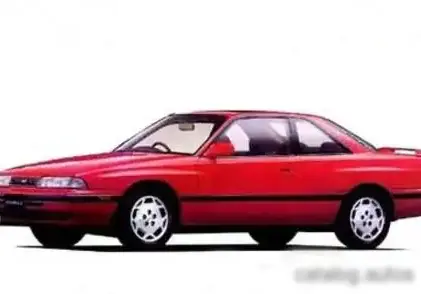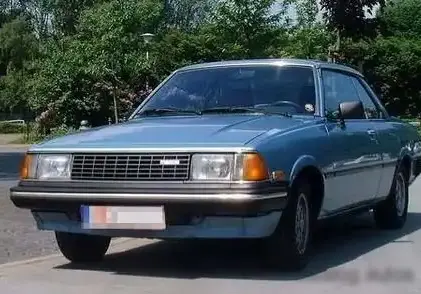
The Mazda Capella 1.8 16V, produced between 1989 and 1994, represented a significant iteration of Mazda’s mid-size offering. Falling within the second generation (CD) of the Capella, this variant was primarily aimed at the Japanese domestic market (JDM) and select export markets, including parts of Europe and Asia. It occupied a middle ground within the Capella lineup, offering a balance between affordability, fuel efficiency, and acceptable performance. The Capella, known as the 626 in North America, was a crucial model for Mazda, establishing its reputation for reliable and well-engineered vehicles. This 1.8L 16V model aimed to provide a more refined experience than the base engine options, while remaining accessible to a broader customer base.
Technical Specifications
| Brand | Mazda |
| Model | Capella |
| Generation | Capella (CD) |
| Type (Engine) | 1.8 16V (116 Hp) |
| Start of production | 1989 |
| End of production | 1994 |
| Powertrain Architecture | Internal Combustion engine |
| Body type | Sedan |
| Seats | 5 |
| Doors | 4 |
| Fuel Type | Petrol (Gasoline) |
| Power | 116 Hp @ 5300 rpm |
| Power per litre | 64.5 Hp/l |
| Torque | 165 Nm @ 4000 rpm / 121.7 lb.-ft. @ 4000 rpm |
| Engine layout | Front, Transverse |
| Engine displacement | 1798 cm3 / 109.72 cu. in. |
| Number of cylinders | 4 |
| Engine configuration | Inline |
| Cylinder Bore | 83 mm / 3.27 in. |
| Piston Stroke | 83.1 mm / 3.27 in. |
| Compression ratio | 10.8:1 |
| Number of valves per cylinder | 4 |
| Fuel injection system | Multi-port manifold injection |
| Engine aspiration | Naturally aspirated engine |
| Valvetrain | DOHC |
| Fuel tank capacity | 60 l / 15.85 US gal | 13.2 UK gal |
| Length | 4515 mm / 177.76 in. |
| Width | 1690 mm / 66.54 in. |
| Height | 1395 mm / 54.92 in. |
| Wheelbase | 2575 mm / 101.38 in. |
| Front track | 1460 mm / 57.48 in. |
| Rear (Back) track | 1455 mm / 57.28 in. |
| Drivetrain Architecture | The Internal combustion engine (ICE) drives the front wheels of the vehicle. |
| Drive wheel | Front wheel drive |
| Number of gears and type of gearbox | 5 gears, manual transmission |
| Front brakes | Ventilated discs |
| Rear brakes | Drum |
| Tires size | 165/80 R13 |
| Wheel rims size | 4.5J x 13 |
Powertrain & Engine Architecture
The heart of the Capella 1.8 16V was the Mazda F8 engine, specifically the F8-E variant. This 1.8-liter inline-four cylinder engine featured a double overhead camshaft (DOHC) valvetrain operating four valves per cylinder – a significant upgrade over earlier Capella engines. The 16-valve configuration allowed for improved breathing and higher engine speeds, contributing to the 116 horsepower output at 5300 rpm and 165 Nm (121.7 lb-ft) of torque at 4000 rpm. Fuel delivery was managed by a multi-port fuel injection system, ensuring precise fuel metering for optimal combustion and efficiency. The engine utilized a cast iron block with an aluminum cylinder head, a common construction for the era balancing durability and weight. The engine was transversely mounted in the front of the vehicle, driving the front wheels.
Driving Characteristics
The 1.8L 16V Capella offered a reasonably refined driving experience for its time. While not a performance-oriented model, the engine provided adequate power for everyday driving situations. Acceleration was respectable, though not particularly brisk, and the five-speed manual transmission allowed drivers to keep the engine in its optimal power band. Compared to the lower-displacement engines available in the Capella range, the 1.8L offered noticeably more responsiveness, especially when overtaking or climbing hills. The gear ratios were tuned for a balance between fuel economy and usability, with a relatively tall fifth gear for highway cruising. Compared to the later, more powerful 2.0L variants, the 1.8L felt less strained at higher speeds, but lacked the outright acceleration of its larger-engined siblings.
Equipment & Trim Levels
The Capella 1.8 16V typically came equipped with a reasonable level of standard features. Interior appointments generally included cloth upholstery, a basic stereo system, and manual windows and door locks. Air conditioning was often an optional extra, as were power windows and central locking. Trim levels varied depending on the market, but generally offered incremental upgrades in interior materials and exterior detailing. Higher trim levels might include features such as alloy wheels, a more sophisticated stereo system, and upgraded interior trim. The dashboard layout was functional and straightforward, prioritizing usability over stylistic flair. Safety features were relatively basic by modern standards, typically including seatbelts and a collapsible steering column.
Chassis & Braking
The Capella 1.8 16V utilized a MacPherson strut front suspension and a semi-independent torsion beam rear suspension. This setup provided a comfortable ride quality, although it wasn’t particularly sporty in handling. The front brakes were ventilated discs, offering adequate stopping power, while the rear brakes were drum brakes – a cost-saving measure common in this class of vehicle. Steering was rack-and-pinion, providing reasonably precise control. The tires were typically 165/80 R13, mounted on 4.5J x 13 steel wheels. Stabilizer bars were often included, contributing to reduced body roll during cornering.
Market Reception & Comparison
The Mazda Capella 1.8 16V was generally well-received by automotive critics as a practical and reliable family sedan. It was praised for its fuel efficiency, comfortable ride, and relatively spacious interior. However, it wasn’t considered a particularly exciting vehicle to drive, and its performance was often criticized as being adequate rather than inspiring. Compared to other models in its class, such as the Toyota Corolla and Honda Accord, the Capella offered a competitive package in terms of price, features, and reliability. The 1.8L engine offered a good compromise between performance and fuel economy, making it a popular choice for buyers who prioritized practicality over outright speed. The manual transmission version was favored by enthusiasts for its improved responsiveness.
Legacy
The Mazda Capella 1.8 16V has proven to be a relatively durable and reliable vehicle over the long term. The F8-E engine is known for its robustness, and with proper maintenance, can withstand high mileage. Today, these vehicles are increasingly sought after by collectors and enthusiasts, particularly those interested in classic Japanese cars. Parts availability can be a challenge, but many components are still available through specialist suppliers. The Capella 1.8 16V represents a significant chapter in Mazda’s history, showcasing the company’s commitment to building well-engineered and dependable vehicles. Its blend of practicality, reliability, and affordability has ensured its enduring appeal in the used car market.