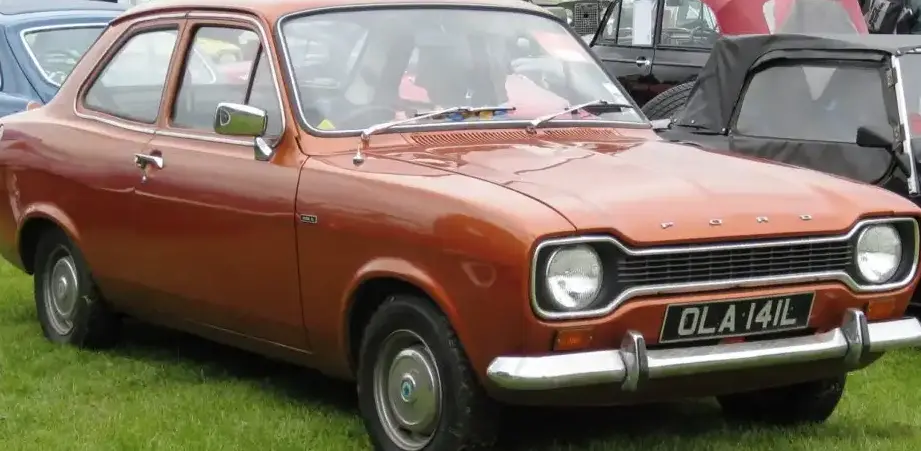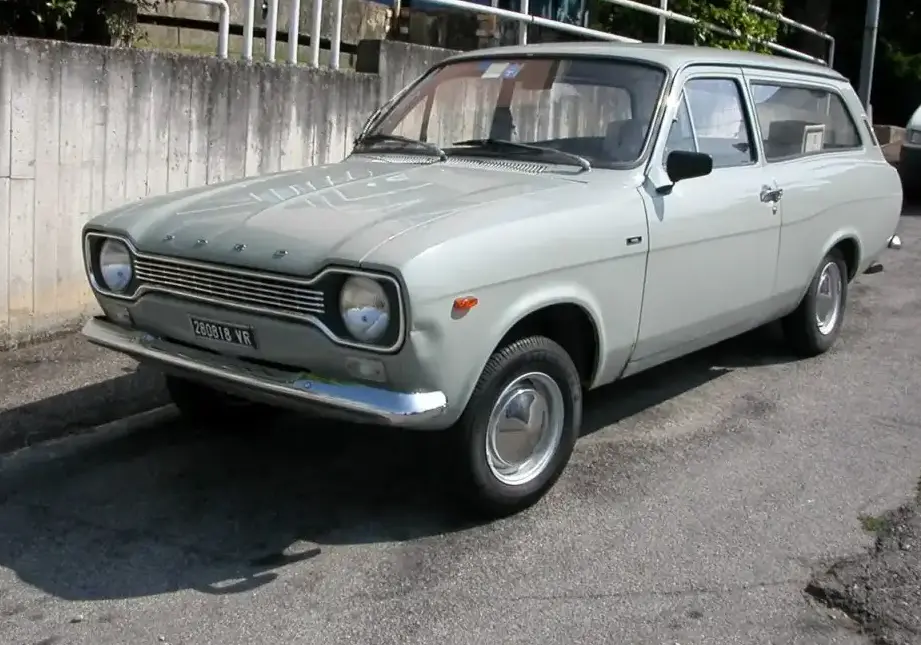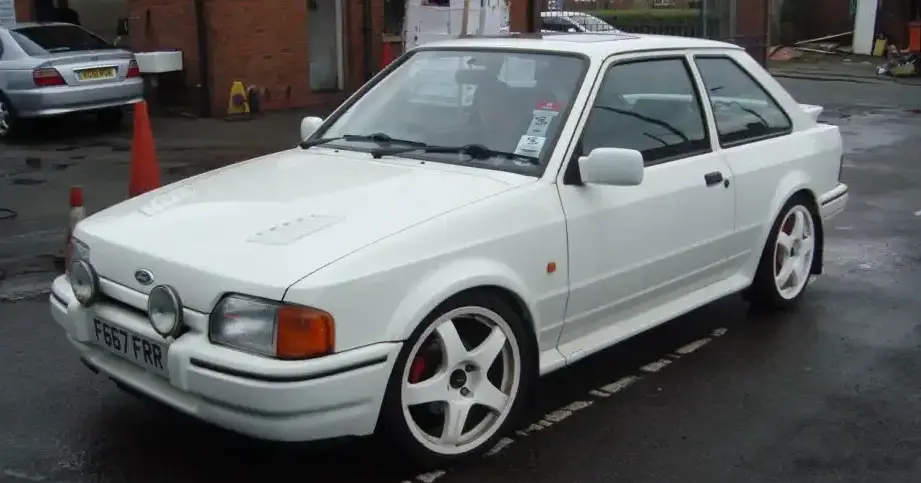
The Ford Escort IV, specifically the 1.8 D variant produced between 1989 and 1990, represents a pragmatic offering within the fourth generation of Ford’s globally successful Escort line. Designated with chassis codes GAF, AWF, and ABFT, this diesel-powered hatchback was primarily aimed at fleet buyers and drivers prioritizing fuel economy over outright performance. It occupied the entry-level position in the Escort IV range, offering a more affordable alternative to the gasoline-powered models. The Escort IV itself was a significant update to the series, featuring revised styling, improved interior space, and a focus on practicality. This particular 1.8 D model was a key part of Ford’s strategy to cater to the growing demand for economical transportation in Europe during a period of rising fuel costs.
Technical Specifications
| Brand | Ford |
| Model | Escort |
| Generation | Escort IV (GAF, AWF, ABFT) |
| Type (Engine) | 1.8 D (60 Hp) |
| Start of Production | 1989 |
| End of Production | 1990 |
| Powertrain Architecture | Internal Combustion Engine |
| Body Type | Hatchback |
| Fuel Type | Diesel |
| Power | 60 Hp |
| Engine Model/Code | RTA, RTB |
| Engine Aspiration | Naturally Aspirated |
| Engine Oil Capacity | 5 l (5.28 US qt | 4.4 UK qt) |
| Coolant Capacity | 9.3 l (9.83 US qt | 8.18 UK qt) |
Powertrain & Engine Architecture
The heart of the Escort IV 1.8 D is the Ford RTA or RTB diesel engine. This 1.8-liter, naturally aspirated engine is a four-cylinder unit employing indirect injection. Unlike more modern common-rail diesel systems, the RTA/RTB utilizes a Bosch rotary injection pump to deliver fuel into the pre-chamber, where it’s partially combusted before entering the main combustion chamber. This indirect injection design contributes to quieter operation, though at the expense of some efficiency and power. The engine features a cast iron block and head, known for their durability, but also adding significant weight. The valvetrain consists of a single overhead camshaft operating two valves per cylinder. While not a technologically advanced engine by contemporary standards, the RTA/RTB was a robust and reliable unit, designed for longevity rather than high performance. The engine was typically paired with a four or five-speed manual transmission, however, a three-speed automatic transmission was also available, though less common. The automatic transmission, a Ford-sourced unit, was geared towards smooth operation and fuel efficiency, rather than sporty acceleration.
Driving Characteristics
The Escort IV 1.8 D, particularly in automatic guise, was not designed for spirited driving. With only 60 horsepower on tap, acceleration was leisurely, and overtaking required careful planning. The engine produced a modest 98 lb-ft of torque, which was available at relatively low RPMs, making it reasonably tractable around town. The automatic transmission, while providing convenience, further diminished performance, with noticeable delays in downshifting. Gear ratios were optimized for fuel economy, resulting in a high final drive ratio. Compared to the 1.6-liter gasoline versions of the Escort IV, the 1.8 D offered significantly less power but superior fuel economy. The manual transmission versions felt more responsive, allowing the driver to better utilize the available torque, but still couldn’t deliver the performance of the petrol engines. The suspension, tuned for comfort, provided a reasonably compliant ride, but body roll was noticeable during cornering.
Equipment & Trim Levels
The 1.8 D Escort IV typically represented the base trim level. Standard equipment was fairly basic, reflecting its position as an affordable option. Interior upholstery was typically a durable cloth material, often in a dark color scheme. The dashboard featured a simple layout with basic instrumentation, including a speedometer, fuel gauge, and temperature gauge. Power steering was not standard, and air conditioning was rarely fitted. Optional extras included a radio, upgraded interior trim, and, on some models, electric front windows. The exterior trim was minimal, with black plastic bumpers and steel wheels being common features. The focus was on providing a functional and reliable vehicle at a competitive price point.
Chassis & Braking
The Escort IV utilized a MacPherson strut front suspension and a semi-independent twist beam rear suspension. This setup provided a reasonable balance between ride comfort and handling. The 1.8 D models typically featured drum brakes on the rear wheels and disc brakes on the front, providing adequate stopping power for the vehicle’s weight and performance. Stabilizer bars were often omitted on the base models to further reduce cost. The steering was a recirculating ball system, offering a relatively direct feel but lacking the precision of more modern rack-and-pinion setups. The chassis was relatively lightweight, contributing to the vehicle’s fuel efficiency, but also limiting its handling capabilities.
Market Reception & Comparison
The Escort IV 1.8 D was generally well-received by those seeking an economical and reliable vehicle. Critics acknowledged its fuel efficiency and durability, but often criticized its lack of performance. Compared to the gasoline-powered Escort IV models, the 1.8 D offered significantly lower running costs but a less engaging driving experience. The 1.6-liter gasoline engine provided a noticeable performance boost, while the 1.9-liter diesel (available in some markets) offered a compromise between power and economy. The 1.8 D was particularly popular with fleet operators and drivers covering high mileages, where fuel economy was a primary concern. Its simplicity and robust construction also made it relatively easy and inexpensive to maintain.
Legacy
The Ford Escort IV 1.8 D, while not a performance icon, has proven to be a remarkably durable and long-lasting vehicle. Many examples are still on the road today, testament to the robustness of the RTA/RTB diesel engine and the overall build quality of the Escort IV. In the used car market, these models are often sought after by those looking for a simple, reliable, and affordable vehicle. However, potential buyers should be aware of the age-related issues common to older diesel engines, such as injector wear and potential for rust. The 1.8 D Escort IV represents a significant chapter in Ford’s history, embodying the company’s commitment to providing practical and economical transportation to a wide range of customers. It remains a popular choice for classic car enthusiasts and those seeking a dependable and affordable vehicle.