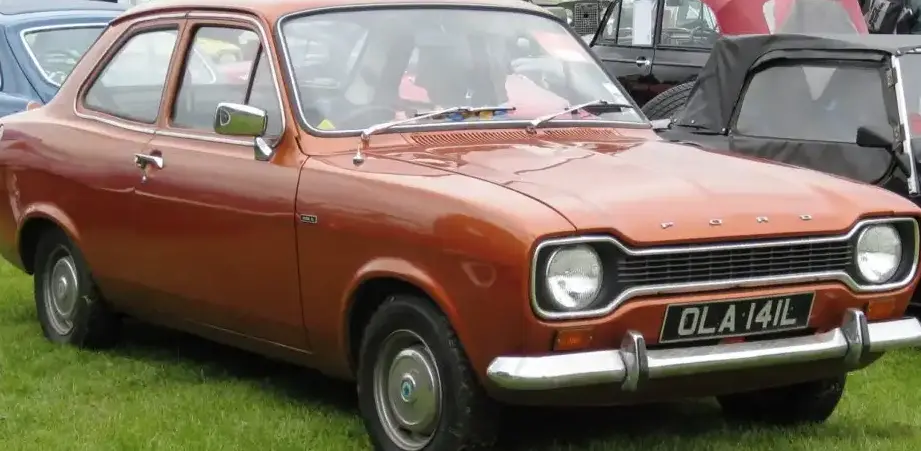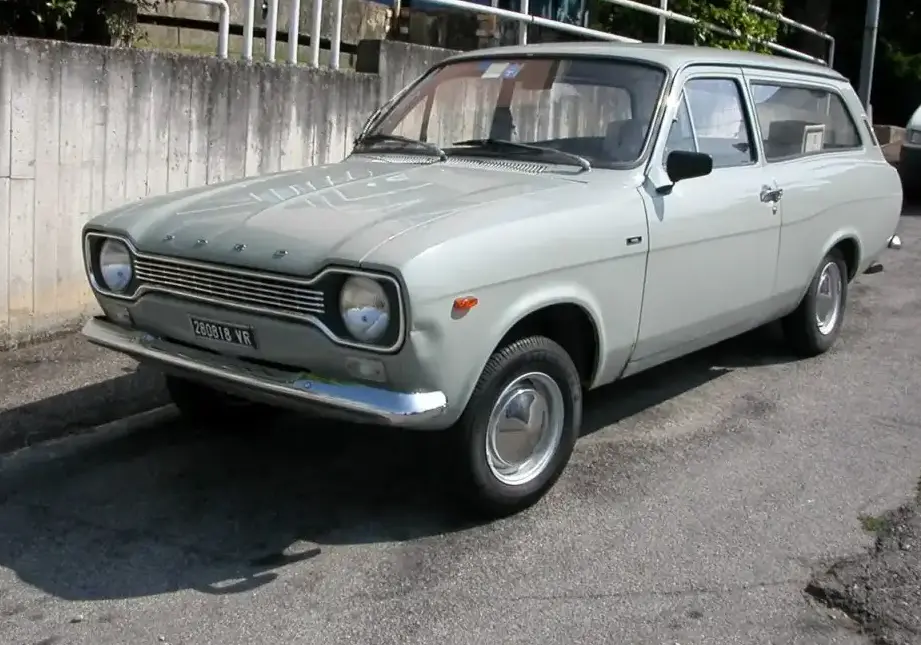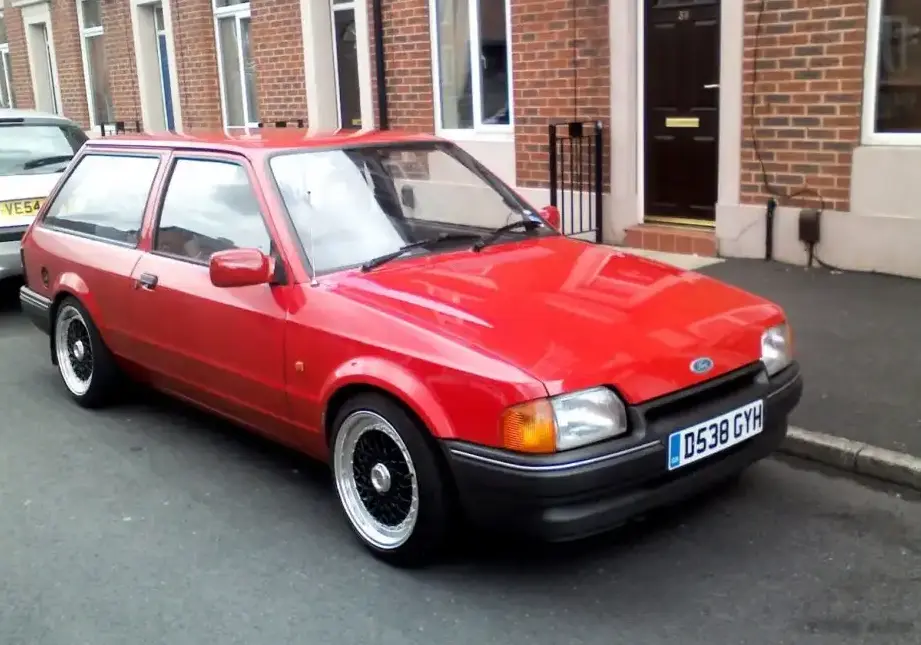
The Ford Escort IV Turnier 1.3, produced between 1986 and 1990, represented the entry point into the fourth-generation Escort range in many European markets. The Turnier designation signified the station wagon (estate) body style, offering a practical and affordable family vehicle. This variant, powered by a 1.3-liter engine producing 60 horsepower, was positioned as the most economical option within the Escort IV lineup, appealing to buyers prioritizing fuel efficiency and low running costs over outright performance. It was part of the AWF/AVF series, representing updates to the popular Escort platform.
Technical Specifications
| Brand | Ford |
| Model | Escort |
| Generation | Escort IV Turnier (AWF,AVF) |
| Type (Engine) | 1.3 (60 Hp) |
| Start of production | 1986 |
| End of production | 1990 |
| Powertrain Architecture | Internal Combustion engine |
| Body type | Station wagon (estate) |
| Seats | 5 |
| Doors | 4/5 |
| Fuel Type | Petrol (Gasoline) |
| Acceleration 0 – 100 km/h | 14.2 sec |
| Acceleration 0 – 62 mph | 14.2 sec |
| Acceleration 0 – 60 mph | 13.5 sec |
| Maximum speed | 157 km/h (97.56 mph) |
| Weight-to-power ratio | 14.9 kg/Hp, 67 Hp/tonne |
| Weight-to-torque ratio | 8.8 kg/Nm, 114 Nm/tonne |
| Power | 60 Hp @ 5500 rpm |
| Power per litre | 46.3 Hp/l |
| Torque | 102 Nm @ 3200 rpm (75.23 lb.-ft. @ 3200 rpm) |
| Engine layout | Front, Transverse |
| Engine Model/Code | JBB, JLA, JLB |
| Engine displacement | 1297 cm3 (79.15 cu. in.) |
| Number of cylinders | 4 |
| Engine configuration | Inline |
| Number of valves per cylinder | 2 |
| Fuel injection system | Carburettor |
| Engine aspiration | Naturally aspirated engine |
| Engine oil capacity | 3.25 l (3.43 US qt | 2.86 UK qt) |
| Coolant | 7.1 l (7.5 US qt | 6.25 UK qt) |
| Kerb Weight | 895 kg (1973.14 lbs) |
| Fuel tank capacity | 47 l (12.42 US gal | 10.34 UK gal) |
| Length | 3958 mm (155.83 in) |
| Width | 1556 mm (61.26 in) |
| Height | 1439 mm (56.65 in) |
| Drivetrain Architecture | The Internal combustion engine (ICE) drives the front wheels of the vehicle. |
| Drive wheel | Front wheel drive |
| Number of gears and type of gearbox | 5 gears, manual transmission |
| Front suspension | Independent, type McPherson with coil spring and anti-roll bar |
| Rear suspension | Spring-loaded rack |
| Front brakes | Disc |
| Rear brakes | Drum |
| Steering type | Steering rack and pinion |
| Tires size | 155/80 R13 |
| Wheel rims size | 13 |
Powertrain & Engine Architecture
The heart of the Escort IV Turnier 1.3 was the Ford JBB, JLA, or JLB engine – a 1.297-liter inline-four cylinder unit. This engine utilized a relatively simple, yet robust, design featuring a two-valve-per-cylinder configuration and a single downdraft carburetor for fuel delivery. The carburetor system, while common for the era, contributed to the engine’s lower power output compared to fuel-injected counterparts. The engine’s 8.8:1 compression ratio was a compromise between efficiency and performance. The manual transmission offered was a five-speed unit, designed to maximize fuel economy and provide adequate gearing for the engine’s power band. The transmission’s ratios were relatively tall, prioritizing economy over rapid acceleration.
Driving Characteristics
The 1.3-liter Escort Turnier was not designed for spirited driving. With 60 horsepower on tap, acceleration was modest, taking approximately 14.2 seconds to reach 62 mph (100 km/h). The engine felt strained at higher speeds, and overtaking required careful planning. However, in everyday driving conditions, the engine proved to be reasonably responsive, particularly in the lower and mid-range. The five-speed manual transmission allowed drivers to keep the engine within its optimal operating range. Compared to the more powerful 1.6-liter versions, or the later fuel-injected models, the 1.3 felt noticeably slower, but it offered a smoother, more relaxed driving experience. The manual gearbox was preferred by many over the optional automatic, as the automatic further diminished the car’s already limited acceleration.
Equipment & Trim Levels
The 1.3-liter Escort Turnier typically came with a basic level of equipment. Standard features included cloth upholstery, a basic instrument cluster, and manual windows and door locks. The interior was functional and durable, prioritizing practicality over luxury. Optional extras included a radio, upgraded seat fabrics, and a sunroof. The trim level was generally considered the base model, aimed at budget-conscious buyers. The Turnier body style itself added practicality with its increased cargo capacity compared to the saloon (sedan) version.
Chassis & Braking
The Escort IV Turnier featured a front-wheel-drive layout with independent McPherson strut suspension at the front and a spring-loaded rack system at the rear. This suspension setup provided a reasonable level of ride comfort, although it wasn’t particularly sporty. The front brakes were disc brakes, offering adequate stopping power, while the rear brakes were drums, a cost-saving measure common in this segment. Steering was via a rack and pinion system, providing precise and responsive handling. The 155/80 R13 tires were chosen for their balance of grip, comfort, and fuel efficiency.
Market Reception & Comparison
The Escort IV Turnier 1.3 was well-received in markets where fuel economy and affordability were paramount. Critics acknowledged its practicality and low running costs, but often noted its lack of performance. Compared to the 1.6-liter versions, the 1.3 offered significantly lower fuel consumption, making it an attractive option for high-mileage drivers. The 1.6-liter models, while more expensive, provided a noticeable improvement in performance. The 1.3’s simplicity also translated to lower maintenance costs, making it a popular choice for first-time car buyers and families on a budget.
Legacy
The Ford Escort IV Turnier 1.3, while not a performance icon, holds a significant place in automotive history as a practical and affordable family vehicle. The JBB/JLA/JLB engine, while simple, proved to be remarkably durable and reliable. Today, these cars are relatively rare, and well-maintained examples are sought after by classic car enthusiasts. The 1.3-liter engine’s simplicity makes it relatively easy to maintain and repair, contributing to its enduring appeal. In the used car market, these Escort Turniers are valued for their affordability, practicality, and nostalgic charm. They represent a bygone era of automotive engineering, where simplicity and reliability were prioritized over technological complexity.