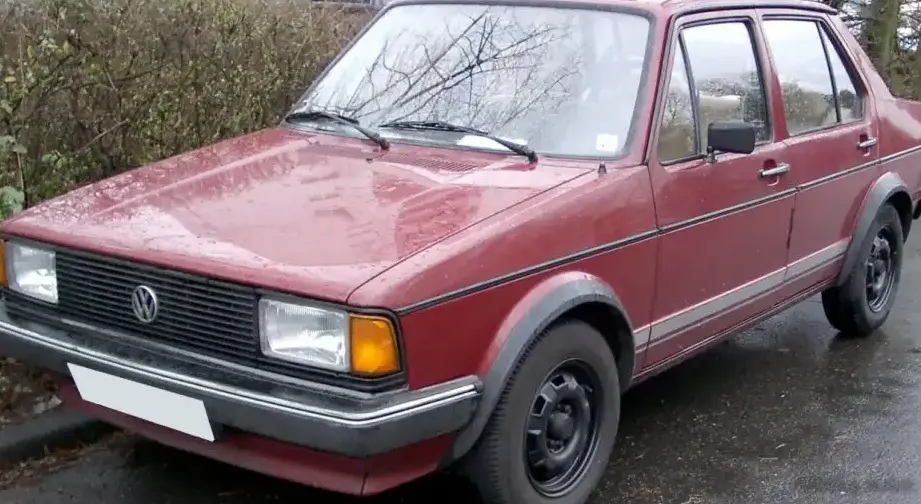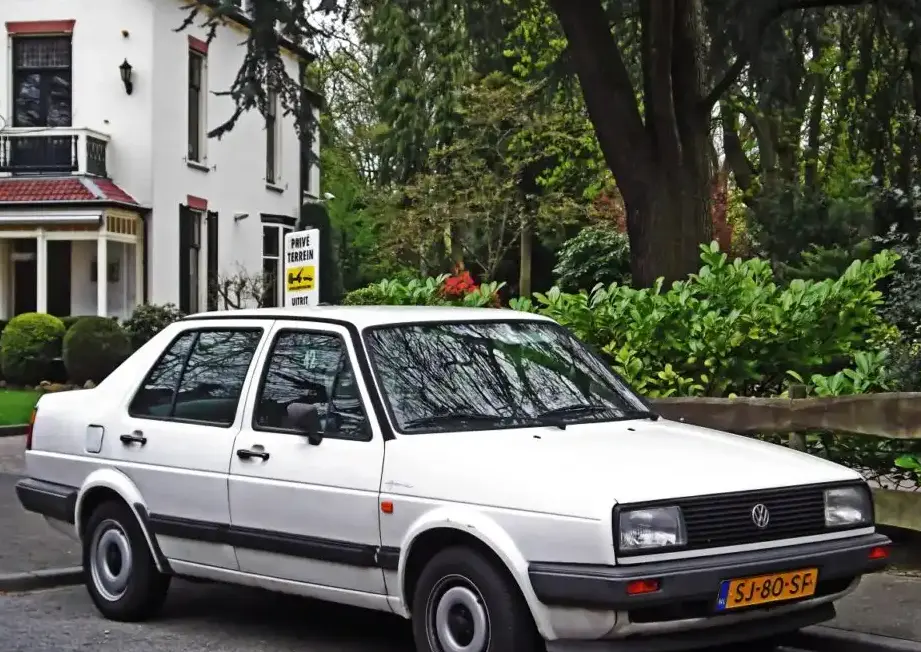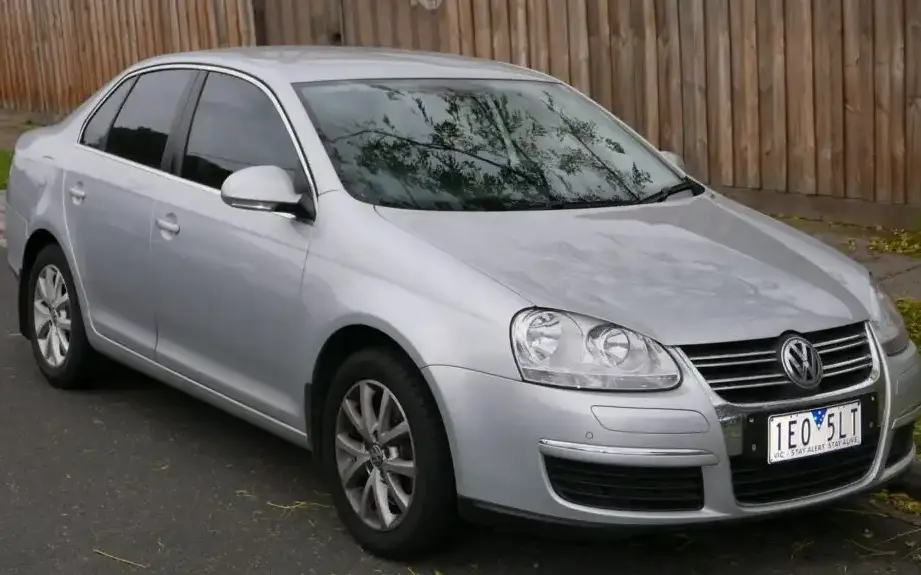
The Volkswagen Jetta V 2.0 TFSI, produced between 2005 and 2010, represented a significant step forward for the Jetta model line. Part of the fifth generation (Jetta V, internally designated the 1K chassis), this variant offered a compelling blend of performance and practicality, aimed at buyers seeking a more engaging driving experience than the base models. It occupied the mid-to-upper range of the Jetta V lineup, positioned above the 1.6 and 2.0 liter naturally aspirated engines, but below potential performance packages or later diesel offerings. The 2.0 TFSI was a key component in Volkswagen’s strategy to introduce modern, turbocharged engines across its portfolio.
Technical Specifications
| Brand | Volkswagen |
| Model | Jetta |
| Generation | Jetta V |
| Type (Engine) | 2.0 TFSI (200 Hp) |
| Start of production | 2005 |
| End of production | 2010 |
| Powertrain Architecture | Internal Combustion engine |
| Body type | Sedan |
| Seats | 5 |
| Doors | 4 |
| Fuel consumption (economy) – urban | 11 l/100 km (21.4 US mpg, 25.7 UK mpg, 9.1 km/l) |
| Fuel consumption (economy) – extra urban | 6.2 l/100 km (37.9 US mpg, 45.6 UK mpg, 16.1 km/l) |
| Fuel consumption (economy) – combined | 8 l/100 km (29.4 US mpg, 35.3 UK mpg, 12.5 km/l) |
| CO2 emissions | 189 g/km |
| Fuel Type | Petrol (Gasoline) |
| Acceleration 0 – 100 km/h | 7.5 sec |
| Acceleration 0 – 62 mph | 7.5 sec |
| Acceleration 0 – 60 mph | 7.1 sec |
| Maximum speed | 235 km/h (146.02 mph) |
| Emission standard | Euro 4 |
| Weight-to-power ratio | 6.9 kg/Hp, 145.7 Hp/tonne |
| Weight-to-torque ratio | 4.9 kg/Nm, 203.9 Nm/tonne |
| Power | 200 Hp @ 5100 rpm |
| Power per litre | 100.8 Hp/l |
| Torque | 280 Nm @ 1800-5000 rpm (206.52 lb.-ft. @ 1800-5000 rpm) |
| Engine layout | Front, Transverse |
| Engine Model/Code | BWA, CCZA, CAWB, CBFA, CCTA |
| Engine displacement | 1984 cm3 (121.07 cu. in.) |
| Number of cylinders | 4 |
| Engine configuration | Inline |
| Cylinder Bore | 82.5 mm (3.25 in.) |
| Piston Stroke | 92.8 mm (3.65 in.) |
| Compression ratio | 10.3:1 |
| Number of valves per cylinder | 4 |
| Fuel injection system | Direct injection |
| Engine aspiration | Turbocharger, Intercooler |
| Engine oil capacity | 4.6 l (4.86 US qt | 4.05 UK qt) |
| Coolant | 8 l (8.45 US qt | 7.04 UK qt) |
| Kerb Weight | 1373 kg (3026.95 lbs.) |
| Max. weight | 1950 kg (4299.01 lbs.) |
| Max load | 577 kg (1272.07 lbs.) |
| Trunk (boot) space – minimum | 527 l (18.61 cu. ft.) |
| Fuel tank capacity | 55 l (14.53 US gal | 12.1 UK gal) |
| Max. roof load | 75 kg (165.35 lbs.) |
| Permitted trailer load with brakes (12%) | 1400 kg (3086.47 lbs.) |
| Permitted trailer load without brakes | 720 kg (1587.33 lbs.) |
| Permitted towbar download | 75 kg (165.35 lbs.) |
| Length | 4554 mm (179.29 in.) |
| Width | 1781 mm (70.12 in.) |
| Width including mirrors | 2010 mm (79.13 in.) |
| Height | 1459 mm (57.44 in.) |
| Wheelbase | 2578 mm (101.5 in.) |
| Front track | 1534 mm (60.39 in.) |
| Rear (Back) track | 1512 mm (59.53 in.) |
| Minimum turning circle | 10.9 m (35.76 ft.) |
| Drivetrain Architecture | The Internal combustion engine (ICE) drives the front wheels of the vehicle. |
| Drive wheel | Front wheel drive |
| Number of gears and type of gearbox | 6 gears, manual transmission |
| Front suspension | Coil spring, Wishbone, Transverse stabilizer |
| Rear suspension | Independent multi-link suspension, Transverse stabilizer |
| Front brakes | Ventilated discs |
| Rear brakes | Disc |
| Assisting systems | ABS (Anti-lock braking system) |
| Steering type | Steering rack and pinion |
| Power steering | Electric Steering |
| Tires size | 205/55 R16 |
| Wheel rims size | 6.5 x 16 |
Powertrain & Engine Architecture
The heart of the Jetta V 2.0 TFSI is the EA888 engine family, specifically the 2.0-liter turbocharged four-cylinder. Engine codes varied depending on the year and market, including BWA, CCZA, CAWB, CBFA, and CCTA. This engine featured direct fuel injection (FSI – Fuel Stratified Injection) and a K04 turbocharger. The direct injection system allowed for precise fuel delivery, improving efficiency and power output. The turbocharger provided a significant boost in horsepower and torque compared to naturally aspirated engines. The engine’s valvetrain utilized four valves per cylinder, contributing to its responsiveness and high-revving nature. The 2.0 TFSI was typically paired with a six-speed manual transmission, although a six-speed automatic transmission (often Aisin-Warner sourced) was also available.
Driving Characteristics
The 200 hp and 206 lb-ft of torque delivered by the 2.0 TFSI engine transformed the Jetta V’s driving experience. Acceleration from 0-60 mph was achieved in around 7.1-7.5 seconds, making it noticeably quicker than the base engine options. The turbocharger provided a surge of power in the mid-range, offering strong passing acceleration. While not a dedicated sports sedan, the 2.0 TFSI Jetta V offered a satisfying level of performance for everyday driving. The six-speed manual transmission allowed for precise control, while the automatic transmission provided smooth and convenient shifting. Compared to the higher-output GTI, the Jetta 2.0 TFSI offered a more refined and comfortable ride, prioritizing practicality over outright performance.
Equipment & Trim Levels
The 2.0 TFSI trim typically included features such as alloy wheels, air conditioning, power windows and locks, and a basic audio system. Higher trim levels added options like a sunroof, leather upholstery, heated front seats, and a premium audio system. The Jetta V offered a range of optional extras, allowing buyers to customize their vehicle to their preferences. Interior upholstery was generally cloth on base models, with leather available as an upgrade. Dashboard configurations were relatively straightforward, focusing on functionality and ease of use.
Chassis & Braking
The Jetta V utilized an independent suspension system, with coil springs and shock absorbers at all four corners. The front suspension featured a MacPherson strut design, while the rear suspension employed a multi-link setup. This configuration provided a good balance of ride comfort and handling. Braking duties were handled by ventilated disc brakes at the front and solid disc brakes at the rear. Anti-lock braking system (ABS) was standard equipment. Stabilizer bars were fitted to both the front and rear axles to reduce body roll during cornering.
Market Reception & Comparison
The Jetta V 2.0 TFSI was generally well-received by automotive critics. It was praised for its strong performance, refined ride, and comfortable interior. Fuel economy was considered reasonable for a turbocharged engine, averaging around 29.4 US mpg in combined driving. Compared to other trims in the Jetta V lineup, the 2.0 TFSI offered a significant performance upgrade, but at a higher price point. It competed with other compact sedans such as the Honda Civic Si and the Mazda3, offering a different blend of performance and practicality.
Legacy
The EA888 2.0 TFSI engine proved to be a durable and reliable powerplant when properly maintained. However, early versions were known for potential carbon buildup on the intake valves, requiring periodic cleaning. The Jetta V 2.0 TFSI remains a popular choice in the used car market today, offering a compelling combination of performance, practicality, and affordability. Its turbocharged engine and modern features make it a desirable option for buyers seeking a more engaging driving experience than the base models.