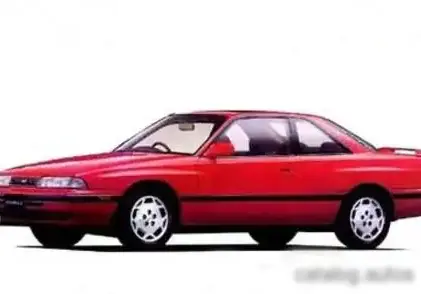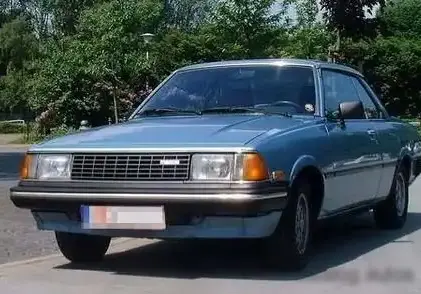
The Mazda Capella 2.0i, produced between 1994 and 1997, represented a significant offering in Mazda’s mid-size sedan lineup. Positioned as a step up from the base models, the 2.0i aimed to provide a balance of performance, comfort, and features for the family car buyer. It was part of the broader Capella (also known as the 626 in some markets) generation, which sought to modernize Mazda’s image and compete effectively with established rivals like the Toyota Camry and Honda Accord. This particular variant, with its 2.0-liter engine and 125 horsepower output, was a popular choice in many markets, offering a practical and reliable transportation solution.
Technical Specifications
| Brand | Mazda |
| Model | Capella |
| Generation | Capella |
| Type (Engine) | 2.0i (125 Hp) |
| Start of production | 1994 |
| End of production | 1997 |
| Powertrain Architecture | Internal Combustion engine |
| Body type | Sedan |
| Fuel Type | Petrol (Gasoline) |
| Weight-to-power ratio | 9.3 kg/Hp, 107.8 Hp/tonne |
| Weight-to-torque ratio | 6.7 kg/Nm, 149.1 Nm/tonne |
| Power | 125 Hp @ 5500 rpm |
| Power per litre | 62.8 Hp/l |
| Torque | 173 Nm @ 4500 rpm (127.6 lb.-ft. @ 4500 rpm) |
| Engine layout | Front, Transverse |
| Engine displacement | 1991 cm3 (121.5 cu. in.) |
| Number of cylinders | 4 |
| Engine configuration | Inline |
| Cylinder Bore | 83 mm (3.27 in.) |
| Piston Stroke | 92 mm (3.62 in.) |
| Compression ratio | 9:1 |
| Number of valves per cylinder | 4 |
| Fuel injection system | Multi-port manifold injection |
| Engine aspiration | Naturally aspirated engine |
| Valvetrain | DOHC |
| Kerb Weight | 1160 kg (2557.36 lbs.) |
| Fuel tank capacity | 60 l (15.85 US gal | 13.2 UK gal) |
| Length | 4595 mm (180.91 in.) |
| Width | 1695 mm (66.73 in.) |
| Height | 1395 mm (54.92 in.) |
| Wheelbase | 2610 mm (102.76 in.) |
| Front track | 1470 mm (57.87 in.) |
| Rear (Back) track | 1490 mm (58.66 in.) |
| Minimum turning circle | 10 m (32.81 ft.) |
| Drivetrain Architecture | The Internal combustion engine (ICE) drives the front wheels of the vehicle. |
| Drive wheel | Front wheel drive |
| Number of gears and type of gearbox | 5 gears, manual transmission |
| Front brakes | Ventilated discs |
| Rear brakes | Drum |
| Tires size | 185/65 R14 |
| Wheel rims size | 14 |
Powertrain & Engine Architecture
The heart of the Capella 2.0i was the Mazda F2 engine, a 1.991-liter inline-four cylinder powerplant. This engine utilized a double overhead camshaft (DOHC) valvetrain with four valves per cylinder, contributing to its relatively good breathing and power output for its displacement. The engine employed multi-port fuel injection, a common feature for the time, ensuring efficient fuel delivery and smooth operation. The 9:1 compression ratio was a compromise between performance and the ability to run on readily available fuel grades. The F2 engine was known for its durability and relatively straightforward maintenance. The five-speed manual transmission was the standard offering, providing drivers with good control over the engine’s powerband. The transmission was designed for smooth shifting and reliable operation, though it wasn’t particularly sporty in feel.
Driving Characteristics
The 125 horsepower and 173 Nm (127.6 lb-ft) of torque delivered by the 2.0i engine provided adequate, though not exhilarating, performance. Acceleration was respectable for everyday driving, with the Capella capable of reaching highway speeds without feeling strained. The five-speed manual transmission allowed drivers to keep the engine in its optimal power range, maximizing acceleration and responsiveness. Compared to the more powerful V6 options available in some markets, the 2.0i felt noticeably less potent, particularly when fully loaded with passengers and cargo. However, the 2.0i offered a more fuel-efficient and affordable alternative. The gear ratios were fairly conventional, prioritizing fuel economy and comfortable cruising over outright performance. Handling was generally secure and predictable, though the Capella wasn’t designed to be a corner carver.
Equipment & Trim Levels
The Capella 2.0i typically came equipped with a reasonable level of standard features. These generally included power windows and locks, manual air conditioning, and a basic audio system. Interior upholstery was typically cloth, with a focus on durability rather than luxury. Optional extras could include alloy wheels, a sunroof, upgraded audio systems, and cruise control. The dashboard layout was functional and straightforward, prioritizing ease of use over stylistic flair. The 2.0i trim level often served as a mid-range offering, bridging the gap between the more basic models and the higher-specification variants.
Chassis & Braking
The Capella 2.0i utilized a front-wheel-drive chassis with independent front suspension and a semi-independent rear suspension. The front suspension typically consisted of MacPherson struts, while the rear employed a torsion beam setup. This configuration provided a comfortable ride quality, though it wasn’t particularly sophisticated in terms of handling. Braking duties were handled by ventilated discs at the front and drum brakes at the rear. This combination was adequate for most driving situations, but lacked the stopping power and fade resistance of a four-wheel disc setup. The 185/65 R14 tires provided a good balance of ride comfort and grip.
Market Reception & Comparison
The Mazda Capella 2.0i was generally well-received by critics as a practical and reliable family sedan. It was praised for its fuel efficiency, comfortable ride, and reasonable price point. However, some reviewers noted that its performance was somewhat underwhelming compared to rivals, and its interior lacked the refinement of some competitors. Compared to the higher-output V6 models, the 2.0i offered significantly better fuel economy and lower running costs, making it a popular choice for budget-conscious buyers. Against competitors like the Toyota Camry and Honda Accord, the Capella 2.0i offered a compelling value proposition, though it often lacked the brand recognition and resale value of its Japanese rivals.
Legacy
The Mazda Capella 2.0i, and the F2 engine it utilized, have proven to be relatively durable and reliable over the long term. Well-maintained examples are still found on the road today, testament to the quality of its engineering. The F2 engine is known for its longevity and relatively simple maintenance requirements. In the used car market, the Capella 2.0i represents an affordable and practical option for those seeking a reliable and fuel-efficient sedan. While it may not offer the performance or prestige of some other vehicles in its class, it remains a solid and dependable choice for everyday transportation.