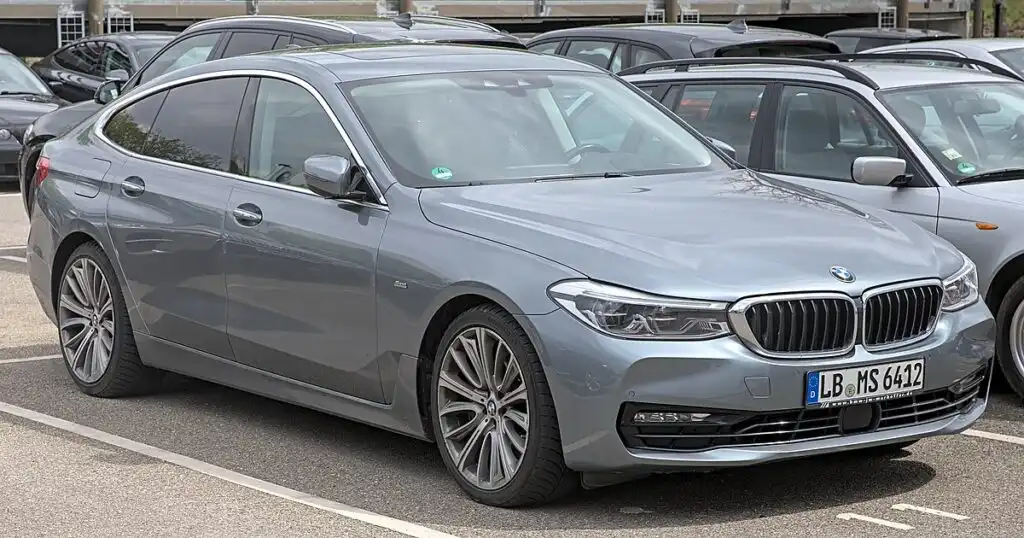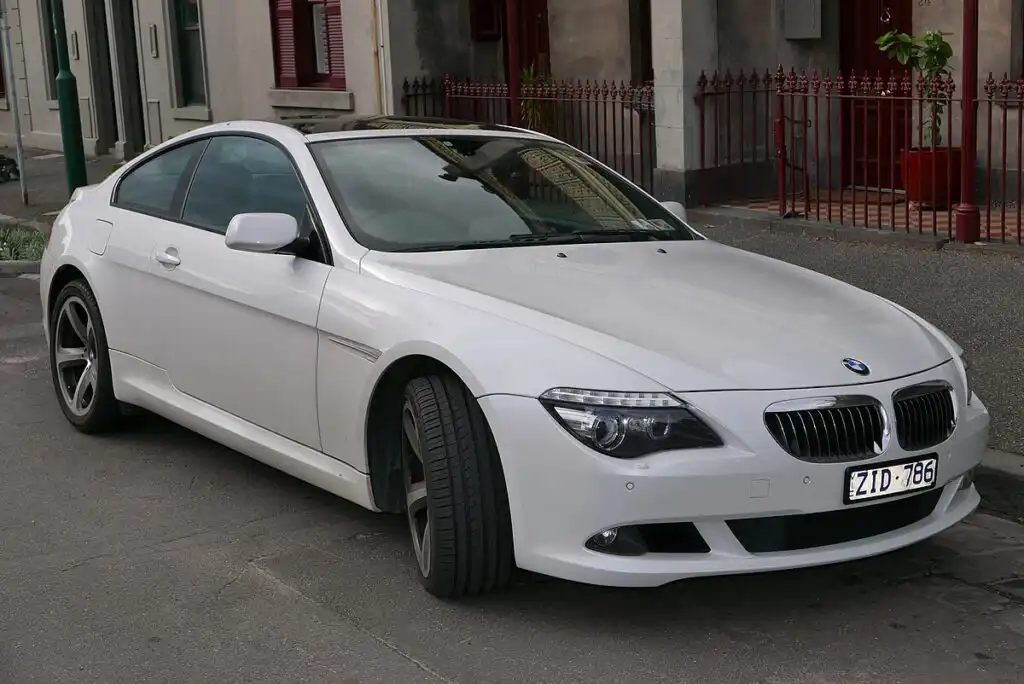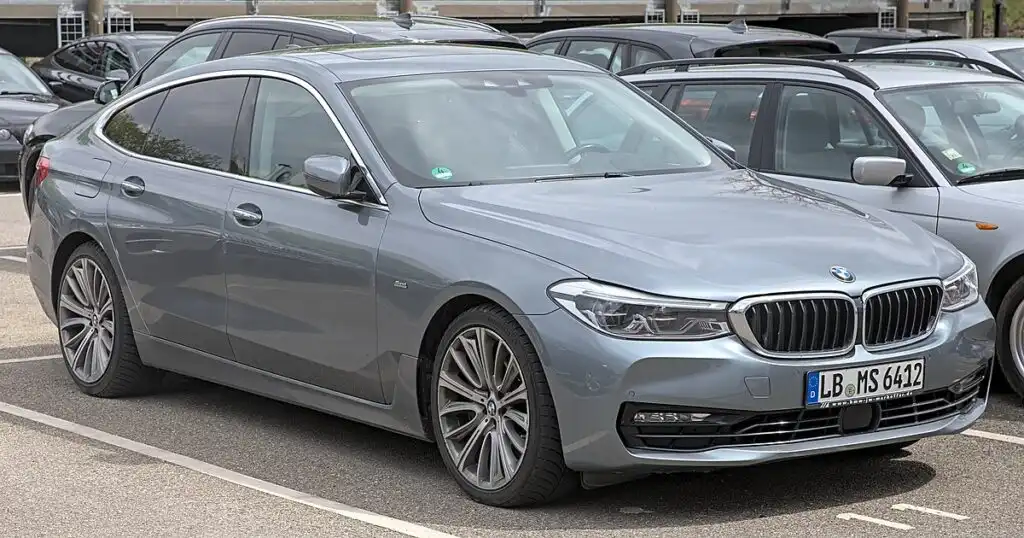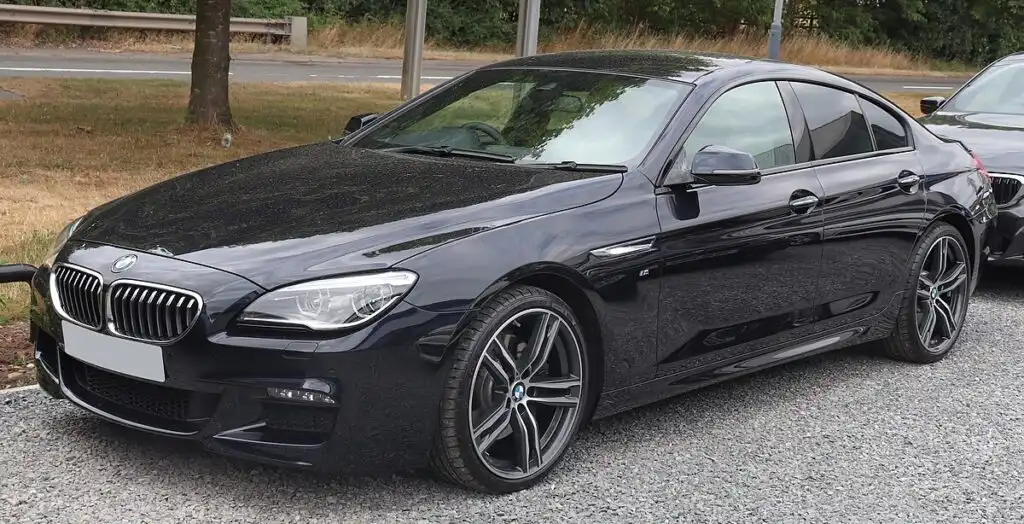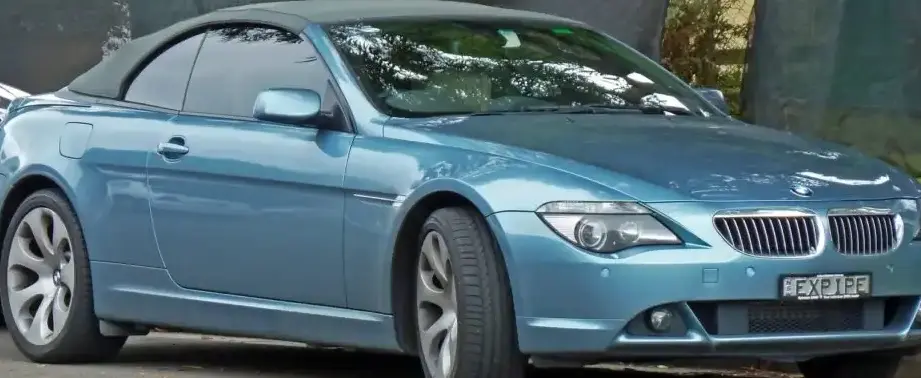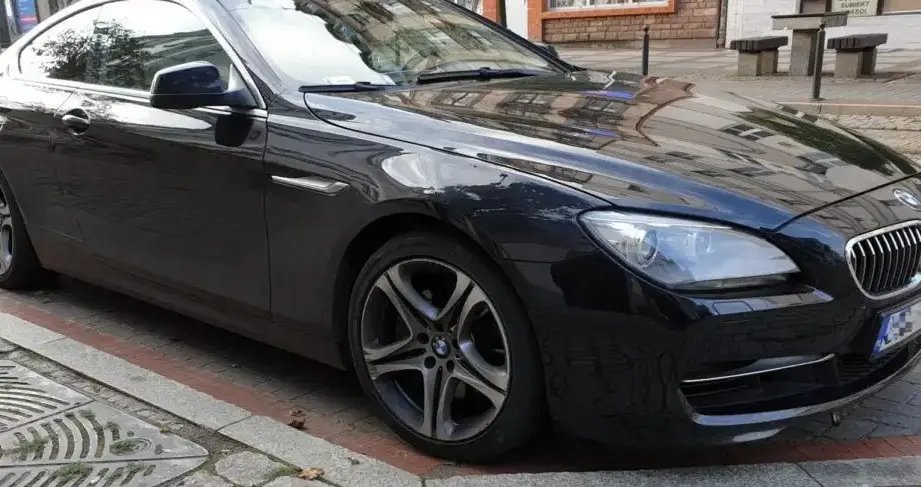
The BMW 6 Series Coupe (F13) 650i V8, produced from March 2011 to 2012, represented the high-performance variant of the second-generation 6 Series. Positioned as the flagship coupe within the F13 range, it offered a significant step up in power and luxury compared to the 640i models. Built on the F13 platform, this grand tourer aimed to blend sporting dynamics with refined comfort, targeting buyers seeking a powerful and sophisticated two-door coupe. The 650i V8 was a key model in BMW’s strategy to re-establish the 6 Series as a premium offering, competing with vehicles like the Mercedes-Benz CL-Class and Porsche 911.
Technical Specifications
| Brand | BMW |
| Model | 6 Series |
| Generation | 6 Series Coupe (F13) |
| Type (Engine) | 650i V8 (400 Hp) |
| Start of production | March, 2011 |
| End of production | 2012 |
| Powertrain Architecture | Internal Combustion engine |
| Body type | Coupe |
| Seats | 4 |
| Doors | 2 |
| Fuel consumption (economy) – urban (EPA) | 15.7 l/100 km (15 US mpg, 18 UK mpg, 6.4 km/l) |
| Fuel consumption (economy) – extra urban (EPA) | 10.7 l/100 km (22 US mpg, 26.4 UK mpg, 9.3 km/l) |
| Fuel consumption (economy) – combined (EPA) | 13.8 l/100 km (17 US mpg, 20.5 UK mpg, 7.2 km/l) |
| Fuel Type | Petrol (Gasoline) |
| Acceleration 0 – 100 km/h | 4.9 sec |
| Acceleration 0 – 62 mph | 4.9 sec |
| Acceleration 0 – 60 mph | 4.8 sec |
| Maximum speed | 210 km/h (130.49 mph), Electronically limited |
| Weight-to-power ratio | 4.8 kg/Hp, 208.3 Hp/tonne |
| Weight-to-torque ratio | 3.1 kg/Nm, 317.7 Nm/tonne |
| Power | 400 Hp @ 5500-6400 rpm |
| Power per litre | 91 Hp/l |
| Torque | 610 Nm @ 1750-4500 rpm (449.91 lb.-ft. @ 1750-4500 rpm) |
| Engine layout | Front, Longitudinal |
| Engine Model/Code | N63B44O0 |
| Engine displacement | 4395 cm3 (268.2 cu. in.) |
| Number of cylinders | 8 |
| Engine configuration | V-engine |
| Cylinder Bore | 89 mm (3.5 in.) |
| Piston Stroke | 88.3 mm (3.48 in.) |
| Compression ratio | 10:1 |
| Number of valves per cylinder | 4 |
| Fuel injection system | Direct injection |
| Engine aspiration | 2 x Twin-scroll turbo, Intercooler |
| Valvetrain | Double-VANOS |
| Engine oil capacity | 8.5 l (8.98 US qt | 7.48 UK qt) |
| Coolant | 11.4 l (12.05 US qt | 10.03 UK qt) |
| Kerb Weight | 1920 kg (4232.88 lbs.) |
| Max. weight | 2320 kg (5114.72 lbs.) |
| Max load | 400 kg (881.85 lbs.) |
| Trunk (boot) space – minimum | 460 l (16.24 cu. ft.) |
| Fuel tank capacity | 70 l (18.49 US gal | 15.4 UK gal) |
| Max. roof load | 75 kg (165.35 lbs.) |
| Length | 4894 mm (192.68 in.) |
| Width | 1894 mm (74.57 in.) |
| Width including mirrors | 2081 mm (81.93 in.) |
| Height | 1369 mm (53.9 in.) |
| Wheelbase | 2855 mm (112.4 in.) |
| Front track | 1594 mm (62.76 in.) |
| Rear (Back) track | 1651 mm (65 in.) |
| Front overhang | 942 mm (37.09 in.) |
| Rear overhang | 1097 mm (43.19 in.) |
| Minimum turning circle (turning diameter) | 11.7 m (38.39 ft.) |
| Drivetrain Architecture | The Internal combustion engine (ICE) drives the rear wheels of the vehicle. |
| Drive wheel | Rear wheel drive |
| Number of gears and type of gearbox | 6 gears, manual transmission |
| Front suspension | Coil spring, Double wishbone, Transverse stabilizer |
| Rear suspension | Independent multi-link spring suspension with stabilizer |
| Front brakes | Ventilated discs, 348 mm |
| Rear brakes | Ventilated discs, 345 mm |
| Assisting systems | ABS (Anti-lock braking system) |
| Steering type | Steering rack and pinion |
| Power steering | Electric Steering |
| Tires size | Front wheel tires: 245/40 R19; 245/35 R20Rear wheel tires: 245/40 R19; 275/30 R20 |
| Wheel rims size | Front wheel rims: 8.5J x 19; 8.5J x 20Rear wheel rims: 8.5J x 19; 9J x 20 |
Powertrain & Engine Architecture
The heart of the 650i V8 was the N63B44O0 4.4-liter twin-turbocharged V8 engine. This engine represented a significant advancement in BMW’s engine technology, featuring direct fuel injection and double-VANOS variable valve timing. The twin-scroll turbochargers were designed to minimize turbo lag and provide a broad, flat torque curve. The engine produced 400 horsepower at 5,500-6,400 rpm and a substantial 610 Nm (449.91 lb-ft) of torque between 1,750 and 4,500 rpm. The engine’s architecture was a 90-degree V8, providing inherent balance and smoothness. The 6-speed manual transmission was the only transmission option available for this variant, offering drivers a more engaging driving experience compared to the automatic transmissions offered in other 6 Series models.
Driving Characteristics
The 650i V8 with the 6-speed manual transmission delivered exhilarating performance. The combination of the powerful V8 engine and the manual gearbox allowed for precise control and a direct connection to the drivetrain. Acceleration from 0 to 60 mph was achieved in approximately 4.8 seconds, and the electronically limited top speed of 210 km/h (130.49 mph) was easily reached. The engine’s broad torque band meant strong acceleration was available across a wide range of engine speeds. Compared to the 640i models, the 650i offered a significantly more responsive and engaging driving experience, although the manual transmission demanded more driver involvement. The weight distribution, optimized by the front-engine, rear-wheel-drive layout, contributed to balanced handling and predictable cornering behavior.
Equipment & Trim Levels
The 650i V8 came standard with a comprehensive list of features, reflecting its position as the range-topping model. Standard equipment included leather upholstery, power-adjustable heated front seats, a premium sound system, automatic climate control, and BMW’s iDrive infotainment system. Exterior features included 19-inch alloy wheels, xenon headlights, and a sport suspension. Optional extras included a head-up display, active steering, adaptive cruise control, and a variety of interior trim options. The interior design emphasized luxury and craftsmanship, with high-quality materials and meticulous attention to detail. While not as customizable as some competitors, the 650i offered a refined and sophisticated interior environment.
Chassis & Braking
The F13 650i V8 featured a sophisticated chassis designed to deliver both comfort and handling prowess. The front suspension utilized a double-wishbone setup with a transverse stabilizer, while the rear suspension employed an independent multi-link design, also with a stabilizer bar. This configuration minimized body roll and provided precise control during cornering. The braking system consisted of ventilated discs on all four wheels, with larger discs at the front (348mm) compared to the rear (345mm). ABS (Anti-lock Braking System) was standard, ensuring optimal braking performance in various conditions. The steering system was a rack-and-pinion setup with electric power steering, providing precise and responsive steering feel.
Market Reception & Comparison
The 650i V8 was generally well-received by automotive critics, who praised its powerful engine, refined handling, and luxurious interior. However, some reviewers noted the relatively high fuel consumption and the firm ride quality. Compared to the 640i models, the 650i offered a significant performance upgrade, but at a higher price point. The manual transmission was appreciated by enthusiasts, but it limited the car’s appeal to a smaller segment of buyers. Fuel economy, averaging around 17 US mpg combined, was typical for a high-performance V8 coupe of that era, but it was considerably lower than the 640i’s fuel consumption. Reliability was generally good, although some owners reported minor issues with the electronic systems.
Legacy
The BMW 6 Series Coupe (F13) 650i V8 remains a desirable grand tourer in the used car market. The N63B44O0 engine, while complex, has proven to be relatively durable with proper maintenance. The combination of a powerful V8 engine and a manual transmission makes this variant particularly appealing to driving enthusiasts. While newer BMW 6 Series models offer more advanced technology and improved fuel efficiency, the F13 650i V8 retains a classic appeal and provides a rewarding driving experience. Its value has remained relatively stable, reflecting its status as a well-engineered and desirable performance coupe.