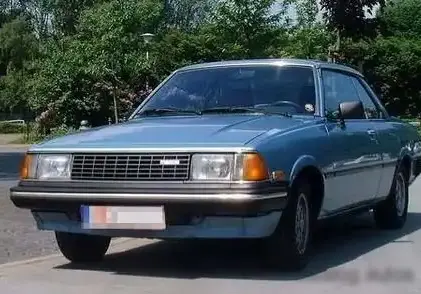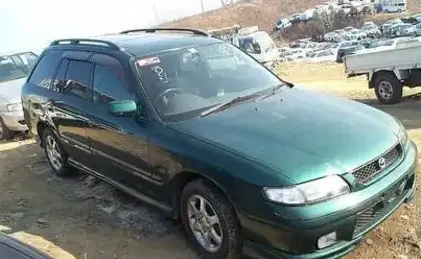
The Mazda Capella Wagon 2.0i (140 Hp) was a station wagon produced by Mazda between 1997 and 2002. It represented a practical offering within the broader Capella (also known as the 626 in some markets) range, catering to families and those requiring increased cargo space. This variant, powered by a 2.0-liter inline-four engine, occupied a mid-range position in the Capella Wagon lineup, offering a balance between performance and fuel economy. It was primarily sold in markets like Japan, Australia, and parts of Europe, though it didn’t receive significant sales volume in the United States.
Technical Specifications
| Brand | Mazda |
| Model | Capella |
| Generation | Capella Wagon |
| Type (Engine) | 2.0 i (140 Hp) |
| Start of production | 1997 |
| End of production | 2002 |
| Powertrain Architecture | Internal Combustion engine |
| Body type | Station wagon (estate) |
| Seats | 5 |
| Doors | 5 |
| Fuel Type | Petrol (Gasoline) |
| Weight-to-power ratio | 9.4 kg/Hp, 106.1 Hp/tonne |
| Weight-to-torque ratio | 7.1 kg/Nm, 140.9 Nm/tonne |
| Power | 140 Hp @ 6500 rpm |
| Power per litre | 70.2 Hp/l |
| Torque | 186 Nm @ 4000 rpm (137.19 lb.-ft. @ 4000 rpm) |
| Engine layout | Front, Transverse |
| Engine displacement | 1995 cm3 (121.74 cu. in.) |
| Number of cylinders | 4 |
| Engine configuration | Inline |
| Cylinder Bore | 84 mm (3.31 in.) |
| Piston Stroke | 90 mm (3.54 in.) |
| Compression ratio | 9.7:1 |
| Number of valves per cylinder | 4 |
| Fuel injection system | Multi-port manifold injection |
| Engine aspiration | Naturally aspirated engine |
| Valvetrain | DOHC |
| Kerb Weight | 1320 kg (2910.1 lbs.) |
| Fuel tank capacity | 60 l (15.85 US gal | 13.2 UK gal) |
| Length | 4665 mm (183.66 in.) |
| Width | 1965 mm (77.36 in.) |
| Height | 1510 mm (59.45 in.) |
| Wheelbase | 2670 mm (105.12 in.) |
| Front track | 1465 mm (57.68 in.) |
| Rear (Back) track | 1470 mm (57.87 in.) |
| Minimum turning circle | 11 m (36.09 ft.) |
| Drivetrain Architecture | The Internal combustion engine (ICE) drives the front wheels of the vehicle. |
| Drive wheel | Front wheel drive |
| Front brakes | Ventilated discs |
| Rear brakes | Drum |
| Tires size | 185/65 R15 |
| Wheel rims size | 5.5J x 15 |
Powertrain & Engine Architecture
The heart of the Capella Wagon 2.0i was the Mazda F-series engine, specifically the FS-DE variant. This 1.995-liter inline-four cylinder engine utilized a double overhead camshaft (DOHC) valvetrain with four valves per cylinder. The engine employed multi-port fuel injection, a common technology in the late 1990s, to deliver fuel directly into the intake ports. The 9.7:1 compression ratio was a compromise between performance and the ability to run on readily available fuel grades. While not a particularly advanced engine by modern standards, the FS-DE was known for its relative reliability and smooth operation. The engine was transversely mounted in the front of the vehicle, driving the front wheels.
Driving Characteristics
The 140 horsepower and 186 Nm (137 lb-ft) of torque provided by the 2.0i engine delivered adequate, but not exhilarating, performance. Acceleration was reasonable for everyday driving, but the wagon’s weight (1320 kg / 2910 lbs) meant it wasn’t a particularly quick vehicle. Compared to the higher-output engines available in the Capella range, such as the V6 options, the 2.0i felt noticeably less powerful. The automatic transmission, typically a four-speed unit, further dulled acceleration. Gear ratios were geared towards fuel efficiency rather than outright performance. The automatic transmission, while providing convenience, resulted in some power loss compared to the available five-speed manual transmission. The driving experience was generally comfortable and predictable, prioritizing ride quality over sporty handling.
Equipment & Trim Levels
The 2.0i trim level of the Capella Wagon typically included features such as power windows, power door locks, and air conditioning as standard equipment. Interior upholstery was usually cloth, with a relatively simple dashboard layout. Optional extras could include an upgraded audio system, alloy wheels, and a sunroof. The level of equipment was generally comparable to other mid-range station wagons of the era. Higher trim levels offered features like leather upholstery, automatic climate control, and more sophisticated audio systems. The 2.0i was positioned as a practical, family-oriented trim, offering a good balance of features and affordability.
Chassis & Braking
The Capella Wagon utilized a MacPherson strut front suspension and a multi-link rear suspension. This setup provided a comfortable ride and reasonable handling characteristics. Front brakes were ventilated discs, offering good stopping power, while rear brakes were drum brakes, a cost-saving measure common in this class of vehicle. The use of drum brakes on the rear limited overall braking performance compared to all-disc setups. Stabilizer bars were fitted to both the front and rear axles to reduce body roll during cornering. The 185/65 R15 tires provided adequate grip for everyday driving conditions.
Market Reception & Comparison
The Mazda Capella Wagon 2.0i was generally well-received as a practical and reliable family vehicle. Critics praised its spacious interior, comfortable ride, and fuel efficiency. However, it was often criticized for its lack of outright performance compared to some of its competitors. Compared to other trims in the Capella lineup, the 2.0i offered a more affordable entry point, but at the expense of performance. The V6 models provided significantly more power, but also came with a higher price tag and increased fuel consumption. The 2.0i’s fuel economy was generally considered to be good for its class, making it an attractive option for those prioritizing running costs.
Legacy
The Mazda Capella Wagon 2.0i, while not a particularly iconic vehicle, has proven to be relatively reliable over the long term. The FS-DE engine is known for its durability, and with proper maintenance, can last for many years. In the used car market today, these wagons are relatively affordable and can be a good value for those seeking a practical and reliable family vehicle. However, finding parts may become increasingly challenging as the vehicle ages. The Capella Wagon represents a period when Mazda focused on producing practical and well-built vehicles, and the 2.0i variant offered a solid and dependable option for families and individuals alike.