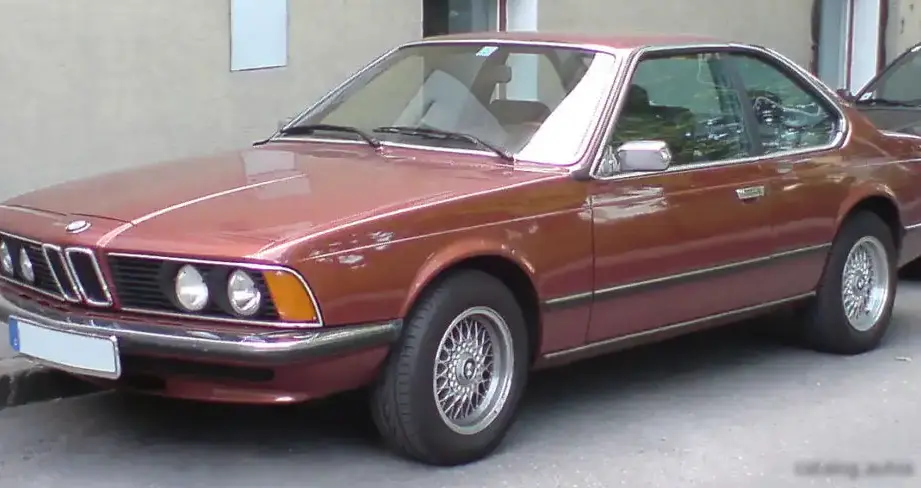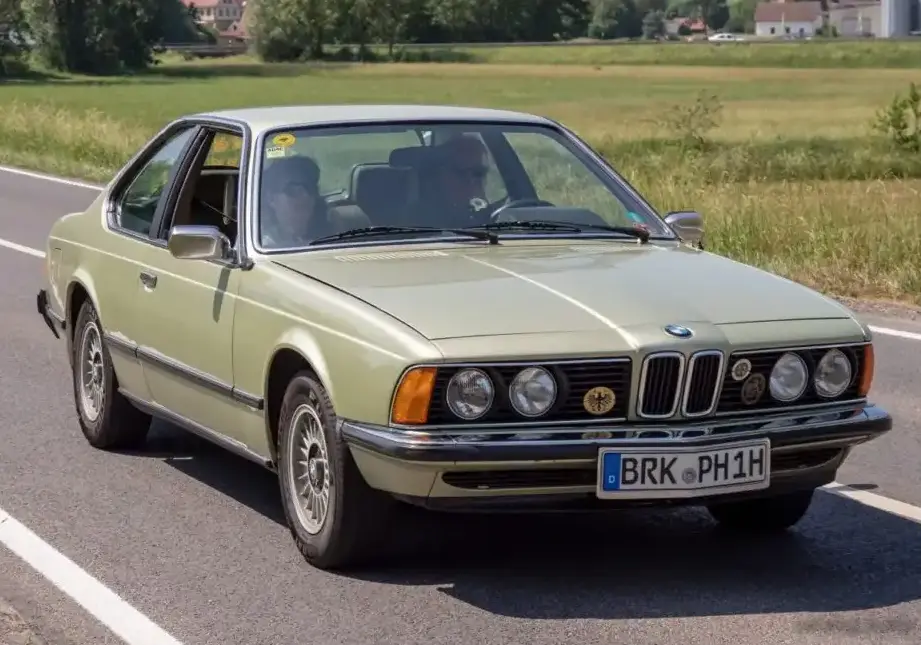
The BMW 633CSi, produced between 1976 and 1979, represents a pivotal point in the first generation (E24) of the 6 Series. Positioned as a premium coupe, it aimed to blend grand touring comfort with sporting performance. This variant, powered by the M30B32 engine, served as an important stepping stone between the earlier 630CS and the later, more powerful 635CSi. The 633CSi was BMW’s answer to rivals like the Mercedes-Benz SL and offered a more driver-focused experience than its competitors.
Technical Specifications
| Brand | BMW |
| Model | 6 Series |
| Generation | 6 Series (E24) |
| Type (Engine) | 633CSi (200 Hp) |
| Start of production | 1976 |
| End of production | 1979 |
| Powertrain Architecture | Internal Combustion engine |
| Body type | Coupe |
| Seats | 4 |
| Doors | 2 |
| Fuel Type | Petrol (Gasoline) |
| Acceleration 0 – 100 km/h | 7.9 sec |
| Acceleration 0 – 62 mph | 7.9 sec |
| Acceleration 0 – 60 mph | 7.5 sec |
| Maximum speed | 215 km/h (133.59 mph) |
| Weight-to-power ratio | 7.4 kg/Hp, 136.1 Hp/tonne |
| Weight-to-torque ratio | 5.2 kg/Nm, 193.2 Nm/tonne |
| Power | 200 Hp @ 5500 rpm |
| Power per litre | 62.3 Hp/l |
| Torque | 284 Nm @ 4250 rpm (209.47 lb.-ft. @ 4250 rpm) |
| Engine layout | Front, Longitudinal |
| Engine Model/Code | M30B32 |
| Engine displacement | 3210 cm3 (195.89 cu. in.) |
| Number of cylinders | 6 |
| Engine configuration | Inline |
| Cylinder Bore | 89 mm (3.5 in.) |
| Piston Stroke | 86 mm (3.39 in.) |
| Compression ratio | 9:1 |
| Number of valves per cylinder | 2 |
| Fuel injection system | Multi-port manifold injection |
| Engine aspiration | Naturally aspirated engine |
| Engine oil capacity | 5.8 l (6.13 US qt | 5.1 UK qt) |
| Kerb Weight | 1470 kg (3240.8 lbs.) |
| Max. weight | 1830 kg (4034.46 lbs.) |
| Max load | 360 kg (793.66 lbs.) |
| Trunk (boot) space – minimum | 415 l (14.66 cu. ft.) |
| Fuel tank capacity | 70 l (18.49 US gal | 15.4 UK gal) |
| Length | 4755 mm (187.2 in.) |
| Width | 1725 mm (67.91 in.) |
| Height | 1365 mm (53.74 in.) |
| Wheelbase | 2626 mm (103.39 in.) |
| Front track | 1422 mm (55.98 in.) |
| Rear (Back) track | 1487 mm (58.54 in.) |
| Drag coefficient (Cd) | 0.41 |
| Minimum turning circle | 11.2 m (36.75 ft.) |
| Drivetrain Architecture | Rear wheel drive |
| Number of gears | 4 gears, manual transmission |
| Front suspension | Independent, type McPherson with coil spring and anti-roll bar |
| Rear suspension | Independent coil spring |
| Front brakes | Ventilated discs |
| Rear brakes | Disc |
| Steering type | Worm-reduction unit |
| Tires size | 195/70 R14 |
| Wheel rims size | 14 |
Powertrain & Engine Architecture
The heart of the 633CSi is the M30B32 engine, a 3.2-liter inline-six. This engine, a descendant of the earlier M30 family, featured a cast iron block and an aluminum cylinder head. It employed Bosch K-Jetronic fuel injection, a mechanical system known for its reliability and precise fuel delivery. The engine produced 200 horsepower at 5,500 rpm and 209 lb-ft of torque at 4,250 rpm. The four-speed manual transmission was standard, providing a direct connection between the engine and the rear wheels. The M30 engine family was renowned for its smoothness and durability, and the B32 variant continued this tradition. The engine’s longitudinal mounting and rear-wheel-drive configuration contributed to the car’s balanced handling characteristics.
Driving Characteristics
The 633CSi offered a refined driving experience. While not as overtly sporty as the later 635CSi, it provided ample power for comfortable cruising and spirited driving. The four-speed manual transmission offered precise shifts, and the engine’s torque curve provided good responsiveness across a wide range of engine speeds. Compared to the 630CS, the 633CSi offered a noticeable increase in performance. However, it lacked the outright acceleration and sharper handling of the 635CSi, which benefited from a larger engine and upgraded suspension components. The 633CSi’s focus was more on grand touring comfort, making it an ideal choice for long-distance journeys.
Equipment & Trim Levels
The 633CSi came reasonably well-equipped for its time. Standard features included power-assisted steering, power-assisted brakes, and a comfortable interior with cloth upholstery. Options included leather upholstery, air conditioning, a sunroof, and a premium sound system. The interior design was typically BMW, with a driver-focused layout and high-quality materials. The dashboard featured a comprehensive array of gauges, providing the driver with essential information about the car’s performance. The 633CSi occupied a mid-range position in the 6 Series lineup, offering a balance of features and performance.
Chassis & Braking
The E24 chassis featured independent suspension all around, with McPherson struts at the front and a semi-trailing arm suspension at the rear. This setup provided a comfortable ride and good handling characteristics. The 633CSi was equipped with ventilated disc brakes at the front and solid disc brakes at the rear, providing adequate stopping power. The steering was a worm-reduction unit, offering a good balance of feel and precision. The car’s relatively low weight (around 3,240 lbs) contributed to its agile handling.
Market Reception & Comparison
The 633CSi was generally well-received by automotive critics. It was praised for its stylish design, comfortable interior, and refined driving experience. However, some critics noted that it lacked the outright performance of its rivals, particularly the Porsche 911. Compared to the 630CS, the 633CSi offered a significant performance upgrade, making it a more desirable option for enthusiasts. Compared to the 635CSi, it represented a more affordable entry point into the 6 Series range, albeit with a slight compromise in performance. Fuel economy was reasonable for a car of its size and performance, averaging around 18-22 mpg.
Legacy
The BMW 633CSi remains a sought-after classic car today. The M30B32 engine is known for its durability and reliability, and well-maintained examples can still provide years of enjoyable driving. However, like any classic car, the 633CSi requires regular maintenance and attention to detail. Parts availability can be a challenge, but a dedicated network of BMW enthusiasts and specialists exists to support owners. The 633CSi represents a high point in BMW’s grand touring heritage, and its timeless design and refined driving experience continue to appeal to collectors and enthusiasts alike. Its position as a bridge between the earlier, more basic 6 Series models and the later, more performance-oriented versions makes it a particularly interesting and valuable example of the E24 generation.