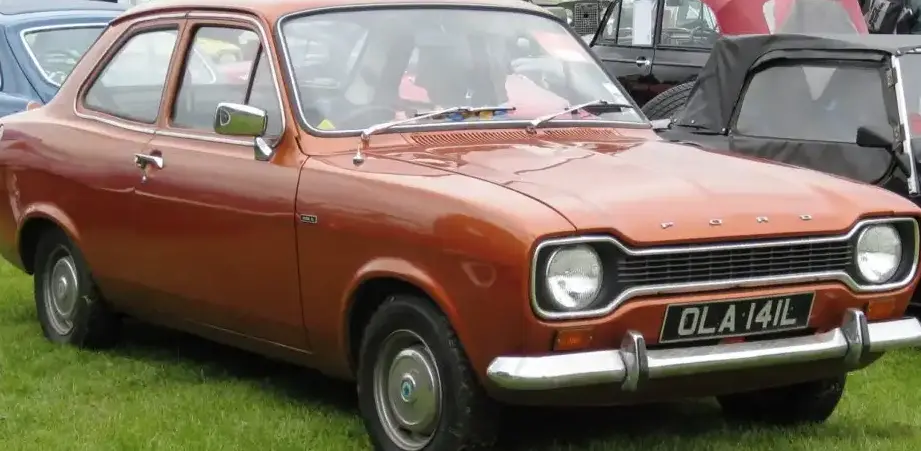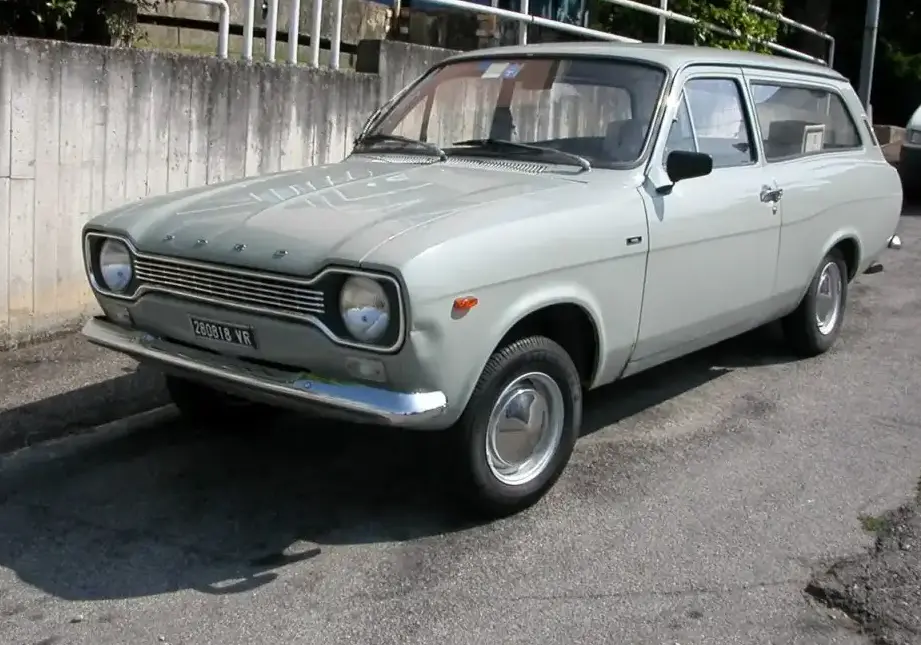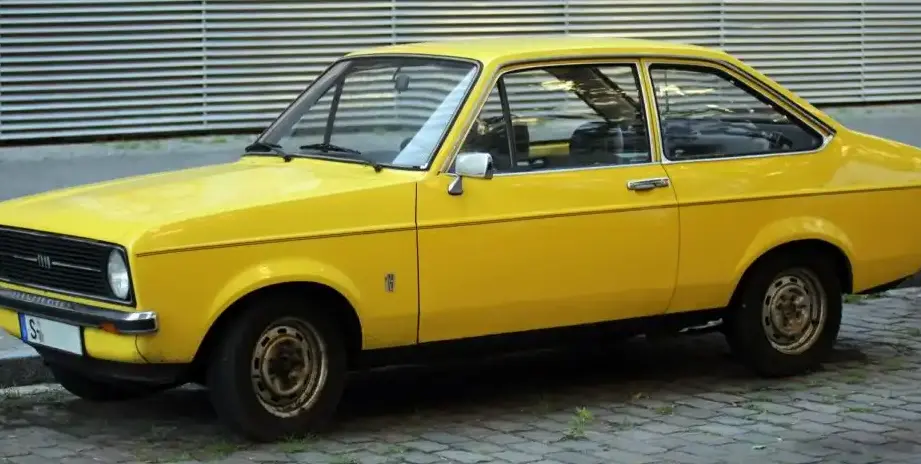
The Ford Escort VI Cabrio 1.6i 16V, produced between 1993 and 1995, represented a popular entry point into the world of open-top motoring for European buyers. Part of the sixth generation of the Escort (Mk VI), the Cabriolet offered a more affordable and stylish alternative to the coupe, leveraging the widespread popularity of the Escort platform. This particular variant, equipped with the 1.6-liter, 16-valve engine producing 90 horsepower, was positioned as a mid-range offering, balancing performance with fuel economy and affordability. It sat below the more powerful 1.8-liter versions and above the base 1.3-liter models in the Cabriolet lineup. The Escort VI generation, and the Cabriolet within it, were key models for Ford in Europe, offering a practical and relatively modern package in the competitive small family car segment.
Technical Specifications
| Brand | Ford |
| Model | Escort |
| Generation | Escort VI Cabrio (ALL) |
| Type (Engine) | 1.6 i 16V (90 Hp) |
| Start of production | 1993 |
| End of production | 1995 |
| Powertrain Architecture | Internal Combustion engine |
| Body type | Cabriolet |
| Seats | 5 |
| Doors | 2 |
| Fuel consumption (combined) | 7.6 l/100 km |
| Fuel consumption (US mpg) | 30.9 US mpg |
| Fuel consumption (UK mpg) | 37.2 UK mpg |
| Fuel consumption (km/l) | 13.2 km/l |
| Fuel Type | Petrol (Gasoline) |
| Acceleration 0 – 100 km/h | 12.8 sec |
| Acceleration 0 – 62 mph | 12.8 sec |
| Acceleration 0 – 60 mph | 12.2 sec |
| Maximum speed | 173 km/h (107.5 mph) |
| Weight-to-power ratio | 13.1 kg/Hp |
| Weight-to-torque ratio | 8.8 kg/Nm |
| Power | 90 Hp @ 5500 rpm |
| Power per litre | 56.4 Hp/l |
| Torque | 134 Nm @ 3000 rpm (98.83 lb.-ft. @ 3000 rpm) |
| Engine layout | Front, Transverse |
| Engine Model/Code | L1E |
| Engine displacement | 1597 cm3 (97.45 cu. in.) |
| Number of cylinders | 4 |
| Engine configuration | Inline |
| Cylinder Bore | 76 mm (2.99 in.) |
| Piston Stroke | 88 mm (3.46 in.) |
| Compression ratio | 10.3:1 |
| Number of valves per cylinder | 4 |
| Fuel injection system | Multi-port manifold injection |
| Engine aspiration | Naturally aspirated engine |
| Valvetrain | DOHC |
| Engine oil capacity | 4.25 l (4.49 US qt | 3.74 UK qt) |
| Coolant capacity | 7 l (7.4 US qt | 6.16 UK qt) |
| Kerb Weight | 1175 kg (2590.43 lbs.) |
| Max. weight | 1650 kg (3637.63 lbs.) |
| Max load | 475 kg (1047.2 lbs.) |
| Trunk (boot) space – minimum | 322 l (11.37 cu. ft.) |
| Fuel tank capacity | 55 l (14.53 US gal | 12.1 UK gal) |
| Length | 4036 mm (158.9 in.) |
| Width | 1692 mm (66.61 in.) |
| Height | 1379 mm (54.29 in.) |
| Wheelbase | 2525 mm (99.41 in.) |
| Front track | 1440 mm (56.69 in.) |
| Rear (Back) track | 1455 mm (57.28 in.) |
| Drivetrain Architecture | The Internal combustion engine (ICE) drives the front wheels of the vehicle. |
| Drive wheel | Front wheel drive |
| Number of gears and type of gearbox | 5 gears, manual transmission |
| Front suspension | Spring Strut |
| Rear suspension | Coil spring |
| Front brakes | Ventilated discs |
| Rear brakes | Drum |
| Assisting systems | ABS (Anti-lock braking system) |
| Steering type | Steering rack and pinion |
| Power steering | Hydraulic Steering |
| Tires size | 185/60 R14 H |
Powertrain & Engine Architecture
The heart of the Escort VI Cabrio 1.6i 16V is the Ford L1E engine, a 1.6-liter inline-four cylinder powerplant. This engine, part of the Ford Sigma series, featured a cast iron block and an aluminum cylinder head. The “16V” designation indicates the presence of four valves per cylinder – two intake and two exhaust – operated by a double overhead camshaft (DOHC) valvetrain. This configuration allowed for improved breathing and higher engine speeds compared to older, simpler designs. Fuel delivery was handled by a multi-port fuel injection system, providing precise fuel metering for optimal combustion. The L1E engine produced 90 horsepower at 5500 rpm and 134 Nm (98.83 lb-ft) of torque at 3000 rpm. The engine was typically paired with a five-speed manual transmission, although a four-speed automatic transmission was also available, albeit less common. The automatic transmission, while offering convenience, did impact acceleration and fuel economy.
Driving Characteristics
The 1.6i 16V Escort Cabrio, particularly when equipped with the manual transmission, offered a reasonably engaging driving experience. While not a sports car, the engine provided adequate power for everyday driving and occasional spirited runs. Acceleration to 60 mph took around 12.2 seconds, and the top speed was approximately 107.5 mph. The automatic transmission version, however, felt noticeably slower, with acceleration times closer to 12.8 seconds. The gear ratios in the manual transmission were well-spaced, allowing the engine to remain in its optimal power band. The Cabriolet’s handling was typical of front-wheel-drive cars of the era – safe and predictable, but not particularly sporty. The relatively lightweight construction of the car helped to mitigate understeer, and the suspension provided a comfortable ride on most road surfaces.
Equipment & Trim Levels
The Escort VI Cabrio 1.6i 16V typically came with a reasonable level of standard equipment. This included power steering, central locking, electric front windows, and an adjustable steering column. Interior upholstery was usually cloth, with a relatively simple dashboard layout. Optional extras included alloy wheels, a sunroof, and upgraded audio systems. Higher trim levels, such as the Ghia, offered more luxurious appointments, including leather upholstery and wood trim. The Cabriolet’s interior was functional and well-built, although it lacked the sophistication of some of its more expensive rivals.
Chassis & Braking
The Escort VI Cabriolet utilized a MacPherson strut front suspension and a coil spring rear suspension. This setup provided a good balance between ride comfort and handling. The front brakes were ventilated discs, offering good stopping power, while the rear brakes were drums. Anti-lock braking system (ABS) was available as an option, enhancing safety in emergency braking situations. The chassis was reinforced to compensate for the lack of a fixed roof, providing adequate torsional rigidity. Stabilizer bars were fitted to both the front and rear axles to reduce body roll during cornering.
Market Reception & Comparison
The Escort VI Cabrio 1.6i 16V was generally well-received by automotive critics. It was praised for its affordability, practicality, and stylish design. However, some critics noted that the engine lacked the punch of the larger 1.8-liter versions. Compared to the 1.8-liter models, the 1.6i 16V offered better fuel economy, but at the expense of performance. The 1.3-liter models were even more fuel-efficient but were significantly slower. The 1.6i 16V struck a good balance between these extremes, making it a popular choice for buyers who wanted a stylish and affordable open-top car without sacrificing too much performance.
Legacy
The Ford Escort VI Cabrio 1.6i 16V has proven to be a relatively reliable car, with the L1E engine being generally durable. However, like all cars of this era, it is susceptible to rust, particularly in areas exposed to salt. The automatic transmission, if not properly maintained, can be prone to issues. Today, the Escort VI Cabrio is a popular choice among classic car enthusiasts, offering a nostalgic driving experience and a relatively affordable entry point into the world of classic motoring. Well-maintained examples are becoming increasingly collectible, and the car remains a testament to Ford’s ability to produce practical and stylish cars that appeal to a wide range of buyers.