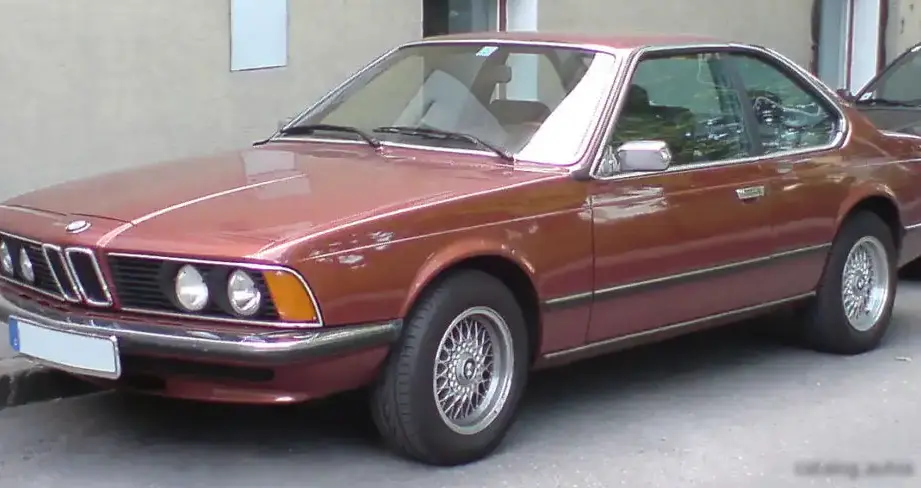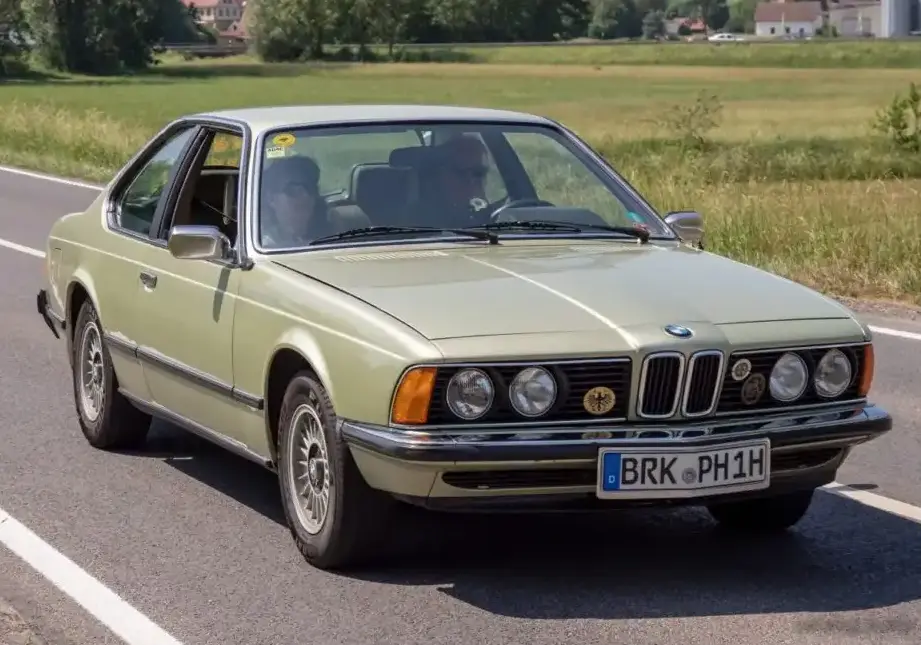
The BMW 635CSi, produced between 1978 and 1982, represents a pivotal point in the evolution of the 6 Series lineup. As the successor to the original E24 630CS, the 635CSi brought increased performance and refinement to BMW’s flagship coupe. It occupied the mid-to-upper range of the 6 Series offerings, positioned above the 630CS and below the later, more powerful M6. The 635CSi was a key model for BMW, establishing the 6 Series as a grand tourer focused on a blend of luxury, performance, and sophisticated engineering. It was primarily marketed towards buyers seeking a sporty, yet comfortable, two-door coupe with a prestigious badge.
Technical Specifications
| Brand | BMW |
| Model | 6 Series |
| Generation | 6 Series (E24) |
| Type (Engine) | 635CSi (218 Hp) |
| Start of production | 1978 |
| End of production | 1982 |
| Powertrain Architecture | Internal Combustion engine |
| Body type | Coupe |
| Seats | 4 |
| Doors | 2 |
| Fuel consumption (combined) | 10 l/100 km (23.5 US mpg, 28.2 UK mpg, 10 km/l) |
| Fuel Type | Petrol (Gasoline) |
| Acceleration 0 – 100 km/h | 7.6 sec |
| Acceleration 0 – 62 mph | 7.6 sec |
| Acceleration 0 – 60 mph | 7.2 sec |
| Maximum speed | 222 km/h (137.94 mph) |
| Weight-to-power ratio | 6.9 kg/Hp, 145.3 Hp/tonne |
| Weight-to-torque ratio | 4.8 kg/Nm, 206.7 Nm/tonne |
| Power | 218 Hp @ 5200 rpm |
| Power per litre | 63.1 Hp/l |
| Torque | 310 Nm @ 4000 rpm (228.64 lb.-ft. @ 4000 rpm) |
| Engine layout | Front, Longitudinal |
| Engine Model/Code | M30B35 |
| Engine displacement | 3453 cm3 (210.71 cu. in.) |
| Number of cylinders | 6 |
| Engine configuration | Inline |
| Cylinder Bore | 93.4 mm (3.68 in.) |
| Piston Stroke | 84 mm (3.31 in.) |
| Compression ratio | 9.3:1 |
| Number of valves per cylinder | 2 |
| Fuel injection system | Multi-port manifold injection |
| Engine aspiration | Naturally aspirated engine |
| Engine oil capacity | 6.5 l (6.87 US qt | 5.72 UK qt) |
| Kerb Weight | 1500 kg (3306.93 lbs.) |
| Max. weight | 1860 kg (4100.6 lbs.) |
| Max load | 360 kg (793.66 lbs.) |
| Trunk (boot) space – minimum | 415 l (14.66 cu. ft.) |
| Fuel tank capacity | 70 l (18.49 US gal | 15.4 UK gal) |
| Length | 4755 mm (187.2 in.) |
| Width | 1725 mm (67.91 in.) |
| Height | 1365 mm (53.74 in.) |
| Wheelbase | 2626 mm (103.39 in.) |
| Front track | 1422 mm (55.98 in.) |
| Rear (Back) track | 1487 mm (58.54 in.) |
| Minimum turning circle | 11.2 m (36.75 ft.) |
| Drivetrain Architecture | Rear wheel drive |
| Number of gears | 5 gears, manual transmission |
| Front suspension | Independent, type McPherson with coil spring and anti-roll bar |
| Rear suspension | Independent coil spring |
| Front brakes | Ventilated discs |
| Rear brakes | Disc |
| Steering type | Worm-reduction unit |
| Tires size | 195/70 R14 |
| Wheel rims size | 14 |
Powertrain & Engine Architecture
The heart of the 635CSi is the M30B35 engine, a 3.5-liter inline-six cylinder powerplant. This engine represented a significant upgrade over the earlier M30 engines, featuring a larger displacement and revised cylinder head design. The M30B35 utilized Bosch K-Jetronic fuel injection, a mechanical system known for its reliability and precise fuel delivery. This system, while not as sophisticated as later electronic fuel injection, provided excellent driveability and performance for its time. The engine boasted a 9.3:1 compression ratio and two valves per cylinder. The engine’s robust construction and relatively simple design contributed to its longevity and ease of maintenance. All 635CSi models were initially equipped with a five-speed manual transmission, providing a direct and engaging driving experience.
Driving Characteristics
The 635CSi offered a compelling blend of performance and comfort. With 218 horsepower and 228.64 lb-ft of torque, the coupe could accelerate from 0 to 60 mph in approximately 7.2 seconds and achieve a top speed of around 138 mph. The inline-six engine delivered a smooth and linear power delivery, making it well-suited for both spirited driving and long-distance cruising. The five-speed manual transmission allowed drivers to fully exploit the engine’s powerband, while the rear-wheel-drive configuration provided a balanced and engaging handling experience. The car’s relatively lightweight construction (around 3300 lbs) contributed to its agility and responsiveness. Compared to the later 635CSi models with automatic transmissions, the manual version offered a more direct connection to the engine and a more engaging driving experience.
Equipment & Trim Levels
The 635CSi was well-equipped for its era, offering a range of standard features designed to enhance comfort and convenience. Standard equipment included power windows, central locking, and a high-quality sound system. The interior was typically trimmed with leather upholstery, and wood trim was used to accent the dashboard and door panels. Optional extras included a sunroof, air conditioning, and upgraded audio systems. The 635CSi’s interior was designed with a focus on driver comfort and ergonomics, providing a refined and luxurious environment. The car’s instrumentation was clear and concise, providing drivers with all the necessary information at a glance.
Chassis & Braking
The 635CSi featured a robust chassis and a well-engineered suspension system. The front suspension utilized McPherson struts with coil springs and an anti-roll bar, while the rear suspension employed independent coil springs. This setup provided a comfortable ride while maintaining good handling characteristics. The car was equipped with ventilated disc brakes at the front and solid disc brakes at the rear, providing ample stopping power. The steering was a worm-reduction unit, offering precise and responsive control. The 635CSi’s chassis was designed to provide a stable and predictable platform for spirited driving, while also offering a comfortable ride for everyday use.
Market Reception & Comparison
The 635CSi was widely praised by automotive critics for its performance, handling, and refinement. It was considered to be one of the best grand touring coupes of its time, offering a compelling alternative to rivals such as the Mercedes-Benz SL. Compared to the earlier 630CS, the 635CSi offered a significant increase in performance and refinement. It also offered a more luxurious and well-equipped interior. While the later M6 offered even higher performance, the 635CSi provided a more balanced and practical package for everyday use. Fuel economy was reasonable for a performance coupe of the era, averaging around 23.5 mpg in combined driving.
Legacy
The BMW 635CSi remains a highly sought-after classic car today. Its combination of performance, luxury, and timeless styling has made it a favorite among collectors and enthusiasts. The M30B35 engine is known for its durability and reliability, and many examples are still on the road today. However, like any classic car, the 635CSi requires regular maintenance and care to keep it in good condition. Parts availability can be a challenge, but a thriving aftermarket supports the model. The 635CSi’s legacy as a benchmark grand tourer continues to endure, cementing its place in automotive history.