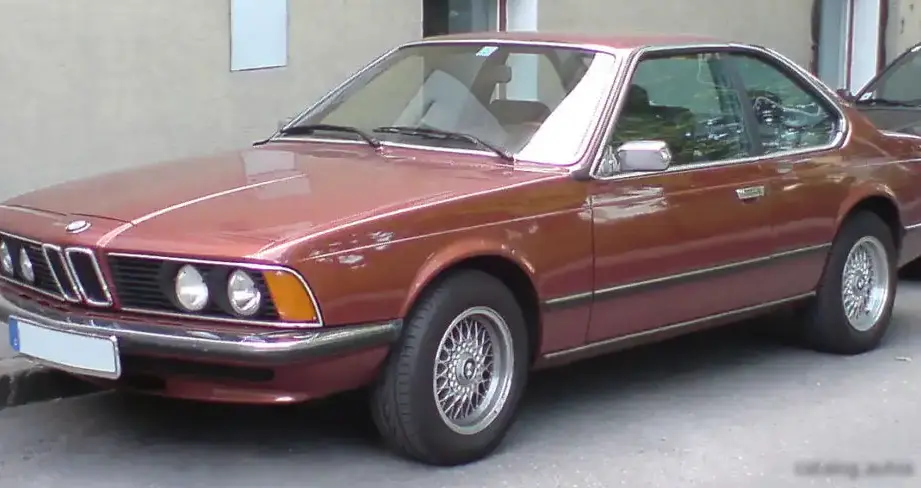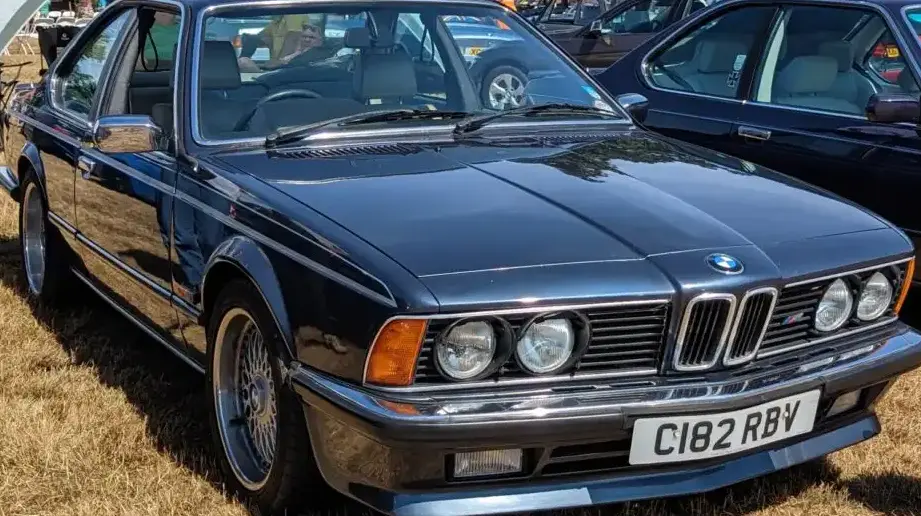
The BMW 635CSi automatic, produced from 1982 to 1987, represents a significant iteration of the E24 6 Series coupe. Positioned as a high-performance variant within the lineup, it offered a blend of luxury and sporting capability. This model, particularly with the automatic transmission, aimed to provide a more relaxed grand touring experience compared to its manual counterparts, while still delivering the renowned BMW driving dynamics. It was a key part of the facelifted E24 series (often referred to as the ‘sharknose’ due to its revised front-end styling), which addressed some of the earlier criticisms of the original E24 design.
Technical Specifications
| Brand | BMW |
| Model | 6 Series |
| Generation | 6 Series (E24, facelift 1982) |
| Type (Engine) | 635CSi (218 Hp) Automatic |
| Start of production | 1982 |
| End of production | 1987 |
| Powertrain Architecture | Internal Combustion engine |
| Body type | Coupe |
| Seats | 4 |
| Doors | 2 |
| Fuel consumption (urban) | 14.8 l/100 km (15.9 US mpg, 19.1 UK mpg, 6.8 km/l) |
| Fuel consumption (extra urban) | 6.8 l/100 km (34.6 US mpg, 41.5 UK mpg, 14.7 km/l) |
| Fuel consumption (combined) | 10.1 l/100 km (23.3 US mpg, 28 UK mpg, 9.9 km/l) |
| Fuel Type | Petrol (Gasoline) |
| Acceleration 0 – 100 km/h | 9 sec |
| Acceleration 0 – 62 mph | 9 sec |
| Acceleration 0 – 60 mph | 8.6 sec |
| Maximum speed | 221 km/h (137.32 mph) |
| Weight-to-power ratio | 6.7 kg/Hp, 150.3 Hp/tonne |
| Weight-to-torque ratio | 4.7 kg/Nm, 213.8 Nm/tonne |
| Power | 218 Hp @ 5200 rpm |
| Power per litre | 63.6 Hp/l |
| Torque | 310 Nm @ 4000 rpm (228.64 lb.-ft. @ 4000 rpm) |
| Engine layout | Front, Longitudinal |
| Engine Model/Code | M30 |
| Engine displacement | 3430 cm3 (209.31 cu. in.) |
| Number of cylinders | 6 |
| Engine configuration | Inline |
| Cylinder Bore | 92 mm (3.62 in.) |
| Piston Stroke | 86 mm (3.39 in.) |
| Compression ratio | 10:1 |
| Number of valves per cylinder | 2 |
| Fuel injection system | Multi-port manifold injection |
| Engine aspiration | Naturally aspirated engine |
| Engine oil capacity | 5.8 l (6.13 US qt | 5.1 UK qt) |
| Coolant | 12 l (12.68 US qt | 10.56 UK qt) |
| Kerb Weight | 1450 kg (3196.7 lbs.) |
| Max. weight | 1850 kg (4078.55 lbs.) |
| Max load | 400 kg (881.85 lbs.) |
| Trunk (boot) space – minimum | 415 l (14.66 cu. ft.) |
| Fuel tank capacity | 70 l (18.49 US gal | 15.4 UK gal) |
| Length | 4755 mm (187.2 in.) |
| Width | 1725 mm (67.91 in.) |
| Height | 1365 mm (53.74 in.) |
| Wheelbase | 2625 mm (103.35 in.) |
| Front track | 1430 mm (56.3 in.) |
| Rear (Back) track | 1460 mm (57.48 in.) |
| Drag coefficient (Cd) | 0.41 |
| Minimum turning circle | 11.2 m (36.75 ft.) |
| Drivetrain Architecture | Rear wheel drive |
| Number of gears and type of gearbox | 4 gears, automatic transmission |
| Front suspension | Independent, type McPherson with coil spring and anti-roll bar |
| Rear suspension | Independent coil spring |
| Front brakes | Ventilated discs |
| Rear brakes | Disc |
| Steering type | Cone worm with recirculation balls |
| Tires size | 205/70 VR14 |
| Wheel rims size | 14 |
Powertrain & Engine Architecture
The heart of the 635CSi is the M30 inline-six engine, specifically the version designated for this model. This 3.4-liter engine produced 218 horsepower at 5200 rpm and 310 Nm (228.64 lb-ft) of torque at 4000 rpm. It featured multi-port fuel injection, a significant advancement over earlier carbureted BMW engines, contributing to improved performance and fuel efficiency. The engine utilized a single overhead camshaft (SOHC) valvetrain with two valves per cylinder. The automatic transmission paired with this engine was a four-speed unit, designed to provide smooth and comfortable shifting. While not as sporty as the available five-speed manual, it was well-suited for the grand touring nature of the car.
Driving Characteristics
The 635CSi automatic offered a distinctly different driving experience compared to the manual transmission versions. The automatic gearbox, while smooth, did result in a slight performance deficit. Acceleration from 0 to 60 mph took approximately 8.6 seconds, a bit slower than the manual. However, the automatic provided a more relaxed and effortless driving experience, particularly in city traffic or on long highway journeys. The gear ratios were tuned for comfortable cruising, and the transmission generally shifted smoothly, although it lacked the responsiveness of a modern automatic. The car’s weight distribution, typical of BMWs of the era, contributed to balanced handling, but the automatic transmission didn’t allow for the same level of driver control as the manual.
Equipment & Trim Levels
The 635CSi automatic was generally well-equipped, reflecting its position as a premium model. Standard features included power windows, power locks, a sunroof, and leather upholstery. The interior was characterized by a driver-focused layout with analog gauges and a relatively simple dashboard design. Optional extras included upgraded sound systems, heated seats, and metallic paint finishes. The trim level was largely consistent, with variations primarily stemming from the addition of optional packages. The automatic transmission was often paired with more luxurious interior options, appealing to buyers prioritizing comfort over outright performance.
Chassis & Braking
The E24 6 Series featured an independent suspension system all around, with McPherson struts at the front and a semi-trailing arm setup at the rear. This configuration provided a good balance of ride comfort and handling. The 635CSi was equipped with ventilated disc brakes at the front and solid disc brakes at the rear, offering adequate stopping power for the car’s weight and performance. Steering was via a cone worm and recirculation ball system, providing a relatively direct feel, though it lacked the precision of more modern steering technologies. The car’s chassis was robust and well-engineered, contributing to its overall stability and handling characteristics.
Market Reception & Comparison
The 635CSi automatic was generally well-received by automotive critics. It was praised for its comfortable ride, refined interior, and strong engine performance. However, some reviewers noted that the automatic transmission detracted slightly from the car’s sporting potential. Compared to the 635CSi with a manual transmission, the automatic version was seen as more suitable for drivers who prioritized comfort and convenience. It also differed significantly from the 633CSi, which had a smaller engine and lower price point, and the later 650i models, which offered even more power and luxury. Fuel economy was reasonable for the time, averaging around 23.3 US mpg in combined driving.
Legacy
The BMW 635CSi automatic has become a sought-after classic car. The M30 engine is known for its durability and relatively straightforward maintenance. However, like all classic BMWs, it requires regular attention to prevent corrosion and ensure proper operation. The automatic transmission, while reliable, can be expensive to repair if it fails. Today, well-maintained examples of the 635CSi automatic command a premium in the used car market, appealing to collectors and enthusiasts who appreciate its blend of style, performance, and classic BMW engineering. Its enduring appeal lies in its ability to deliver a refined and engaging driving experience, even by modern standards.