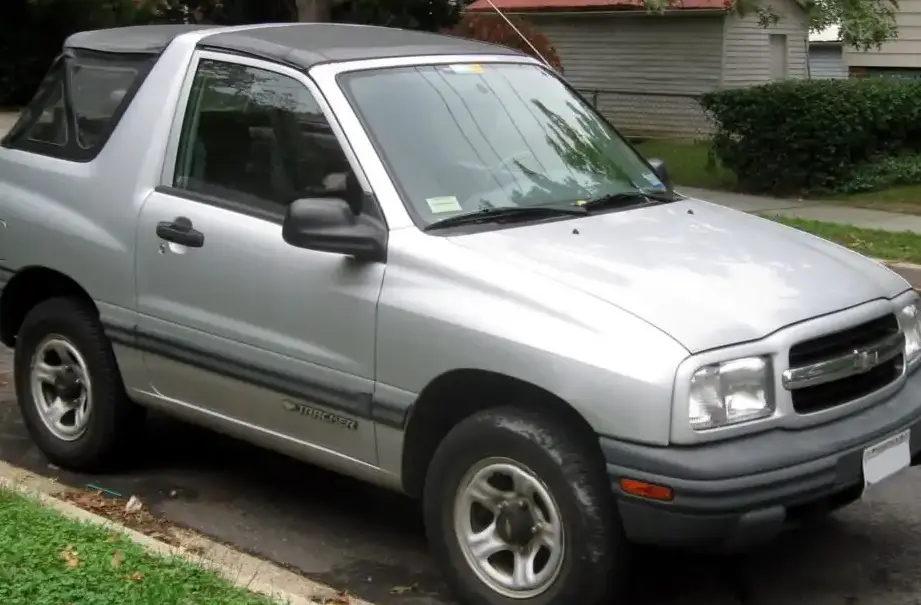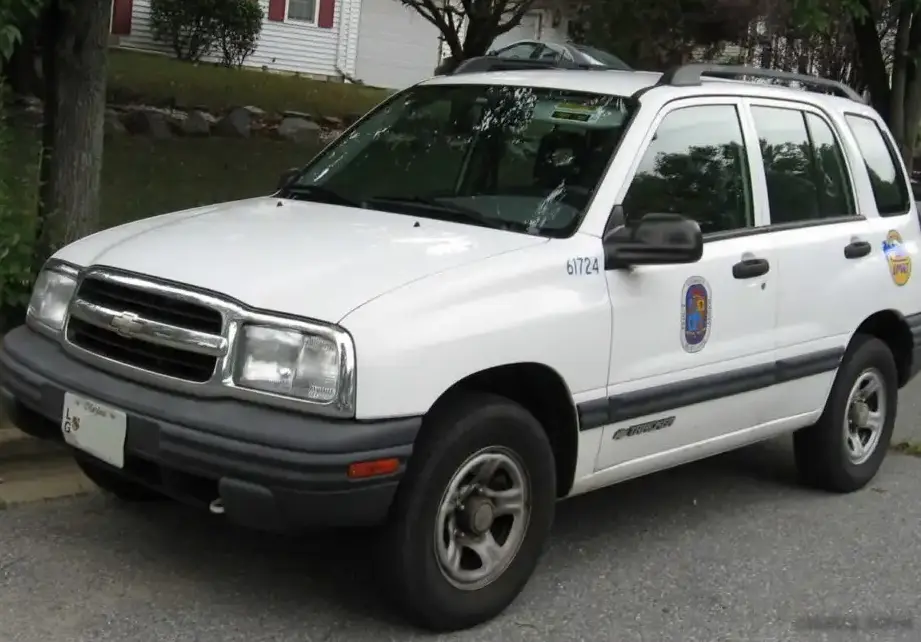
The Chevrolet Tracker II 2.5i V6 4WD Automatic, produced between 2001 and 2004, represented a significant step up in refinement and capability for Chevrolet’s compact SUV offering. Positioned as a mid-range trim within the Tracker II lineup, it catered to buyers seeking a blend of all-weather traction, decent power, and a more comfortable driving experience than the base four-cylinder models. The Tracker II, built on the GM S-10 pickup truck platform, aimed to provide a versatile and affordable SUV option in a market increasingly demanding smaller, more fuel-efficient vehicles. This variant, with its V6 engine and automatic transmission, was primarily sold in North America, offering a compelling alternative to imports like the Honda CR-V and Toyota RAV4.
Technical Specifications
| Brand | Chevrolet |
| Model | Tracker |
| Generation | Tracker II |
| Type (Engine) | 2.5 i V6 4WD (167 Hp) Automatic |
| Start of production | 2001 |
| End of production | 2004 |
| Powertrain Architecture | Internal Combustion engine |
| Body type | SUV |
| Seats | 5 |
| Doors | 5 |
| Fuel consumption (urban) | 13.1 l/100 km (18 US mpg, 21.6 UK mpg) |
| Fuel consumption (extra urban) | 11.8 l/100 km (19.9 US mpg, 23.9 UK mpg) |
| Fuel Type | Petrol (Gasoline) |
| Weight-to-power ratio | 8.4 kg/Hp, 119.7 Hp/tonne |
| Weight-to-torque ratio | 6.3 kg/Nm, 157.7 Nm/tonne |
| Power | 167 Hp @ 6500 rpm |
| Power per litre | 67 Hp/l |
| Torque | 220 Nm @ 4000 rpm (162.26 lb.-ft. @ 4000 rpm) |
| Engine layout | Front, Longitudinal |
| Engine Model/Code | H25A |
| Engine displacement | 2494 cm3 (152.19 cu. in.) |
| Number of cylinders | 6 |
| Engine configuration | V-engine |
| Cylinder Bore | 84 mm (3.31 in.) |
| Piston Stroke | 75 mm (2.95 in.) |
| Compression ratio | 9.5:1 |
| Number of valves per cylinder | 4 |
| Fuel injection system | Multi-port manifold injection |
| Engine aspiration | Naturally aspirated engine |
| Valvetrain | OHC |
| Engine oil capacity | 5.5 l (5.81 US qt | 4.84 UK qt) |
| Coolant | 8 l (8.45 US qt | 7.04 UK qt) |
| Kerb Weight | 1395 kg (3075.45 lbs.) |
| Max. weight | 1870 kg (4122.64 lbs.) |
| Max load | 475 kg (1047.2 lbs.) |
| Trunk (boot) space – minimum | 575 l (20.31 cu. ft.) |
| Trunk (boot) space – maximum | 1265 l (44.67 cu. ft.) |
| Fuel tank capacity | 66 l (17.44 US gal | 14.52 UK gal) |
| Length | 4059 mm (159.8 in.) |
| Width | 1694 mm (66.69 in.) |
| Height | 1689 mm (66.5 in.) |
| Wheelbase | 2479 mm (97.6 in.) |
| Front track | 1460 mm (57.48 in.) |
| Rear (Back) track | 1460 mm (57.48 in.) |
| Drive wheel | All wheel drive (4×4) |
| Number of gears and type of gearbox | 4 gears, automatic transmission |
| Front suspension | Spring Strut |
| Rear suspension | Coil spring |
| Front brakes | Ventilated discs |
| Rear brakes | Drum |
| Assisting systems | ABS (Anti-lock braking system) |
| Steering type | Worm-reduction unit |
| Power steering | Hydraulic Steering |
| Tires size | 215/75 R15 |
| Wheel rims size | 15 |
Powertrain & Engine Architecture
The heart of the Tracker II 2.5i V6 4WD was the GM-sourced H25A engine, a 2.5-liter, 60-degree V6. This engine utilized a cast iron block with aluminum cylinder heads, a configuration common in GM’s mid-size truck and SUV offerings of the era. The H25A featured multi-port fuel injection and a single overhead camshaft (OHC) design per cylinder bank. While not a particularly high-tech engine by modern standards, it was known for its relatively smooth operation and adequate power delivery. The 4L40-E four-speed automatic transmission was the sole transmission option for this variant. This transmission was a workhorse unit, known for its durability but not particularly for its efficiency or responsiveness. The 4L40-E featured electronic control for smoother shifting and adaptive learning capabilities.
Driving Characteristics
The 167 horsepower and 220 Nm (162 lb-ft) of torque provided by the 2.5L V6 and 4L40-E combination offered a noticeable improvement in acceleration and overall drivability compared to the base 2.2L four-cylinder Tracker II. While not a sporty vehicle, the V6 provided sufficient power for highway merging and passing maneuvers. The automatic transmission, however, could feel somewhat sluggish, particularly when downshifting. The 4WD system, typically an on-demand system, engaged automatically when wheel slippage was detected, providing enhanced traction in slippery conditions. The relatively high curb weight of around 1395 kg (3075 lbs) meant that the Tracker II V6 wasn’t particularly fuel-efficient, with combined fuel economy figures around 16 mpg.
Equipment & Trim Levels
The 2.5i V6 4WD Automatic trim generally included features such as air conditioning, power windows and locks, and an upgraded audio system. Interior upholstery was typically cloth, with optional leather available. Other available options included a sunroof, upgraded speakers, and alloy wheels. The dashboard layout was functional but somewhat basic, reflecting the Tracker II’s overall value-oriented positioning. Safety features included ABS brakes, but airbags were limited to the front occupants.
Chassis & Braking
The Tracker II utilized a body-on-frame construction, a traditional truck-based design. Front suspension consisted of independent coil springs and a stabilizer bar, while the rear suspension employed a solid axle with coil springs. Brakes were ventilated discs in the front and drum brakes in the rear. The braking system, while adequate for everyday driving, lacked the stopping power and feel of more modern SUVs. The 4WD system employed a viscous coupling to transfer torque to the rear wheels when needed.
Market Reception & Comparison
The Chevrolet Tracker II 2.5i V6 4WD Automatic was generally well-received by consumers seeking a capable and affordable compact SUV. Critics praised its spacious interior and comfortable ride, but noted its relatively basic interior appointments and lackluster fuel economy. Compared to the base four-cylinder models, the V6 offered a significant performance upgrade, but at a higher price point. Compared to competitors like the Honda CR-V and Toyota RAV4, the Tracker II offered a more rugged, truck-like feel, but lacked the refinement and fuel efficiency of the Japanese imports.
Legacy
The Chevrolet Tracker II, and specifically the 2.5i V6 4WD Automatic variant, has developed a reputation for reasonable reliability, particularly the powertrain. The H25A engine, while not known for exceptional longevity, is generally durable if properly maintained. The 4L40-E transmission is also considered relatively robust. Today, these vehicles are often found as affordable used SUVs, appealing to buyers seeking a practical and capable vehicle for light off-road use or inclement weather. However, potential buyers should be aware of potential issues such as rust, particularly in areas with harsh winters, and the age-related wear and tear common to vehicles of this era.